Complete breed guide
Bearded Collie OWNERSHIP GUIDE
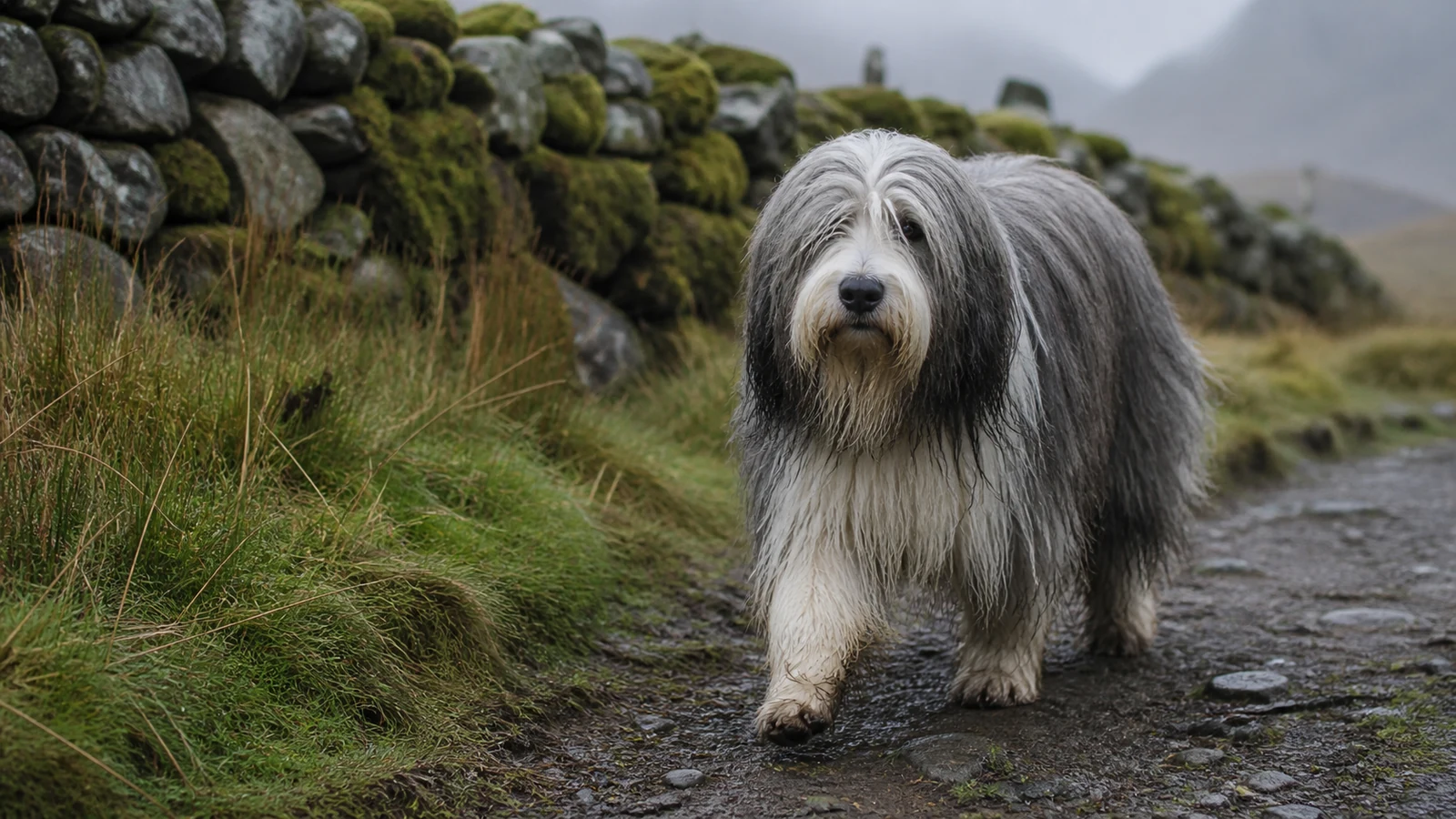
The Bearded Collie, often affectionately called the 'Beardie', is a herding dog from Scotland with a shaggy double coat and an ever-present bounce in its step. Known for their expressive eyebrows and, of course, their beard, these dogs have a long history of working alongside shepherds in the rugged Scottish Highlands. They are not just a pretty face; they are intelligent, energetic, and deeply devoted to their human families, making them a rewarding yet demanding companion for the right owner.
This article aims to provide a balanced and evidence-conscious overview of the Bearded Collie for prospective owners. We will explore their origins, typical temperament, exercise and training requirements, grooming needs, and the financial and time commitments involved. It is important to remember that every dog is an individual, and while breed tendencies exist, they are not guarantees. This guide will help you understand what life with a Beardie might be like, so you can make an informed decision about whether this lively breed fits your lifestyle.
Origin and Purpose: A Scottish Herding Heritage
The Bearded Collie's roots trace back to the Scottish Highlands, where they were developed as a working dog for herding sheep and cattle. Their exact ancestry is uncertain, but they are thought to be related to other British herding breeds, possibly including the Old English Sheepdog and the Border Collie. The breed's name comes from its distinctive facial hair, which forms a beard and eyebrows that give it a unique, expressive appearance.
For centuries, Bearded Collies were valued for their ability to work independently in harsh weather conditions, moving livestock across vast, rugged terrain. They were known for their stamina, intelligence, and a characteristic 'bounce' that allowed them to see over tall grass and rocky outcrops. The breed was officially recognized by the Kennel Club in the UK in the early 20th century, and later by the FCI, which classifies it in Group 1 (Sheepdogs and Cattle Dogs). Today, while many Beardies are beloved family pets, they still retain the instincts and energy of their working ancestors.
Temperament and Variation: The Bouncy, Affectionate Beardie
Bearded Collies are generally known for being lively, affectionate, and playful. They are often described as having a 'clownish' personality, bringing joy and laughter to their households. They tend to form strong bonds with their families and often want to be involved in all activities. This breed is typically not aggressive, but they can be reserved with strangers, though they are not usually shy. Their herding instinct may manifest as a tendency to 'herd' children or other pets, which can be managed with training.
It is crucial to remember that individual temperament varies widely within any breed. A Beardie's personality is shaped by genetics, early socialization, training, and environment. While breed tendencies exist, some individuals may be more energetic, more independent, or more vocal than others. Prospective owners should meet several adult Beardies and speak with breeders or rescue organizations to get a sense of the range of temperaments within the breed. This helps set realistic expectations and ensures a good match between the dog and the owner's lifestyle.
Exercise and Mental Work: Meeting the Beardie's Needs
Bearded Collies are a high-energy breed, originally bred to work all day. They require substantial daily exercise to keep them physically fit and mentally satisfied. This typically includes long walks, vigorous play sessions, and opportunities to run off-leash in a safe, enclosed area. Without adequate exercise, Beardies can become bored and may develop undesirable behaviors such as excessive barking, digging, or chewing. It is important to note that exercise needs can vary based on age, health, and individual temperament.
Mental stimulation is equally important for this intelligent breed. Beardies thrive on activities that challenge their minds, such as puzzle toys, obedience training, agility, herding trials, or nose work. They are quick learners and often excel in dog sports. Engaging their brains helps prevent boredom and strengthens the bond between dog and owner. Prospective owners should be prepared to dedicate time each day to both physical and mental exercise, as a tired Beardie is a happy Beardie.
Training and Socialisation: Building a Well-Rounded Companion
Bearded Collies are intelligent and generally eager to please, which makes them trainable, but they can also have a stubborn streak. Positive reinforcement methods, such as treats, praise, and play, work best. Harsh training techniques can damage their trust and enthusiasm. Early and consistent training is essential to channel their energy and intelligence into good manners. They respond well to short, fun sessions that keep their interest, and they often enjoy learning tricks and participating in canine sports.
Socialisation is crucial for Beardies to develop into confident, well-adjusted adults. Exposing them to a variety of people, animals, environments, and experiences from a young age helps prevent fearfulness or over-excitement. Puppy classes and regular outings can be very beneficial. While Beardies are generally friendly with other dogs, their herding instinct may lead them to chase or nip at moving animals, so teaching a reliable recall and impulse control is important. A well-socialised Beardie is more likely to be a relaxed and adaptable companion in different situations.
Family and Pets: The Beardie in the Home
Bearded Collies can make wonderful family dogs for active households. They are typically affectionate with children and often enjoy being part of family activities. However, their herding instincts may cause them to try to round up small children, which can be startling. Supervision and training are necessary to ensure safe interactions. They are generally good with other dogs, especially if raised with them, but their herding drive may be triggered by smaller pets like cats, though many Beardies live peacefully with cats when introduced properly.
It is important to note that Beardies are not a 'couch potato' breed. They need a home where they can get plenty of exercise and mental stimulation. They are not well-suited to being left alone for long periods, as they thrive on human companionship and can become destructive if bored or lonely. Families with a busy lifestyle may need to arrange for dog walkers or daycare. With the right environment, a Beardie can be a loyal, playful, and loving addition to the family, bringing energy and joy to the household.
Grooming and Health: Maintaining the Beardie's Coat and Wellbeing
The Bearded Collie's long, shaggy double coat is one of its most distinctive features, but it requires significant grooming. Regular brushing, ideally several times a week, is necessary to prevent mats and tangles. Many owners choose to keep the coat clipped shorter for easier maintenance, but this can alter the breed's appearance. The beard and eyebrows need particular attention, as food and debris can accumulate. Grooming sessions also provide an opportunity to check for skin issues, parasites, or other health concerns.
As with all breeds, Bearded Collies are prone to certain health conditions, though not every dog will be affected. Some conditions that have been reported in the breed include hip dysplasia, progressive retinal atrophy (PRA), and autoimmune diseases. Responsible breeders screen their breeding stock for these issues. Prospective owners should ask breeders about health testing and the health history of the parents. Regular veterinary check-ups, a balanced diet, and appropriate exercise contribute to overall health. It is also important to note that Beardies are a relatively healthy breed with a lifespan of around 12 to 14 years, but individual health can vary.
Costs and Responsibility: The Commitment of Owning a Beardie
Owning a Bearded Collie involves significant financial and time commitments. Initial costs include the purchase price from a reputable breeder (which can vary widely) or adoption fees from a rescue. Ongoing expenses include high-quality food, routine veterinary care, vaccinations, flea and tick prevention, grooming supplies, and professional grooming services if needed. Beardies may also require training classes, pet insurance, and boarding or pet-sitting services when you travel. These costs can add up, so it is important to budget accordingly.
Beyond finances, Beardies require a substantial investment of time and energy. They need daily exercise, mental stimulation, grooming, and social interaction. They are not a breed for someone who is away from home frequently or prefers a sedentary lifestyle. Prospective owners should honestly assess their ability to meet these needs for the dog's entire life, which can be 12 years or more. Adopting a dog is a lifelong commitment, and being prepared for the responsibilities involved is essential to ensure a happy and healthy relationship for both the dog and the owner.
Clear answers
FREQUENTLY ASKED QUESTIONS
Are Bearded Collies good with children?
Bearded Collies can be good with children, especially when raised with them and properly socialized. They are typically playful and affectionate, but their herding instinct may lead them to nip at heels. Supervision is recommended, and children should be taught how to interact respectfully with dogs. Every dog is an individual, so temperament can vary.
How much exercise does a Bearded Collie need?
Bearded Collies are a high-energy breed and generally need a substantial amount of daily exercise, including walks, playtime, and off-leash running in a safe area. The exact amount varies by age and individual, but they are not suited to a sedentary lifestyle. Mental stimulation is also important to prevent boredom.
Are Bearded Collies easy to train?
Bearded Collies are intelligent and generally eager to please, making them trainable with positive reinforcement methods. However, they can have a stubborn streak and may get bored with repetitive training. Consistent, fun, and varied training sessions work best. Early socialisation and training are recommended.
Do Bearded Collies shed a lot?
Yes, Bearded Collies shed, and their long double coat requires regular brushing to manage loose hair and prevent mats. They may shed more during seasonal changes. Some owners opt to keep the coat clipped shorter to reduce grooming time, but regular maintenance is still necessary.
Are Bearded Collies suitable for apartment living?
Bearded Collies can adapt to apartment living if their exercise and mental needs are met, but they are active and need space to move. They may be too energetic for very small spaces, and their barking could be an issue. A house with a yard is often more suitable, but with enough exercise, they can live in apartments.
Sources and further reading
Scores describe typical breed tendencies from 1 to 10. They are not a quality ranking or a prediction for an individual dog.
Size and presence6/10
CompactVery large
Physical strength5/10
LightExceptional
Energy level9/10
LowRelentless
Exercise demand10/10
ModestVery demanding
Mental work needed10/10
ModerateDaily job
Trainability8/10
ChallengingExceptional
Everyday manageability3/10
SpecialistStraightforward
First-time owner fit4/10
Poor fitGood fit
Family-life fit8/10
LimitedExcellent
Dog sociability7/10
SelectiveVery social
Prey drive7/10
LowVery high
Guarding tendency7/10
MinimalSerious
Independence7/10
Handler-focusedSelf-directed
Grooming demand8/10
LightHeavy
Apartment fit4/10
Poor fitGood fit