Complete breed guide
Pudelpointer OWNERSHIP GUIDE
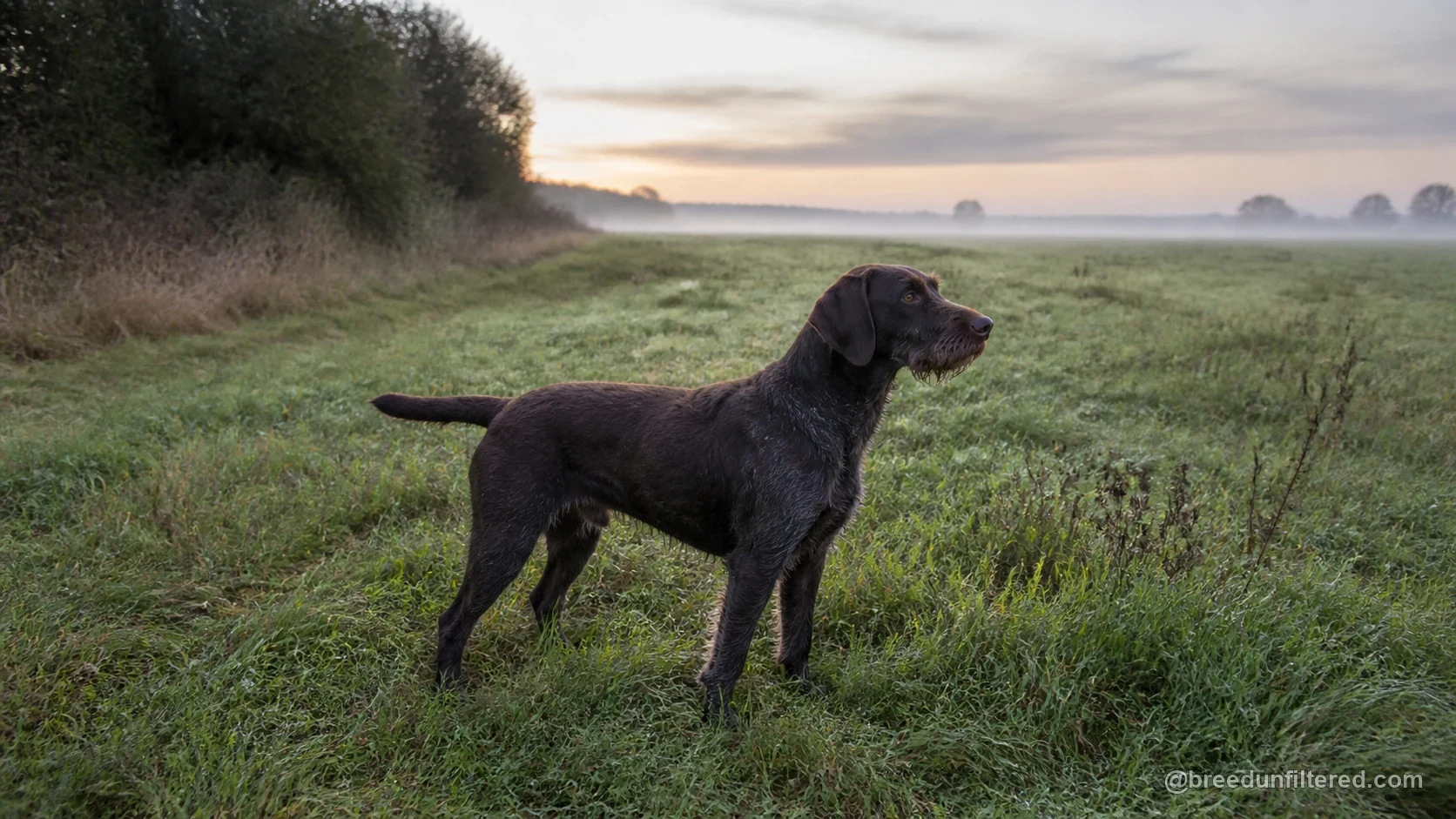
The Pudelpointer is a versatile hunting dog breed that originated in Germany in the late 19th century. Developed by crossing the poodle and the pointer, the breed was designed to combine the poodle's intelligence, trainability, and water-repellent coat with the pointer's keen nose, stamina, and hunting instinct. Today, Pudelpointers are prized by hunters and active families alike for their adaptability, loyalty, and strong work ethic.
While still relatively rare outside of Europe and North America, the Pudelpointer has gained a dedicated following among those who appreciate a dog that can excel in the field and be a loving companion at home. This guide provides an overview of the breed's characteristics, care requirements, and considerations for prospective owners, helping you decide if a Pudelpointer is the right fit for your lifestyle.
Origin and Purpose
The Pudelpointer was developed in Germany in the 1880s by Baron von Zedlitz, who sought to create the ultimate all-around hunting dog. By crossing various poodles with the English Pointer, he aimed to blend the poodle's intelligence, trainability, and soft mouth with the pointer's pointing instinct, speed, and endurance. The result was a dog that could hunt upland game, waterfowl, and even track wounded game with equal proficiency.
Today, the Pudelpointer remains primarily a working dog, used by hunters for its versatility in pointing, retrieving, and tracking. However, its even temperament and affectionate nature have also made it a beloved companion for active individuals and families who can provide ample exercise and mental stimulation. The breed is recognized by the Fédération Cynologique Internationale (FCI) in Group 7, Pointing Dogs, and is gaining recognition in other kennel clubs.
Temperament and Variation
Pudelpointers are known for their steady, intelligent, and sometimes independent temperament. They are typically eager to please their owners, but they also possess a certain level of independence that stems from their hunting heritage. This combination makes them highly trainable yet capable of making decisions on their own when working in the field. They are generally loyal and affectionate with their families, often forming strong bonds with their primary caregiver.
As with any breed, individual temperament can vary. Some Pudelpointers may be more outgoing and sociable, while others may be more reserved with strangers. Early and consistent socialization is essential to ensure they develop into well-rounded adults. They are typically good with children and other dogs when raised together, but their prey drive can be strong, so caution is advised around small non-canine pets.
Exercise and Mental Work
The Pudelpointer is a high-energy breed that requires substantial daily exercise to remain happy and healthy. A vigorous walk or jog, combined with opportunities to run off-leash in a safe area, is typically necessary. They excel in activities such as hiking, swimming, and dog sports like agility or obedience. Without adequate exercise, they may become restless and develop destructive behaviors.
Mental stimulation is equally important for this intelligent breed. Puzzle toys, scent games, and training sessions that challenge their minds can help prevent boredom. Because they were bred to work closely with humans, they thrive on having a job to do, whether it's participating in hunt tests, learning new tricks, or simply accompanying their owner on daily tasks. Prospective owners should be prepared to dedicate time each day to both physical and mental enrichment.
Training and Socialisation
Pudelpointers are generally intelligent and eager to learn, making them responsive to positive reinforcement training methods. They respond best to consistent, patient, and reward-based techniques. Harsh corrections are not recommended, as they can damage the trust between dog and owner. Early training should focus on basic obedience, impulse control, and recall, which is crucial for a breed with a strong hunting instinct.
Socialisation is a critical component of raising a well-adjusted Pudelpointer. Exposing them to a variety of people, animals, environments, and situations from a young age helps them become confident and adaptable. Puppy classes and controlled introductions to other dogs can be beneficial. While they are naturally alert, they are not typically aggressive, but proper socialisation can prevent shyness or overreaction in unfamiliar situations.
Family and Pets
Pudelpointers can make excellent family dogs for active households. They are generally patient and tolerant with children, especially when raised with them, and they enjoy being included in family activities. Their playful nature and stamina make them great playmates for older children who can handle their exuberance. However, as with any breed, interactions between dogs and young children should always be supervised to ensure safety for both.
When it comes to other pets, Pudelpointers may have a high prey drive due to their hunting background. They can coexist with cats and other small animals if raised together from puppyhood, but introductions should be managed carefully. They typically get along well with other dogs, especially those of similar size and energy level. Early socialisation and training can help mitigate potential conflicts.
Grooming and Health
The Pudelpointer has a wiry, water-repellent coat that requires moderate grooming. Regular brushing, about once or twice a week, helps remove loose hair and prevent matting. They are moderate shedders, and some owners choose to have their coats hand-stripped to maintain the proper texture, though clipping is also an option. Bathing should be done as needed, and routine ear cleaning is important to prevent infections, especially for dogs that swim frequently.
As a generally healthy breed, Pudelpointers have a lifespan of around 12 to 14 years. However, like all breeds, they may be prone to certain health conditions, including hip dysplasia and eye disorders. Responsible breeders screen their breeding stock for these issues. Prospective owners should ask for health clearances and be prepared for routine veterinary care, including vaccinations, parasite prevention, and dental care.
Costs and Responsibility
Owning a Pudelpointer involves significant financial and time commitments. The initial cost of a puppy from a reputable breeder can be substantial, and ongoing expenses include high-quality food, routine veterinary care, grooming supplies, and training classes. Additionally, because this is a high-energy working breed, owners must be prepared to invest considerable time in daily exercise and mental stimulation, which can be a challenge for those with busy schedules.
Responsible ownership also means providing proper training, socialisation, and a safe environment. Pudelpointers are not well-suited to apartment living unless their exercise needs are fully met, and they thrive in homes with access to a securely fenced yard. Prospective owners should research the breed thoroughly, consider their lifestyle, and be prepared for a long-term commitment of 12 years or more. Adopting from a rescue or breed-specific organization is also an option to consider.
Clear answers
FREQUENTLY ASKED QUESTIONS
Are Pudelpointers good family dogs?
Pudelpointers can be excellent family dogs for active households. They are typically loyal, affectionate, and patient with children, especially when raised with them. However, they have high energy levels and need plenty of exercise, so they are best suited to families that can provide daily physical activity and mental stimulation. Supervision with young children is always recommended.
How much exercise does a Pudelpointer need?
Pudelpointers are a high-energy breed and generally require at least one to two hours of vigorous exercise each day. This can include brisk walks, runs, off-leash play in a secure area, swimming, or participation in dog sports. Without sufficient exercise, they may become bored and develop destructive behaviors. Mental stimulation is also important to keep them content.
Are Pudelpointers easy to train?
Pudelpointers are intelligent and eager to please, which makes them generally responsive to training. They do best with positive reinforcement methods, such as treats and praise, and they thrive on consistency and patience. Early socialisation and obedience training are essential to channel their energy and intelligence appropriately. They can be independent at times, so firm but gentle guidance is key.
Do Pudelpointers shed a lot?
Pudelpointers have a wiry, water-repellent coat that sheds moderately. Regular brushing, about once or twice a week, helps manage loose hair and keep the coat in good condition. Some owners opt for professional grooming, including hand-stripping, to maintain the coat's texture. They are not considered hypoallergenic, but their shedding is manageable with routine care.
Are Pudelpointers good with other pets?
Pudelpointers can get along with other dogs, especially if socialised from a young age. However, due to their strong prey drive, they may not be reliable with small pets like cats, rabbits, or birds unless raised with them. Early and consistent socialisation can help, but supervision is always advised when introducing them to non-canine animals.
Sources and further reading
Scores describe typical breed tendencies from 1 to 10. They are not a quality ranking or a prediction for an individual dog.
Size and presence6/10
CompactVery large
Physical strength5/10
LightExceptional
Energy level9/10
LowRelentless
Exercise demand10/10
ModestVery demanding
Mental work needed8/10
ModerateDaily job
Trainability9/10
ChallengingExceptional
Everyday manageability4/10
SpecialistStraightforward
First-time owner fit5/10
Poor fitGood fit
Family-life fit8/10
LimitedExcellent
Dog sociability8/10
SelectiveVery social
Prey drive10/10
LowVery high
Guarding tendency3/10
MinimalSerious
Independence4/10
Handler-focusedSelf-directed
Grooming demand6/10
LightHeavy
Apartment fit5/10
Poor fitGood fit