Complete breed guide
Welsh Springer Spaniel OWNERSHIP GUIDE
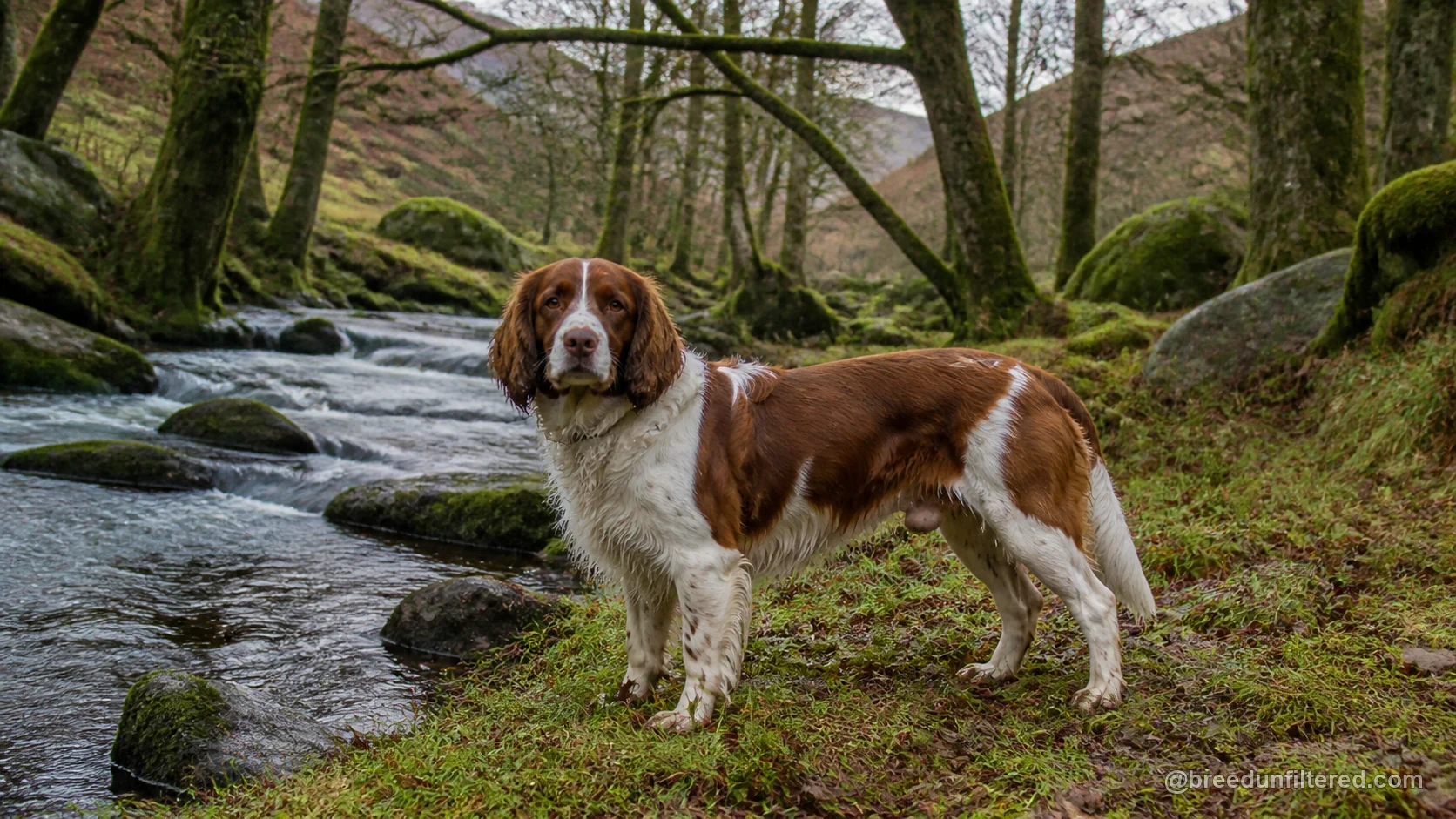
The Welsh Springer Spaniel is a distinct and ancient gundog breed, recognized for its rich red and white coat and its enthusiastic, hardworking nature. Originating in Wales, this spaniel has been a loyal companion and skilled hunting partner for centuries, valued for its ability to flush and retrieve game. While sharing ancestry with other spaniels, the Welsh Springer has its own unique character, blending a strong work ethic with a devoted and affectionate disposition toward its family.
For prospective owners, understanding the Welsh Springer Spaniel's needs is essential. This breed thrives on human companionship and purposeful activity, and it is not suited to a sedentary lifestyle. With proper care, training, and socialization, the Welsh Springer can be a wonderful addition to an active household. This article provides a balanced overview of the breed's origins, temperament, exercise requirements, training, family compatibility, grooming, health, and the responsibilities of ownership, helping you decide if this is the right dog for you.
Origin and Purpose
The Welsh Springer Spaniel, known in Welsh as the 'Springer Cymreig', is one of the oldest spaniel breeds, with a history that may trace back to the early days of hunting in Wales. The breed was developed to work in dense cover and rugged terrain, flushing game birds for hunters. Its name 'springer' refers to its method of springing game into the air, a skill that remains central to its purpose today. The breed was recognized by the Kennel Club in the early 20th century, and the FCI standard (number 126) places it in Group 8, Retrievers, Flushing Dogs, and Water Dogs.
Historically, the Welsh Springer was prized for its endurance and versatility, able to work in both upland and wetland environments. While its primary role has always been as a working gundog, the breed has also become a beloved companion. The modern Welsh Springer retains its strong hunting instincts and physical capabilities, but it also shows a gentle and loyal side at home. Understanding this dual nature is key to appreciating the breed's needs and behaviors.
Temperament and Variation
Welsh Springer Spaniels are typically described as cheerful, affectionate, and eager to please. They form strong bonds with their families and often want to be involved in all household activities. While they are generally friendly, they can be reserved with strangers, a trait that makes them good watchdogs without being aggressive. Individual temperament can vary, influenced by genetics, socialization, and training, so it is important to meet the parents of a puppy and observe their behavior.
As a sporting breed, Welsh Springers are energetic and enthusiastic, with a natural drive to work and explore. They are not typically independent or aloof; instead, they thrive on human interaction and can become unhappy if left alone for long periods. This breed is known for its 'soft' nature, responding best to gentle, consistent guidance rather than harsh correction. Prospective owners should be prepared for a dog that is both a devoted companion and a spirited worker, requiring a balance of activity and affection.
Exercise and Mental Work
The Welsh Springer Spaniel is a high-energy breed that requires substantial daily exercise to maintain physical and mental well-being. As a gundog, it has been bred for endurance and agility, so activities like long walks, jogging, hiking, and off-leash running in safe areas are beneficial. However, exercise needs can vary by age and individual health, so it is essential to tailor activity levels to the dog's condition and consult a veterinarian for specific guidance.
Mental stimulation is equally important for this intelligent breed. Without adequate mental challenges, Welsh Springers may develop undesirable behaviors such as excessive barking or digging. Engaging them in nose work, obedience training, puzzle toys, and interactive games can help satisfy their need to use their brains. For those interested in dog sports, the Welsh Springer can excel in agility, rally, and field trials, providing both physical and mental outlets that strengthen the bond between dog and owner.
Training and Socialisation
Training a Welsh Springer Spaniel is generally a rewarding experience due to their intelligence and eagerness to please. They respond well to positive reinforcement methods, such as treats, praise, and play, and they are sensitive to harsh corrections, which can damage their trust. Early socialization is crucial to help them become well-adjusted adults, exposing them to a variety of people, animals, environments, and sounds in a controlled and positive manner.
Consistency and patience are key when training this breed. While they are quick learners, they can also be easily distracted by scents and sights, especially in outdoor settings. Teaching a reliable recall is essential, as their hunting instincts may lead them to chase after game. Structured training sessions, combined with everyday obedience, will help channel their energy productively. For first-time owners, enrolling in puppy classes or working with a professional trainer can provide valuable guidance.
Family and Other Pets
Welsh Springer Spaniels are known for their affectionate nature and can make excellent family dogs, especially in active households. They are generally good with children, often forming strong bonds and enjoying playtime. However, as with any breed, interactions should always be supervised, and children should be taught how to respectfully handle a dog. The breed's gentle disposition means they may not tolerate rough handling, so early education for both dog and children is important.
Regarding other pets, Welsh Springers typically get along well with other dogs, especially if raised together. Their hunting instincts, however, may lead them to chase small animals such as cats, rabbits, or birds, so introductions should be gradual and supervised. With proper socialization, many Welsh Springers can live peacefully with cats, but it is not guaranteed. Prospective owners with small pets should be prepared to manage the dog's prey drive and provide secure environments.
Grooming and Health
The Welsh Springer Spaniel has a medium-length, silky coat that is typically straight and flat, with feathering on the ears, chest, legs, and tail. They are moderate shedders and require regular brushing, about two to three times a week, to prevent mats and tangles. During shedding seasons, more frequent brushing may be needed. Bathing should be done as needed, and regular ear cleaning is essential to prevent infections, as their floppy ears can trap moisture and debris.
Like all breeds, Welsh Springers are prone to certain health conditions, though not every dog will be affected. Some conditions that have been reported include hip dysplasia, eye disorders such as progressive retinal atrophy, and ear infections. Responsible breeders screen their breeding stock for these issues. Regular veterinary check-ups, a balanced diet, and appropriate exercise contribute to overall health. Prospective owners should be prepared for potential health care costs and should seek a reputable breeder who prioritizes health testing.
Costs and Responsibility
Owning a Welsh Springer Spaniel involves significant financial and time commitments. Initial costs include the purchase price from a reputable breeder, which can vary, as well as supplies such as a crate, bedding, food, and grooming tools. Ongoing expenses include high-quality dog food, routine veterinary care, vaccinations, parasite prevention, and pet insurance. Emergency medical care can be costly, so planning for unexpected expenses is wise.
Beyond finances, this breed requires a substantial investment of time and energy. Welsh Springers need daily exercise, mental stimulation, and companionship, and they do not do well when left alone for long periods. They are best suited to active individuals or families who can provide a structured routine and plenty of interaction. Prospective owners should honestly assess their lifestyle and living situation to ensure they can meet the breed's needs, as a Welsh Springer is a long-term commitment of 12 to 15 years.
Clear answers
FREQUENTLY ASKED QUESTIONS
Are Welsh Springer Spaniels good with children?
Welsh Springer Spaniels are generally good with children, especially when raised together. They are affectionate and playful, but they can be sensitive to rough handling. Supervision and teaching children how to interact respectfully with the dog are important to ensure positive experiences for both.
How much exercise does a Welsh Springer Spaniel need?
Welsh Springer Spaniels are high-energy dogs that need substantial daily exercise, including long walks, runs, or play sessions. The exact amount varies by age and health, but they typically require at least an hour or more of activity each day. Mental stimulation is also essential to prevent boredom.
Do Welsh Springer Spaniels shed a lot?
Welsh Springer Spaniels are moderate shedders. They have a medium-length coat that requires regular brushing, about two to three times a week, to remove loose hair and prevent mats. Shedding may increase seasonally, so more frequent brushing may be needed during those times.
Are Welsh Springer Spaniels easy to train?
Welsh Springer Spaniels are intelligent and eager to please, making them generally responsive to positive reinforcement training. They can be distracted by scents, so consistent, patient training with rewards works best. Early socialization and puppy classes are recommended to build a well-behaved adult.
Do Welsh Springer Spaniels get along with other pets?
Welsh Springer Spaniels usually get along well with other dogs, especially if socialized early. However, their hunting instincts may lead them to chase small animals like cats or rabbits. With careful introductions and supervision, some can live peacefully with cats, but it is not guaranteed.
Sources and further reading
Scores describe typical breed tendencies from 1 to 10. They are not a quality ranking or a prediction for an individual dog.
Size and presence6/10
CompactVery large
Physical strength6/10
LightExceptional
Energy level9/10
LowRelentless
Exercise demand10/10
ModestVery demanding
Mental work needed8/10
ModerateDaily job
Trainability9/10
ChallengingExceptional
Everyday manageability6/10
SpecialistStraightforward
First-time owner fit6/10
Poor fitGood fit
Family-life fit9/10
LimitedExcellent
Dog sociability8/10
SelectiveVery social
Prey drive7/10
LowVery high
Guarding tendency3/10
MinimalSerious
Independence4/10
Handler-focusedSelf-directed
Grooming demand7/10
LightHeavy
Apartment fit5/10
Poor fitGood fit