Complete breed guide
Thai Bangkaew Dog OWNERSHIP GUIDE
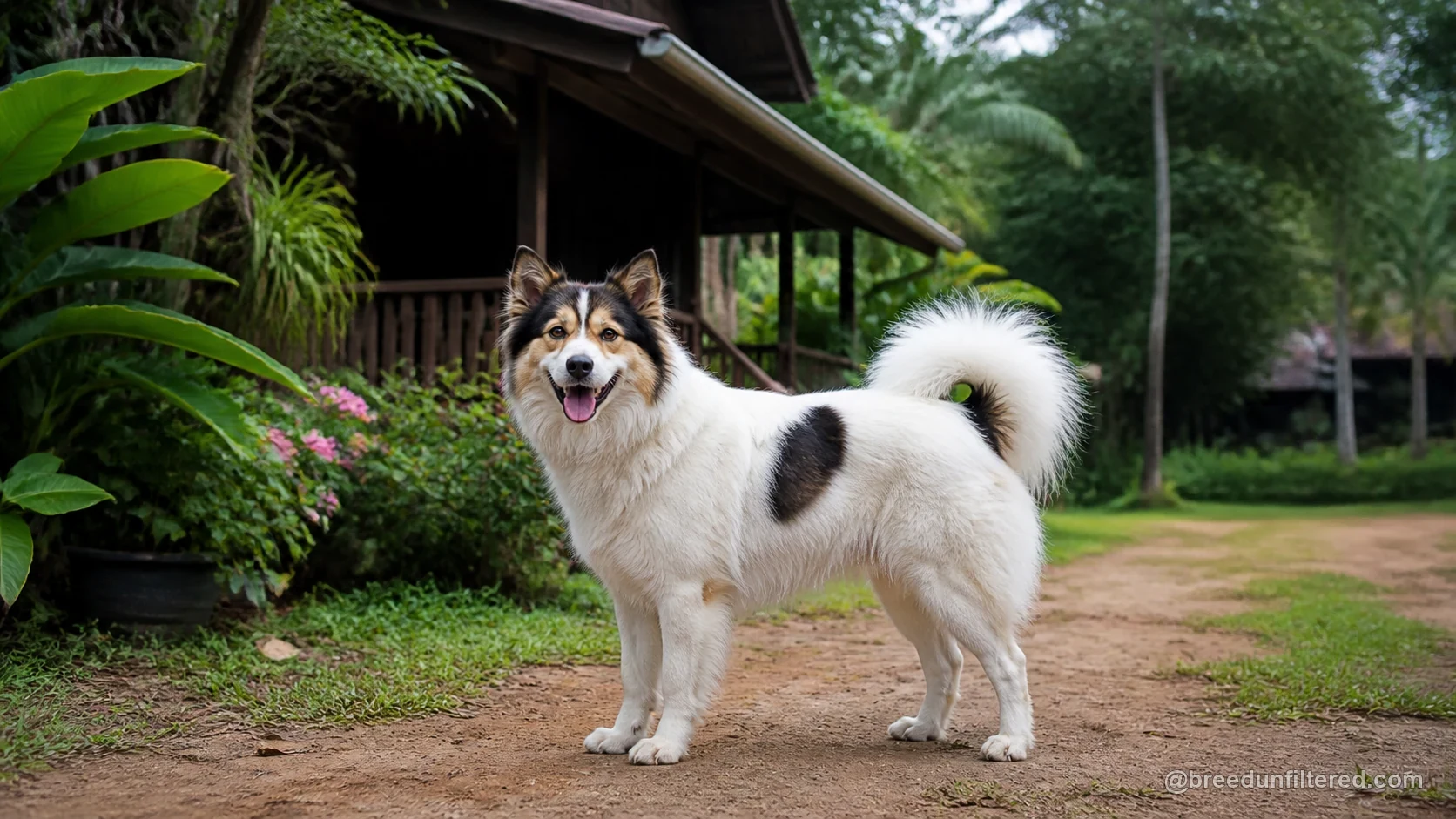
The Thai Bangkaew Dog is a striking Spitz-type breed from Thailand, known for its distinctive coat and loyal nature. Originally a village dog from the Bangkaew area, this breed has a rich history intertwined with Thai culture. Prospective owners should understand that this is a working dog with strong guarding instincts and a need for purposeful activity.
This guide provides an evidence-conscious overview of the Thai Bangkaew Dog, drawing from the official FCI standard and reputable sources. We aim to help you decide if this breed fits your lifestyle, covering everything from exercise and training to health and costs. Remember, every dog is an individual, and early socialisation and consistent training are key.
Origin and Purpose
The Thai Bangkaew Dog originates from the Bangkaew area in Phitsanulok Province, Thailand. Historically, these dogs were kept by villagers as guardians and companions, often living in close proximity to Buddhist temples. The breed is believed to have developed from a mix of local dogs and possibly an Asian jackal, though the exact ancestry is not documented. The FCI recognizes the breed in Group 5 (Spitz and primitive types) under standard number 358.
Their original purpose was to protect property and alert owners to intruders. This heritage has shaped a breed that is alert, territorial, and devoted to its family. While they are not widely known outside Thailand, they have gained a following among enthusiasts who appreciate their intelligence and striking appearance. Understanding their background helps prospective owners anticipate their needs for space, mental stimulation, and a clear role in the household.
Temperament and Variation
The Thai Bangkaew Dog is typically described as loyal, protective, and intelligent. They often form strong bonds with their family and can be wary of strangers, making them excellent watchdogs. However, individual temperaments vary, and early socialisation is crucial to help them distinguish between normal and threatening situations. The FCI standard notes that they are 'very attached to their master' and 'reserved with strangers.'
Like many Spitz breeds, they can be independent and strong-willed. They are not typically aggressive without reason, but their guarding instincts mean they may bark to alert. Prospective owners should be prepared for a dog that is alert and responsive, yet may require patient, consistent handling. It's important to meet the parents or littermates if possible to gauge temperament, as breeding and environment play significant roles.
Exercise and Mental Work
The Thai Bangkaew Dog is an active breed that needs regular physical exercise to stay healthy and content. They are not suited to a sedentary lifestyle. Daily walks, play sessions, and opportunities to run in a securely fenced area are typically recommended. However, exact exercise requirements vary with age, health, and individual energy levels, so it's best to consult with a veterinarian or breeder.
Mental stimulation is equally important. These intelligent dogs benefit from puzzle toys, obedience training, and activities that engage their problem-solving skills. Without adequate mental and physical outlets, they may develop undesirable behaviours such as excessive barking or digging. Prospective owners should be ready to invest time in providing both physical and mental challenges to keep their Bangkaew well-balanced.
Training and Socialisation
Training a Thai Bangkaew Dog requires patience, consistency, and positive reinforcement methods. They respond well to reward-based training, but their independent nature can make them seem stubborn at times. Early socialisation is essential to help them become well-adjusted adults. Exposing them to various people, animals, and environments during puppyhood can reduce the likelihood of fearfulness or over-protectiveness.
Owners should establish clear leadership without using harsh methods, as this breed may react negatively to force. Professional training classes can be beneficial, especially for first-time owners. It's also important to note that their guarding instincts may need to be managed through training to prevent over-reactivity. With the right approach, they can be obedient and reliable companions.
Family and Other Pets
The Thai Bangkaew Dog can be a devoted family member, often forming strong bonds with children in the household. However, due to their protective nature, supervision is recommended when they are around young children, especially if the dog is not familiar with them. They may be tolerant of respectful children but can be wary of boisterous play. Teaching children how to interact safely with dogs is crucial.
When it comes to other pets, early socialisation is key. They may have a high prey drive, which could make them unsuitable for homes with small animals like rabbits or rodents. With proper introduction, they can coexist with other dogs, but same-sex aggression can occur, particularly between males. Prospective owners should consider their existing pets and be prepared to manage introductions carefully.
Grooming and Health
The Thai Bangkaew Dog has a double coat that sheds seasonally. Regular brushing, at least a few times a week, helps manage loose hair and keeps the coat healthy. During shedding seasons, daily brushing may be necessary. They are generally clean dogs and do not require frequent baths, but routine nail trimming, ear cleaning, and dental care are important for overall health.
As a breed, they are generally considered hardy, but like all dogs, they can be prone to certain health conditions. Hip dysplasia and eye issues have been reported in some lines, but there is limited breed-specific health data. Responsible breeders should screen for common conditions. Prospective owners should ask about health clearances and the longevity of the parents. Regular veterinary check-ups are essential to catch any issues early.
Costs and Responsibility
Owning a Thai Bangkaew Dog involves financial and time commitments. Initial costs include purchasing from a reputable breeder, which can be significant, plus supplies like a crate, bed, and food. Ongoing expenses include high-quality dog food, routine veterinary care, vaccinations, and preventative medications. Emergency medical costs can be substantial, so pet insurance is worth considering.
Beyond finances, this breed requires a dedicated owner who can provide ample exercise, mental stimulation, and training. They are not ideal for apartment living unless the owner is very active and committed to meeting their needs. Prospective owners should also consider the long-term responsibility, as these dogs can live 10-12 years or more. It's essential to ensure that your lifestyle can accommodate a dog with strong guarding instincts and a need for activity.
Clear answers
FREQUENTLY ASKED QUESTIONS
Are Thai Bangkaew Dogs good with children?
They can be good with children if properly socialised and raised together. However, due to their protective nature, supervision is recommended, especially with younger children. Teach children to respect the dog's space and avoid rough play. Early and ongoing socialisation with kids can help the dog become a reliable family companion.
Do Thai Bangkaew Dogs require a lot of exercise?
Yes, they are an active breed that needs daily physical activity and mental stimulation. This can include walks, playtime, and training sessions. Without enough exercise, they may become bored and develop behavioural issues. The exact amount varies by individual, so consult with a vet or breeder for tailored advice.
Are Thai Bangkaew Dogs easy to train?
They are intelligent but can be independent and stubborn. Training requires patience and consistency, using positive reinforcement methods. Early socialisation and obedience classes are highly recommended. They respond best to firm, fair leadership without harsh corrections. With effort, they can learn many commands and tasks.
Do Thai Bangkaew Dogs shed a lot?
Yes, they have a thick double coat that sheds seasonally, often heavily. Regular brushing, especially during shedding periods, helps manage loose hair. They are not considered hypoallergenic. If you have allergies, spend time with the breed before committing to see how you react.
Are Thai Bangkaew Dogs suitable for first-time owners?
They can be challenging for first-time owners due to their strong-willed nature and guarding instincts. They need an experienced handler who can provide consistent training and socialisation. If you are a beginner, consider working with a professional trainer or choosing a more forgiving breed.
Sources and further reading
Scores describe typical breed tendencies from 1 to 10. They are not a quality ranking or a prediction for an individual dog.
Size and presence5/10
CompactVery large
Physical strength5/10
LightExceptional
Energy level8/10
LowRelentless
Exercise demand8/10
ModestVery demanding
Mental work needed8/10
ModerateDaily job
Trainability4/10
ChallengingExceptional
Everyday manageability2/10
SpecialistStraightforward
First-time owner fit5/10
Poor fitGood fit
Family-life fit6/10
LimitedExcellent
Dog sociability3/10
SelectiveVery social
Prey drive10/10
LowVery high
Guarding tendency6/10
MinimalSerious
Independence10/10
Handler-focusedSelf-directed
Grooming demand10/10
LightHeavy
Apartment fit2/10
Poor fitGood fit