Complete breed guide
Deerhound OWNERSHIP GUIDE
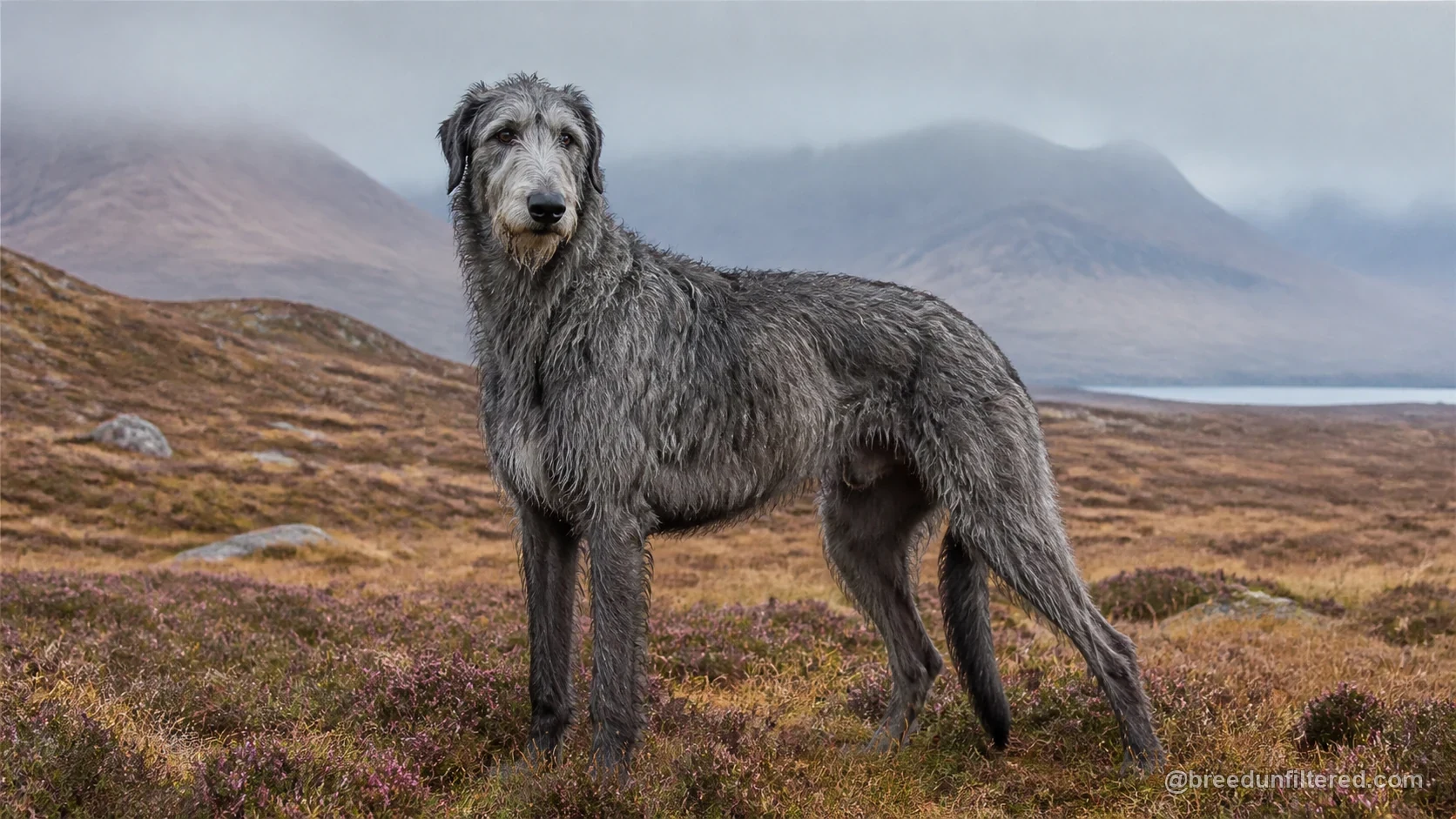
The Deerhound, also known as the Scottish Deerhound, is a majestic sighthound bred for centuries to pursue red deer in the rugged Scottish Highlands. With its tall, graceful frame and wiry coat, it embodies both power and elegance. Despite its hunting heritage, the Deerhound is often described as gentle and dignified, earning it the nickname 'the royal dog of Scotland.' Prospective owners should understand that this breed is a unique combination of athleticism and calmness, requiring ample space and a lifestyle that accommodates its needs.
This article provides an in-depth look at the Deerhound, covering its origins, temperament, exercise and training requirements, suitability for families, grooming and health considerations, and the financial and time commitments involved. Whether you are considering adding a Deerhound to your home or simply wish to learn more, this guide offers practical insights to help you make an informed decision. Remember that every dog is an individual, and while breed tendencies are useful, they do not guarantee the behavior of any particular animal.
Origin and Purpose
The Deerhound's history is deeply intertwined with Scottish nobility. For centuries, these dogs were bred to hunt red deer, a task requiring speed, endurance, and the ability to bring down a large animal. Their large size and powerful build were essential for this demanding work. The breed's lineage is ancient, with references to similar dogs in Scottish history dating back to the 16th century or earlier. They were highly valued and often restricted to the aristocracy, with ownership sometimes limited to those of high rank.
As deer hunting declined in popularity, the Deerhound's numbers dwindled, and the breed faced near extinction in the 19th century. Dedicated enthusiasts, including Queen Victoria, helped revive it. Today, the Deerhound is recognized by the Fédération Cynologique Internationale (FCI) in Group 10, Section 2 (Rough-haired Sighthounds). While no longer used for hunting in most places, the breed retains its sighthound instincts and is primarily a companion and show dog, though some still participate in lure coursing and other canine sports.
Temperament and Variation
Deerhounds are often described as gentle, dignified, and even-tempered. They are known for their calm demeanor indoors, often lounging quietly, but they can be exuberant and swift when outdoors. They are typically affectionate with their families and can be sensitive, responding best to kind and patient handling. While they are not typically aggressive, they may be reserved with strangers, and their size alone can be intimidating. As with any breed, individual temperament varies, and early socialization plays a crucial role in shaping a well-adjusted adult.
There is some variation within the breed in terms of energy levels and sociability. Some Deerhounds may be more outgoing, while others are more aloof. They are generally not known for being overly protective, but they may alert their owners to unusual occurrences. Their sighthound nature means they have a strong prey drive, which can influence their behavior around small animals. Prospective owners should be prepared for a dog that is both a calm companion and a potential chaser, requiring careful management in off-leash situations.
Exercise and Mental Work
Deerhounds are a large, athletic breed that requires regular exercise to maintain physical and mental well-being. They are sprinters rather than endurance runners, so they benefit from opportunities to run freely in a safe, enclosed area. Daily walks are essential, but they also need occasional chances to stretch their legs at full speed. Without adequate exercise, they may become restless or develop behavioral issues. However, their exercise needs are not extreme; they are often content with a moderate amount of activity interspersed with rest.
Mental stimulation is equally important for this intelligent breed. Puzzle toys, nose work, and training sessions that challenge their minds can help prevent boredom. Activities like lure coursing or tracking can tap into their natural instincts and provide both physical and mental fulfillment. It is important to note that Deerhounds are not typically high-energy dogs in the way that some working breeds are; they are more likely to enjoy a good run followed by a long nap. Owners should tailor exercise to their individual dog's age, health, and preferences.
Training and Socialisation
Training a Deerhound requires patience and a gentle approach. They are intelligent but can be independent and somewhat stubborn, so harsh methods are counterproductive. Positive reinforcement techniques, such as treats and praise, work best. Early socialization is crucial to help them become well-mannered adults. Exposing them to a variety of people, places, and situations, especially during puppyhood, can reduce shyness or fearfulness. They are generally eager to please but may have a short attention span, so training sessions should be kept interesting and brief.
Because of their sighthound heritage, Deerhounds have a strong instinct to chase moving objects. Reliable recall is essential, but it can be challenging to achieve. Many owners use long lines or fenced areas to ensure safety. Off-leash training should be approached with caution, as even well-trained Deerhounds may ignore commands when their prey drive is triggered. Consistency and positive reinforcement can help, but it is wise to manage their environment to prevent accidents. They are not typically recommended for first-time dog owners due to their size and training needs.
Family and Other Pets
Deerhounds can make wonderful family companions, especially in homes with older children who understand how to interact respectfully with dogs. They are generally gentle and tolerant, but their large size means they can accidentally knock over small children or fragile items. Supervision is recommended when they are around toddlers. They are often affectionate and enjoy being part of family activities, but they also appreciate having a quiet spot to retreat to. Their calm nature makes them suitable for a variety of living situations, provided they have enough space to stretch out.
When it comes to other pets, Deerhounds have a strong prey drive, which can be problematic with small animals such as cats, rabbits, or small dogs. Some Deerhounds may live peacefully with cats if raised together, but this is not guaranteed. They are generally sociable with other dogs, especially those of similar size, and may enjoy the company of a canine companion. However, introductions should be managed carefully, and supervision is key, especially with unfamiliar animals. Prospective owners should assess their household and lifestyle to ensure a good match.
Grooming and Health
The Deerhound's coat is rough and wiry, providing protection from the elements. Grooming needs are moderate: weekly brushing helps remove loose hair and prevent mats, and occasional hand-stripping or clipping may be needed to maintain the coat's texture. They are not heavy shedders, but they do shed seasonally. Regular nail trimming, ear cleaning, and dental care are also part of routine maintenance. Bathing should be done as needed, using a mild dog shampoo to avoid drying their skin.
Like many large breeds, Deerhounds are prone to certain health conditions, including bloat (gastric dilatation-volvulus), which is a medical emergency. They may also be susceptible to heart issues, bone cancer, and hip dysplasia. Responsible breeders screen for these conditions, but owners should be aware of the potential risks. Regular veterinary check-ups, a balanced diet, and appropriate exercise can help maintain health. It is important to note that Deerhounds have a relatively short lifespan, typically 8 to 11 years, which is something prospective owners should consider.
Costs and Responsibility
Owning a Deerhound is a significant financial commitment. Initial costs include the purchase price from a reputable breeder, which can be substantial, as well as supplies such as a crate, bedding, and grooming tools. Ongoing expenses include high-quality food, routine veterinary care, vaccinations, and preventive medications. Because of their size, Deerhounds may require larger doses of medications and more food than smaller breeds, increasing costs. Pet insurance is often recommended to help manage unexpected medical bills, especially for conditions like bloat or cancer.
Beyond finances, owning a Deerhound requires a considerable time commitment. They need daily exercise, mental stimulation, and social interaction. They are not suited to being left alone for long periods, as they may become bored or anxious. Their size and strength mean they need a securely fenced yard and careful handling on walks. Prospective owners should also consider the emotional responsibility of caring for a breed with a shorter lifespan. It is essential to research breeders, rescue organizations, and the breed thoroughly to ensure a good fit for both the dog and the family.
Clear answers
FREQUENTLY ASKED QUESTIONS
Are Deerhounds good with children?
Deerhounds can be good with children, especially when raised with them and properly socialized. They are generally gentle and patient, but their large size can be a hazard for very young children, as they may accidentally knock them over. Supervision is recommended, and children should be taught how to interact respectfully with dogs. As with any breed, individual temperament varies, so it's important to assess each dog's behavior.
How much exercise does a Deerhound need?
Deerhounds need regular exercise, including daily walks and opportunities to run in a safe, enclosed area. They are sprinters, so they enjoy short bursts of speed rather than long-distance running. A typical adult Deerhound may need about 1 to 2 hours of exercise per day, but this can vary based on age and health. Mental stimulation is also important to prevent boredom.
Are Deerhounds easy to train?
Deerhounds are intelligent but can be independent and somewhat stubborn, making training a challenge for novice owners. They respond best to positive reinforcement methods, such as treats and praise, and do poorly with harsh corrections. Early socialization and consistent, patient training are essential. Their sighthound instincts can make recall difficult, so training should include reliable recall exercises.
Do Deerhounds get along with other pets?
Deerhounds have a strong prey drive, so they may not be safe with small animals like cats, rabbits, or small dogs. Some may live peacefully with cats if raised together, but this is not guaranteed. They are generally sociable with other dogs, especially those of similar size. Introductions should be gradual and supervised, and it's important to consider the individual dog's temperament.
What are common health issues in Deerhounds?
Deerhounds are prone to certain health conditions, including bloat (gastric dilatation-volvulus), which is a life-threatening emergency. They may also be at risk for heart issues, bone cancer (osteosarcoma), and hip dysplasia. Responsible breeders screen for these conditions, but owners should be aware of the signs and seek prompt veterinary care. Regular check-ups and a healthy lifestyle can help mitigate some risks.
Sources and further reading
Scores describe typical breed tendencies from 1 to 10. They are not a quality ranking or a prediction for an individual dog.
Size and presence6/10
CompactVery large
Physical strength7/10
LightExceptional
Energy level9/10
LowRelentless
Exercise demand9/10
ModestVery demanding
Mental work needed6/10
ModerateDaily job
Trainability6/10
ChallengingExceptional
Everyday manageability3/10
SpecialistStraightforward
First-time owner fit4/10
Poor fitGood fit
Family-life fit6/10
LimitedExcellent
Dog sociability8/10
SelectiveVery social
Prey drive10/10
LowVery high
Guarding tendency2/10
MinimalSerious
Independence8/10
Handler-focusedSelf-directed
Grooming demand3/10
LightHeavy
Apartment fit5/10
Poor fitGood fit