Complete breed guide
Staffordshire Bull Terrier OWNERSHIP GUIDE
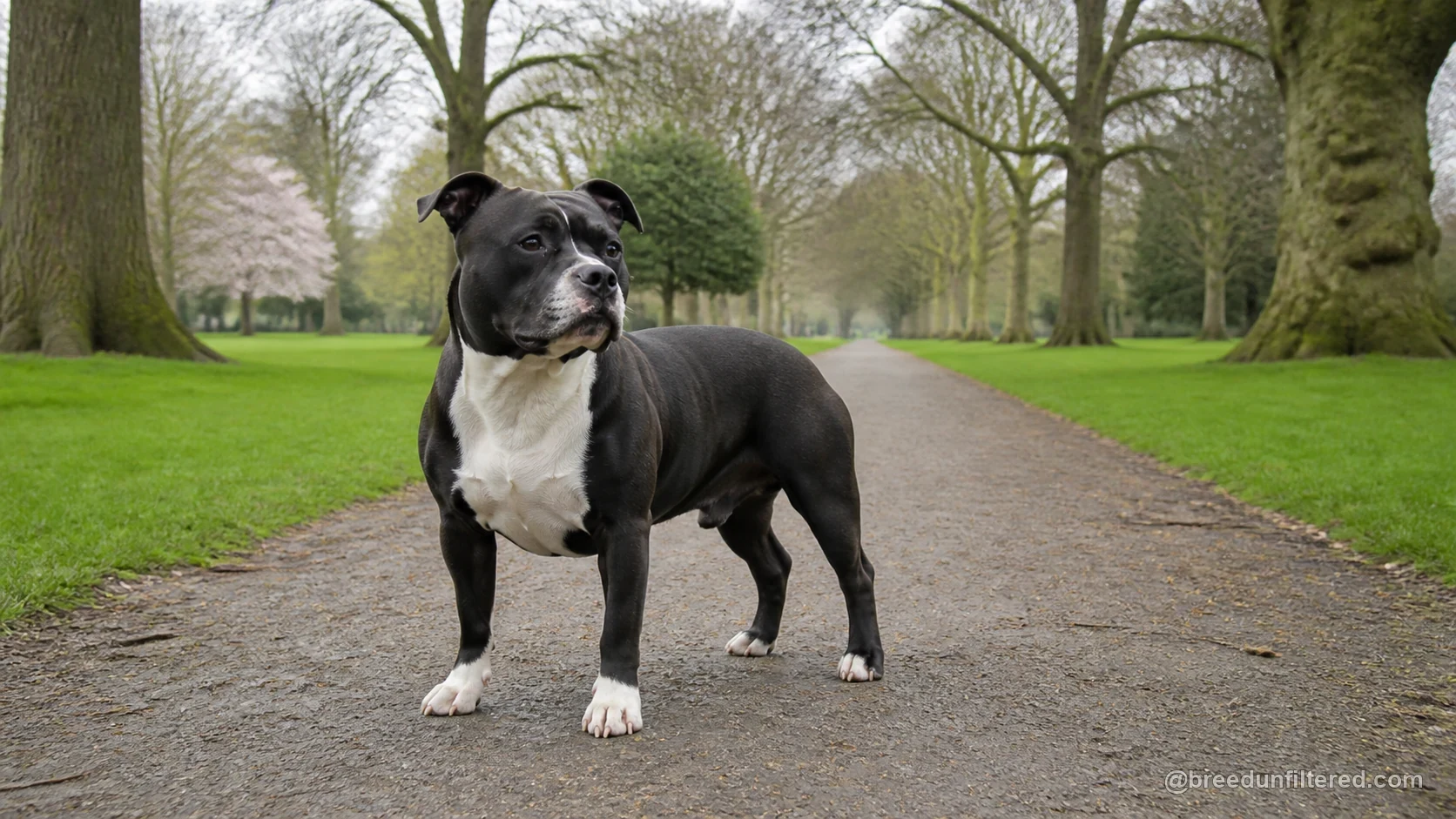
The Staffordshire Bull Terrier, often affectionately called the Staffy, is a medium-sized dog with a big personality. Originating in 19th-century England, this breed was developed from bulldog and terrier crosses for the now-outlawed sport of dog fighting. However, the modern Staffy is far removed from that grim past, known today for its loyalty, courage, and affectionate nature. Prospective owners should understand that this is a powerful, energetic, and highly people-oriented breed that thrives on human companionship and consistent, positive guidance.
Before welcoming a Staffordshire Bull Terrier into your home, it's essential to look beyond the breed's sometimes intimidating reputation. These dogs are often described as 'nanny dogs' due to their historical patience with children, but every dog is an individual, and responsible ownership involves proper socialisation, training, and supervision. This article provides a balanced overview of the breed's characteristics, care requirements, and the commitment involved, helping you decide if a Staffy is the right fit for your lifestyle.
Origin and Purpose
The Staffordshire Bull Terrier's roots lie in the British Isles, where bulldogs and various terriers were crossed to create a dog that combined the bulldog's tenacity with the terrier's agility and intelligence. Historically, these dogs were used in blood sports, but after such practices were banned in the 19th century, breeders focused on developing a companion dog. The breed was officially recognised by the Kennel Club in the UK in 1935, and the FCI standard (number 76) places it in Group 3, Terriers.
Today, the Staffordshire Bull Terrier is primarily a companion and family dog, though it retains the physical strength and determination of its ancestors. The breed's history has shaped its temperament: it is typically brave, tenacious, and incredibly loyal to its family. Understanding this background helps owners appreciate the breed's need for firm, fair handling and its potential for dog-directed reactivity, which can be managed with early socialisation and training.
Temperament and Variation
Staffordshire Bull Terriers are known for their affectionate and people-oriented nature. They often form strong bonds with their families and are generally good with children, earning them a reputation as reliable family pets. However, temperament varies among individuals, and genetics, socialisation, and training all play significant roles. While many Staffies are friendly and outgoing, some may be reserved with strangers or show dog-directed aggression, a trait that can be managed but not entirely eliminated.
It's crucial to avoid stereotyping the breed. While the breed standard describes a confident, courageous dog, individual Staffies can range from exuberant and clownish to more serious and watchful. Prospective owners should meet the parents of a puppy if possible and choose a reputable breeder who prioritises temperament. Adult rescue dogs may have unknown histories, so a thorough assessment with a professional is advisable. Remember that any dog, regardless of breed, can exhibit a range of behaviours.
Exercise and Mental Work
Staffordshire Bull Terriers are energetic and athletic dogs that require regular physical activity to stay healthy and happy. Daily walks, play sessions, and opportunities to run in a secure area are typically necessary. However, the exact amount of exercise depends on the individual dog's age, health, and energy level. A tired Staffy is more likely to be calm at home, but exercise alone is not enough; these intelligent dogs also need mental stimulation to prevent boredom and destructive behaviours.
Mental work can include puzzle toys, obedience training, scent games, and canine sports such as agility or rally. Engaging your Staffy's mind is as important as physical exercise. Without adequate mental and physical outlets, they may develop undesirable behaviours like chewing, digging, or excessive barking. Owners should plan for a balanced routine that includes both structured activities and free play, always considering the dog's individual needs and the weather, as the breed's short coat offers little protection in extreme temperatures.
Training and Socialisation
Training a Staffordshire Bull Terrier requires patience, consistency, and positive reinforcement methods. This breed is intelligent and eager to please, but it can also be stubborn and strong-willed. Harsh training techniques are counterproductive and can damage the trust between dog and owner. Early socialisation is critical: exposing your Staffy to a variety of people, animals, environments, and situations in a controlled, positive manner helps them grow into well-adjusted adults.
Given the breed's potential for dog aggression, socialisation should focus on teaching appropriate interactions with other dogs. Puppy classes and controlled playdates can be beneficial, but supervision is essential. Obedience training should start early, covering basic commands and impulse control. Because Staffies are powerful, a reliable recall is non-negotiable for off-leash activities. Many owners find that enrolling in formal training classes or working with a professional trainer helps build a strong foundation and prevents behavioural issues.
Family and Other Pets
Staffordshire Bull Terriers are often excellent family dogs, known for their love of children and their playful, protective nature. They typically thrive in homes where they are included in family activities and given plenty of attention. However, due to their strength and exuberance, they may inadvertently knock over small children, so supervision and teaching children how to interact safely with dogs are essential. The breed's history as a fighting dog means that some individuals may not get along with other dogs, particularly those of the same sex.
When it comes to other pets, early socialisation can help a Staffy coexist with cats and other small animals, but their terrier prey drive may be strong. It's important to assess each dog's behaviour individually and never leave them unsupervised with small pets. Adopting an adult Staffy with a known history of living with other animals can be a safer option. Ultimately, a well-socialised Staffy can be a wonderful family companion, but prospective owners should be prepared to manage their dog's interactions with other animals responsibly.
Grooming and Health
The Staffordshire Bull Terrier has a short, smooth coat that is easy to groom. Regular brushing with a rubber mitt or soft brush helps remove loose hair and keeps the coat shiny. They shed moderately, and more frequent brushing during shedding seasons can help manage hair around the home. Bathing should be done only when necessary to avoid stripping natural oils. Routine care includes nail trimming, ear cleaning, and dental hygiene, which are important for overall health.
As with many purebred dogs, Staffordshire Bull Terriers may be predisposed to certain health conditions, including hip dysplasia, elbow dysplasia, and hereditary cataracts. Responsible breeders screen their breeding stock for these issues. The breed is also prone to skin allergies and conditions like L-2-hydroxyglutaric aciduria (L2HGA), a neurological disorder. Regular veterinary check-ups and a healthy diet are essential. Prospective owners should ask breeders for health clearances and be aware that the breed's lifespan is typically around 12 to 14 years.
Costs and Responsibility
Owning a Staffordshire Bull Terrier involves significant financial and time commitments. Initial costs include the purchase price from a reputable breeder (which can vary widely) or adoption fees from a rescue. Ongoing expenses include high-quality food, routine veterinary care, vaccinations, parasite prevention, and pet insurance. Additionally, owners should budget for training classes, grooming supplies, and potential emergency medical costs. It's wise to have a financial plan to cover unexpected expenses.
Beyond finances, responsible ownership means providing proper socialisation, training, and a safe environment. This breed may be subject to breed-specific legislation in some areas, so it's crucial to check local laws and insurance requirements. Owners must also be prepared to advocate for their dog and manage its interactions with others to ensure safety. A Staffy is a loyal companion that thrives on human interaction, so leaving them alone for long periods is not advisable. Commitment to a lifetime of care is essential.
Clear answers
FREQUENTLY ASKED QUESTIONS
Are Staffordshire Bull Terriers good with children?
Many Staffordshire Bull Terriers are known to be affectionate and patient with children, earning them the nickname 'nanny dog.' However, individual temperament varies, and supervision is always recommended. Early socialisation and teaching children how to interact respectfully with dogs are crucial. Because of their strength, they may accidentally knock over small children during play, so it's important to manage interactions and provide a safe environment.
Do Staffordshire Bull Terriers get along with other dogs?
Staffordshire Bull Terriers can be dog-aggressive, especially towards same-sex dogs, due to their fighting heritage. Early and ongoing socialisation can help them learn appropriate canine communication, but some individuals may never be fully reliable off-leash with other dogs. It's essential to assess each dog's temperament and manage introductions carefully. Many Staffies live happily with other dogs in the same household if introduced properly.
How much exercise does a Staffordshire Bull Terrier need?
Staffordshire Bull Terriers are energetic and require daily exercise to stay healthy and content. This typically includes at least one or two walks, playtime, and opportunities to run in a secure area. The exact amount depends on the dog's age, health, and energy level. Mental stimulation is equally important, so incorporating training games and puzzle toys can help meet their needs and prevent boredom.
Are Staffordshire Bull Terriers easy to train?
Staffordshire Bull Terriers are intelligent and eager to please, which makes them trainable with positive reinforcement methods. However, they can also be stubborn and strong-willed, so consistency and patience are key. Harsh training techniques are counterproductive. Early socialisation and obedience training are essential to manage their strength and potential for dog aggression. Many owners benefit from professional training classes.
What health issues are common in Staffordshire Bull Terriers?
Staffordshire Bull Terriers may be prone to certain hereditary conditions, including hip dysplasia, elbow dysplasia, hereditary cataracts, and L-2-hydroxyglutaric aciduria (L2HGA), a neurological disorder. They can also suffer from skin allergies. Responsible breeders screen for these issues, and regular veterinary check-ups are important. Maintaining a healthy weight and providing a balanced diet can help reduce the risk of some conditions.
Sources and further reading
Scores describe typical breed tendencies from 1 to 10. They are not a quality ranking or a prediction for an individual dog.
Size and presence4/10
CompactVery large
Physical strength6/10
LightExceptional
Energy level8/10
LowRelentless
Exercise demand8/10
ModestVery demanding
Mental work needed8/10
ModerateDaily job
Trainability6/10
ChallengingExceptional
Everyday manageability3/10
SpecialistStraightforward
First-time owner fit4/10
Poor fitGood fit
Family-life fit6/10
LimitedExcellent
Dog sociability3/10
SelectiveVery social
Prey drive9/10
LowVery high
Guarding tendency4/10
MinimalSerious
Independence9/10
Handler-focusedSelf-directed
Grooming demand4/10
LightHeavy
Apartment fit5/10
Poor fitGood fit