Complete breed guide
Shetland Sheepdog OWNERSHIP GUIDE
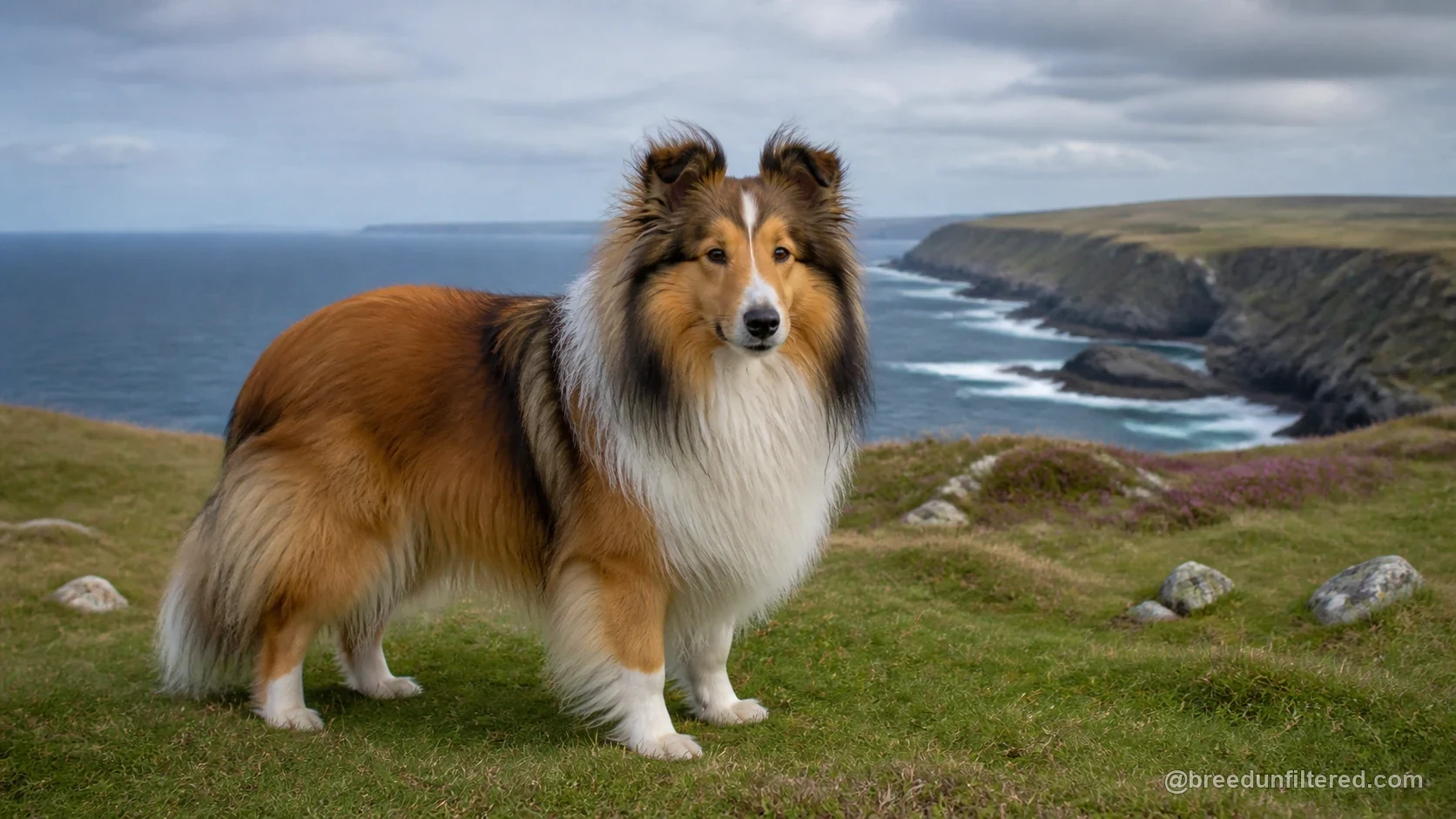
The Shetland Sheepdog, often called the Sheltie, is a small herding dog from the Shetland Islands, known for its striking resemblance to a miniature Rough Collie. Bred to work with sheep and ponies in harsh conditions, the Sheltie combines intelligence, agility, and a strong herding instinct. Today, they are cherished companions who excel in dog sports and family life, but their herding heritage means they need both physical and mental engagement to thrive.
Before welcoming a Sheltie into your home, it's essential to understand their unique needs. They are vocal, sensitive, and highly trainable, but they can be reserved with strangers and may try to herd children or other pets. This guide provides a balanced overview of the breed's origin, temperament, care requirements, and potential challenges, helping you decide if a Shetland Sheepdog is the right fit for your lifestyle.
Origin and Purpose
The Shetland Sheepdog originated in the Shetland Islands, a remote archipelago north of Scotland, where they were developed to herd sheep, cattle, and ponies. Their exact ancestry is debated, but they likely descend from small, hardy working dogs and possibly crosses with the Icelandic Sheepdog or the Border Collie. The breed was refined in the late 19th and early 20th centuries, with influences from the Rough Collie, to achieve its current elegant appearance.
The FCI recognized the Shetland Sheepdog as a definitive breed in 1954, and the current standard (FCI No. 88) places it in Group 1 (Sheepdogs and Cattle Dogs). While they no longer work extensively on farms, their herding instinct remains strong, and they often excel in herding trials, agility, and obedience. Understanding their purpose helps explain their intelligence, responsiveness, and need for a job to do.
Temperament and Variation
Shelties are known for their intelligence, sensitivity, and devotion to their families. They are typically alert and may be reserved with strangers, but they are not aggressive. Individual temperament varies, with some being more outgoing and others more timid. Early socialization is crucial to help them develop confidence and distinguish between normal situations and genuine threats.
They are a vocal breed, often barking to alert their owners or during play. This trait, combined with their herding instinct, means they may try to round up children or other pets, which can be managed with training and supervision. Shelties are sensitive to tone and respond best to positive, consistent methods. They thrive on human companionship and can become anxious if left alone for long periods.
Exercise and Mental Work
Shelties are energetic and require regular exercise to stay physically and mentally healthy. A daily walk, play session, or run in a securely fenced area is typically recommended, but the exact amount varies by age and individual. They are not suited to being left alone in a yard; they need interaction and structured activities.
Mental stimulation is equally important. Shelties excel in obedience, agility, rally, and herding trials, and they enjoy puzzle toys and training games. Without adequate mental engagement, they may develop repetitive behaviors or excessive barking. Prospective owners should be prepared to provide both physical exercise and cognitive challenges to keep their Sheltie content.
Training and Socialisation
Shelties are highly trainable due to their intelligence and eagerness to please. They respond well to positive reinforcement techniques such as treats, praise, and play. Harsh methods can damage their trust and lead to fearfulness. Early training should focus on basic obedience and impulse control, as their herding instinct may cause them to chase or nip.
Socialisation from a young age is vital. Expose them to various people, animals, environments, and sounds to build a well-adjusted adult. Puppy classes and controlled introductions can help. While they are generally good with other dogs, they may be reserved or wary of unfamiliar ones. Consistent, patient training will help them become reliable companions.
Family and Other Pets
Shelties can make excellent family dogs, especially in households with older children who understand how to interact respectfully with dogs. They are gentle and playful, but their herding instinct may lead them to nip at heels, which can startle young children. Supervision and training are necessary to teach both the dog and children appropriate boundaries.
With other pets, Shelties often get along well if raised together. They may try to herd cats or smaller animals, but this can be managed with training. They tend to be more comfortable with dogs of similar size or temperament. As with any breed, individual personalities vary, so introductions should be gradual and supervised.
Grooming and Health
The Sheltie has a double coat that sheds heavily, especially during seasonal changes. Regular brushing, at least two to three times a week, is necessary to manage loose fur and prevent mats. They are not hypoallergenic, and their grooming needs should be considered by prospective owners. Bathing is only needed occasionally, and routine nail trimming, ear cleaning, and dental care are important.
Like many purebreds, Shelties are prone to certain health conditions, including hip dysplasia, eye disorders such as collie eye anomaly, and dermatomyositis. They are also sensitive to some medications, particularly ivermectin, due to a genetic mutation. Responsible breeders screen for these issues, but owners should be prepared for potential veterinary costs. Regular check-ups and a healthy diet contribute to their well-being.
Costs and Responsibility
Owning a Shetland Sheepdog involves financial and time commitments. Initial costs include the purchase price from a reputable breeder, which can vary widely, as well as supplies like a crate, bed, and grooming tools. Ongoing expenses include high-quality food, routine veterinary care, vaccinations, and preventive medications. Emergency medical care or treatment for breed-specific conditions can add to the financial burden.
Beyond money, Shelties require a significant time investment for exercise, training, and companionship. They are not a low-maintenance breed and may not suit someone who is away from home frequently. Prospective owners should assess their lifestyle and resources to ensure they can meet the breed's needs for many years, as Shelties typically live 12 to 14 years.
Clear answers
FREQUENTLY ASKED QUESTIONS
Are Shetland Sheepdogs good with children?
Shelties can be good with children, especially when raised with them and properly socialized. They are gentle and playful, but their herding instinct may lead them to nip at heels, which can be startling for young kids. Supervision and training are essential to teach both the dog and children how to interact safely and respectfully.
How much exercise does a Shetland Sheepdog need?
Shelties are energetic and need daily exercise, but the exact amount varies by age and individual. A typical adult may enjoy a 30-60 minute walk plus playtime, but they also need mental stimulation. Without enough activity, they may become bored and develop behaviors like excessive barking or digging.
Are Shetland Sheepdogs easy to train?
Yes, Shelties are highly trainable due to their intelligence and eagerness to please. They respond best to positive reinforcement methods like treats and praise. However, they are sensitive, so harsh corrections can be counterproductive. Consistent, patient training from an early age yields excellent results.
Do Shetland Sheepdogs shed a lot?
Yes, Shelties have a double coat that sheds heavily, especially during seasonal changes. Regular brushing, at least two to three times a week, is necessary to manage loose fur and prevent mats. They are not hypoallergenic, so individuals with allergies may need to consider this.
What health issues are common in Shetland Sheepdogs?
Shelties are prone to certain hereditary conditions, including hip dysplasia, eye disorders like collie eye anomaly, and dermatomyositis. They also have a genetic sensitivity to some drugs, particularly ivermectin. Responsible breeders screen for these issues, but owners should be aware of potential health costs.
Sources and further reading
Scores describe typical breed tendencies from 1 to 10. They are not a quality ranking or a prediction for an individual dog.
Size and presence6/10
CompactVery large
Physical strength5/10
LightExceptional
Energy level8/10
LowRelentless
Exercise demand8/10
ModestVery demanding
Mental work needed10/10
ModerateDaily job
Trainability9/10
ChallengingExceptional
Everyday manageability5/10
SpecialistStraightforward
First-time owner fit4/10
Poor fitGood fit
Family-life fit7/10
LimitedExcellent
Dog sociability7/10
SelectiveVery social
Prey drive7/10
LowVery high
Guarding tendency7/10
MinimalSerious
Independence5/10
Handler-focusedSelf-directed
Grooming demand6/10
LightHeavy
Apartment fit4/10
Poor fitGood fit