Complete breed guide
Saarloos Wolfhond OWNERSHIP GUIDE
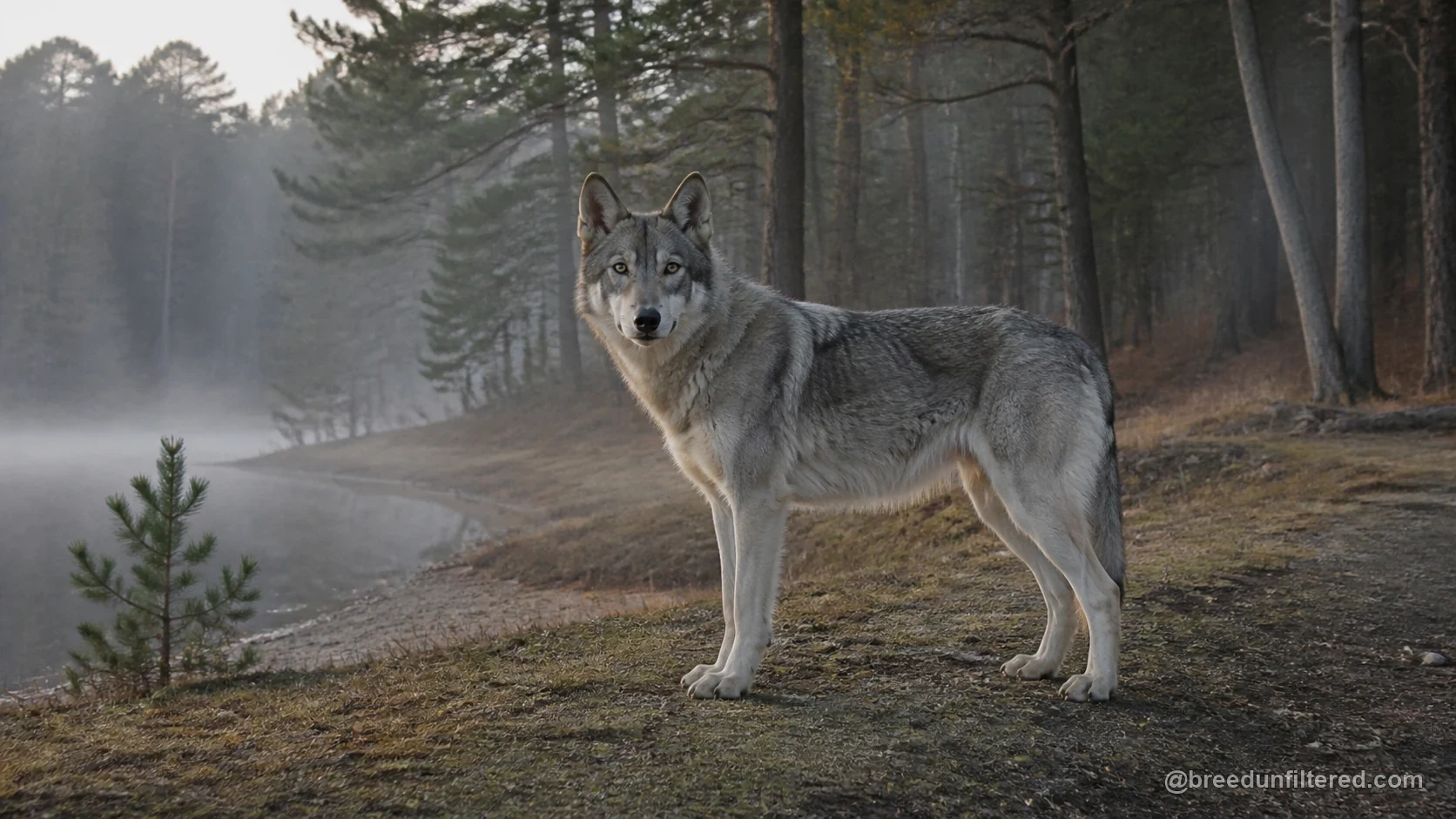
The Saarloos Wolfhond is a breed that carries the wild essence of the wolf within a domestic frame. Developed in the Netherlands during the early 20th century by Leendert Saarloos, this breed was created by crossing a German Shepherd with a captive wolf. The goal was to produce a dog with the wolf's natural instincts and resilience, but the result is a canine that is both captivating and challenging, requiring an owner who understands its unique nature.
For those considering bringing a Saarloos Wolfhond into their lives, it is essential to look beyond the striking appearance. This breed is not a typical family pet; it is a sensitive, intelligent, and independent companion that demands patience, experience, and a commitment to meeting its physical and emotional needs. This article provides an in-depth look at the breed's origins, temperament, care requirements, and the realities of living with such a remarkable animal.
Origin and Purpose
The Saarloos Wolfhond was developed in the 1930s and 1940s by Leendert Saarloos, a Dutch breeder who aimed to create a dog with the robust health and natural behavior of the wolf. He crossed a German Shepherd male with a female wolf from a zoo, and later incorporated other wolf bloodlines. Saarloos envisioned a dog that would be a loyal companion with the wolf's keen senses and pack mentality, but the breed's development was interrupted by World War II and the breed was not officially recognized until 1975.
Today, the Saarloos Wolfhond is recognized by the FCI in Group 1 (Sheepdogs and Cattle Dogs) under standard number 311. Its original purpose was not to herd or guard livestock, but to be a companion and a working dog with a strong connection to its human family. However, its wolf ancestry means it retains many wild traits, such as a strong prey drive, a cautious nature, and a complex social structure, making it a breed that is not suited to every owner.
Temperament and Variation
The Saarloos Wolfhond is known for its reserved and sometimes shy temperament. It is not a breed that readily trusts strangers; instead, it forms deep bonds with its immediate family and can be aloof or wary around unfamiliar people and situations. This breed is highly sensitive and perceptive, often reacting to subtle changes in its environment. While individual dogs vary, many Saarloos Wolfhonds are gentle and affectionate with their own family, yet they may never be as outgoing or demonstrative as more conventional dog breeds.
Because of their wolf heritage, Saarloos Wolfhonds exhibit a range of behaviors that can be challenging for the unprepared owner. They may be more independent and less eager to please than other dogs, and they often communicate through a variety of vocalizations, including howls, whines, and barks. It is important to recognize that each dog is an individual, and while breed tendencies exist, early socialization and consistent, respectful handling can influence their development. Prospective owners should be prepared for a dog that may not fit the typical 'man's best friend' mold but can be a deeply rewarding companion for the right person.
Exercise and Mental Work
The Saarloos Wolfhond is an active and athletic breed that requires substantial daily exercise to maintain its physical and mental well-being. A typical adult will benefit from long walks, runs, or hikes in safe, enclosed areas where it can explore and use its senses. However, it is crucial to note that this breed has a strong prey drive and may not be reliable off-leash in unsecured areas. Providing a variety of activities, such as scent work, tracking, or canine sports, can help channel its energy constructively.
Mental stimulation is just as important as physical exercise for this intelligent breed. Without adequate mental engagement, Saarloos Wolfhonds may become bored and develop destructive behaviors. Puzzle toys, training sessions that use positive reinforcement, and opportunities to use their natural problem-solving skills are all beneficial. It is also important to allow them time to simply be dogs, to sniff and explore at their own pace, as this can be very satisfying for them. Owners should be prepared to dedicate a significant portion of their day to meeting these needs.
Training and Socialisation
Training a Saarloos Wolfhond requires patience, consistency, and a gentle but firm approach. This breed is not known for its eagerness to please in the way that some other breeds are; instead, it responds best to methods that build trust and respect. Harsh training techniques are counterproductive and can damage the bond between dog and owner. Positive reinforcement, using treats, praise, and play, is generally the most effective approach. Early and ongoing socialisation is essential to help the dog become comfortable with a variety of people, animals, and environments.
Socialisation should begin in puppyhood and continue throughout the dog's life. Exposing the Saarloos Wolfhond to different sights, sounds, and experiences in a controlled, positive manner can help mitigate its natural wariness. However, even with excellent socialisation, many individuals will remain reserved with strangers. It is important for owners to understand that this is a breed trait and not a failure of training. The goal is to create a well-adjusted dog that can cope with the world around it, not to force it to be overly friendly.
Family and Other Pets
The Saarloos Wolfhond can be a devoted and loyal family member, but it may not be the best choice for households with very young children. Its sensitive nature means it can be easily stressed by loud noises or rough handling, and it may not tolerate the unpredictable behavior of small children. With older, respectful children, the breed can form strong bonds and be a gentle playmate. However, supervision is always recommended, and it is crucial to teach children how to interact appropriately with any dog.
When it comes to other pets, the Saarloos Wolfhond's high prey drive can be a significant concern. Small animals such as cats, rabbits, or rodents may be viewed as prey, and even with early socialisation, there is no guarantee that the dog will be safe with them. Some Saarloos Wolfhonds may live peacefully with other dogs, especially if they are raised together, but same-sex aggression can occur. Prospective owners should be prepared to manage their dog carefully around other animals and to provide secure fencing to prevent escapes.
Grooming and Health
The Saarloos Wolfhond has a thick double coat that sheds seasonally, with heavier shedding during the spring and autumn. Regular brushing, at least two to three times a week, is necessary to remove loose fur and keep the coat healthy. During shedding seasons, daily brushing may be required. The breed is generally clean and may not need frequent baths, but regular nail trimming, ear cleaning, and dental care are important parts of the grooming routine.
As a relatively rare breed, the Saarloos Wolfhond is not as extensively studied as more common breeds, but it is generally considered to be hardy. However, like all dogs, it can be prone to certain health issues, including hip dysplasia and elbow dysplasia, which are common in many large breeds. Responsible breeders screen their breeding stock for these conditions. The breed's lifespan is typically around 10 to 12 years. Prospective owners should be prepared for potential veterinary costs and should seek a breeder who prioritizes health testing.
Costs and Responsibility
Owning a Saarloos Wolfhond is a significant financial and time commitment. The initial cost of a puppy from a reputable breeder can be high, often reflecting the rarity of the breed and the health testing involved. Ongoing expenses include high-quality food, routine veterinary care, vaccinations, and preventive medications. Additionally, because this breed requires secure fencing, ample space, and plenty of time for exercise and mental stimulation, owners must be prepared for these lifestyle adjustments.
Beyond the financial costs, there is a considerable responsibility in providing for the unique needs of a Saarloos Wolfhond. This is not a breed that can be left alone for long periods or neglected in a backyard. It thrives on companionship and involvement in family activities. Prospective owners should honestly assess their experience, living situation, and ability to meet the breed's demands. For those who are prepared, the Saarloos Wolfhond can be a fascinating and deeply rewarding companion, but it is not a decision to be taken lightly.
Clear answers
FREQUENTLY ASKED QUESTIONS
Is the Saarloos Wolfhond a good family dog?
The Saarloos Wolfhond can be a good family dog for experienced owners with older, respectful children. It is loyal and affectionate with its family, but its sensitive nature and wariness of strangers mean it may not be suitable for homes with very young children or high levels of activity. Proper socialisation and supervision are essential.
How much exercise does a Saarloos Wolfhond need?
The Saarloos Wolfhond is an active breed that needs substantial daily exercise, including long walks, runs, or hikes. It also requires mental stimulation to prevent boredom. The exact amount varies by individual, but owners should be prepared to dedicate at least one to two hours per day to physical and mental activities.
Are Saarloos Wolfhonds good with other pets?
Due to their high prey drive, Saarloos Wolfhonds may not be safe with small animals like cats or rabbits. They can sometimes live with other dogs if raised together, but same-sex aggression is possible. Careful management and secure fencing are necessary to prevent incidents.
What are the grooming requirements for a Saarloos Wolfhond?
The Saarloos Wolfhond has a thick double coat that sheds heavily during seasonal changes. Regular brushing, at least two to three times a week, is needed to manage loose fur. During shedding seasons, daily brushing may be necessary. They do not require frequent baths, but routine nail trimming and ear cleaning are important.
Is the Saarloos Wolfhond easy to train?
The Saarloos Wolfhond is intelligent but independent, making training a challenge for novice owners. It responds best to positive reinforcement and patient, consistent methods. Harsh training is counterproductive. Early socialisation and ongoing training are crucial to develop a well-adjusted dog.
Sources and further reading
Scores describe typical breed tendencies from 1 to 10. They are not a quality ranking or a prediction for an individual dog.
Size and presence6/10
CompactVery large
Physical strength6/10
LightExceptional
Energy level8/10
LowRelentless
Exercise demand9/10
ModestVery demanding
Mental work needed10/10
ModerateDaily job
Trainability9/10
ChallengingExceptional
Everyday manageability3/10
SpecialistStraightforward
First-time owner fit4/10
Poor fitGood fit
Family-life fit7/10
LimitedExcellent
Dog sociability3/10
SelectiveVery social
Prey drive9/10
LowVery high
Guarding tendency7/10
MinimalSerious
Independence5/10
Handler-focusedSelf-directed
Grooming demand8/10
LightHeavy
Apartment fit4/10
Poor fitGood fit