Complete breed guide
Polish Hunting Dog OWNERSHIP GUIDE
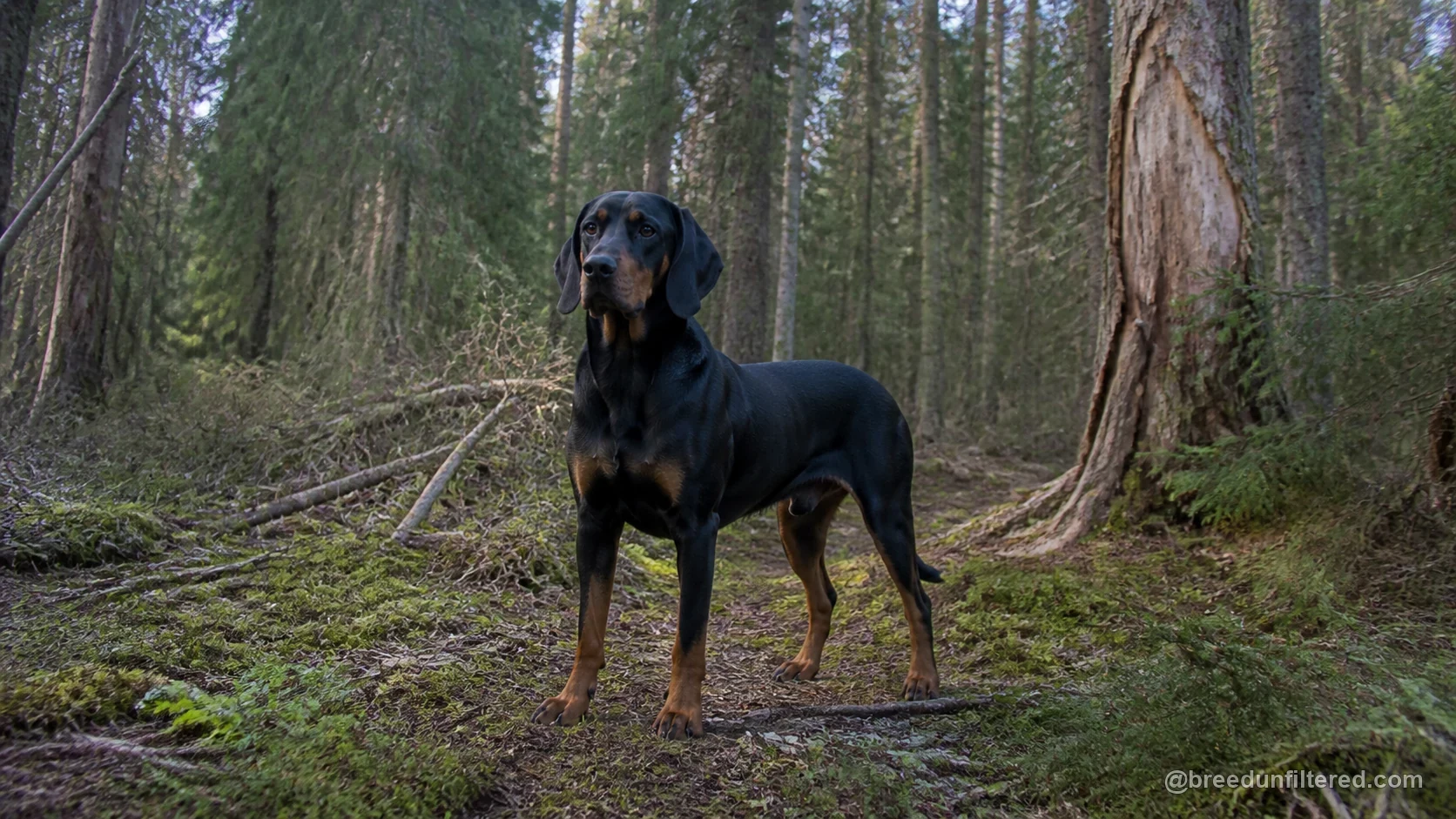
The Polish Hunting Dog, known in its homeland as Gonczy Polski, is a scenthound with a long history of trailing game through dense forests and varied terrain. Recognized by the FCI in Group 6, this breed was developed for endurance, determination, and a keen nose, making it a specialized working partner for hunters. While not as widely known outside Poland, its loyal and even-tempered nature has begun to attract interest from those seeking a versatile companion with a strong work ethic.
Prospective owners should understand that this is a breed with significant exercise and mental stimulation requirements, rooted in its hunting heritage. The Polish Hunting Dog is not a sedentary lapdog; it thrives in an active household that can provide structured activities and a job to do. This guide offers a balanced overview of the breed's characteristics, care needs, and potential challenges, helping you decide if this dedicated hound is the right fit for your lifestyle.
Origin and Purpose
The Polish Hunting Dog's roots trace back to medieval Poland, where it was prized for its ability to track large game such as boar and deer. Its development was influenced by various European hounds, and the breed was refined over centuries to possess a powerful nose, stamina, and a loud, distinctive bay when on the trail. The FCI standard, number 354, was established to preserve these working qualities, and the breed remains primarily a hunting companion in its native land.
Today, the Polish Hunting Dog is still used for hunting, but it also participates in dog sports like tracking and scent work. Its versatility and adaptability have led to a slow increase in popularity as a family pet, particularly among those who appreciate its calm demeanor indoors after a long day of activity. However, its purpose-driven nature means that without an outlet for its instincts, it may become restless or develop undesirable behaviors.
Temperament and Variation
The breed standard describes the Polish Hunting Dog as even-tempered, balanced, and not aggressive. Individuals are typically devoted to their family and can be reserved with strangers, making them decent watchdogs. They are known for their persistence and determination when working, yet at home they often display a calm and gentle side. As with any breed, individual temperament varies, and early socialization plays a crucial role in shaping a well-adjusted adult.
While the breed is generally not known for high aggression, it does possess a strong prey drive and a stubborn streak, which can be challenging for novice owners. They are intelligent but may be independent thinkers, preferring to follow their nose rather than obey commands. Understanding these traits is essential for managing expectations and providing appropriate training and enrichment.
Exercise and Mental Work
The Polish Hunting Dog is a high-energy breed that requires substantial daily exercise to remain physically and mentally healthy. Long walks, jogs, or hikes are essential, but off-leash activities in a securely fenced area are particularly beneficial, as they allow the dog to use its nose and explore. Without adequate exercise, this breed may become destructive or develop excessive barking.
Mental stimulation is equally important. Scent games, tracking trials, and puzzle toys can help satisfy the breed's innate desire to work. Engaging in activities that mimic hunting, such as nose work or barn hunt, can provide a fulfilling outlet for its instincts. Prospective owners should be prepared to commit time and effort to meet these needs, as a bored Polish Hunting Dog can be a handful.
Training and Socialisation
Training a Polish Hunting Dog requires patience, consistency, and positive reinforcement methods. This breed responds well to reward-based training, but its independent nature may lead to selective hearing if it catches an interesting scent. Early obedience training is crucial to establish a strong foundation and to manage its strong will. Harsh methods are counterproductive and can damage the trust between dog and owner.
Socialisation from a young age is vital to ensure the dog is comfortable with various people, animals, and environments. Exposing the puppy to different sights, sounds, and experiences helps prevent shyness or over-reactivity. While the breed can get along with other dogs, its prey drive may make it unsuitable for homes with small pets unless carefully introduced and supervised.
Family and Pets
The Polish Hunting Dog can make a loyal and affectionate family companion, especially in households that appreciate an active lifestyle. They are generally good with children, particularly when raised with them, but their size and energy may be overwhelming for very young kids. Supervision is recommended to ensure safe interactions, as the dog's boisterous play could accidentally knock over a toddler.
Regarding other pets, the breed's hunting instincts can pose a risk to small animals like cats, rabbits, or rodents. With early socialisation, some individuals may learn to coexist with cats, but it is not guaranteed. For multi-dog households, they typically get along well with other dogs, especially if they are properly introduced and given time to establish a social hierarchy.
Grooming and Health
The Polish Hunting Dog has a short, dense coat that is relatively low-maintenance. Weekly brushing helps remove loose hair and keep the coat healthy, with more frequent brushing during seasonal sheds. They are average shedders, and occasional baths are sufficient to keep them clean. Regular ear checks are important, as floppy ears can trap moisture and debris, potentially leading to infections.
As a generally robust breed, the Polish Hunting Dog has no known breed-specific health issues, but like all dogs, they can be prone to common conditions such as hip dysplasia and ear infections. Responsible breeders screen their breeding stock for hereditary conditions. Prospective owners should ask about health clearances and ensure they provide regular veterinary care, a balanced diet, and appropriate exercise to maintain overall well-being.
Costs and Responsibility
Owning a Polish Hunting Dog involves significant financial and time commitments. Initial costs include purchasing from a reputable breeder, which can be substantial, as well as supplies like crates, bedding, and food. Ongoing expenses include high-quality nutrition, routine veterinary care, vaccinations, and preventive medications. Additionally, because this breed requires ample exercise and mental stimulation, owners must allocate time daily for activities, which can be a challenge for busy individuals.
Responsible ownership also entails providing proper training, socialisation, and a safe environment. This breed is not suited for apartment living unless the owner is exceptionally dedicated to meeting its exercise needs. Prospective owners should carefully evaluate their lifestyle, living situation, and ability to commit to a high-energy dog for its entire lifespan, which can be 10-13 years. Adopting from a rescue or breed-specific group is another option to consider.
Clear answers
FREQUENTLY ASKED QUESTIONS
Is the Polish Hunting Dog good with children?
The Polish Hunting Dog can be good with children, especially when raised with them from puppyhood. They are generally gentle and loyal, but their size and energy may be too much for very young children. Supervision is recommended to prevent accidental knocks during play. Early socialisation and training help ensure positive interactions.
How much exercise does a Polish Hunting Dog need?
This breed requires substantial daily exercise, typically at least 1-2 hours of vigorous activity. Long walks, runs, or hikes are essential, along with opportunities to use its nose. Without sufficient exercise, they may become destructive or develop behavioral issues. Mental stimulation is equally important to keep them content.
Does the Polish Hunting Dog shed a lot?
The Polish Hunting Dog has a short, dense coat that sheds moderately year-round, with heavier shedding during seasonal changes. Weekly brushing can help manage loose hair and keep the coat healthy. They are not considered heavy shedders, but regular grooming is necessary to minimize hair around the home.
Is the Polish Hunting Dog easy to train?
Training a Polish Hunting Dog can be challenging due to its independent and stubborn nature. They are intelligent but may be easily distracted by scents. Positive reinforcement methods work best, and early, consistent training is crucial. Patience and persistence are key, as this breed may not respond to harsh or forceful techniques.
Can a Polish Hunting Dog live in an apartment?
Apartment living is not ideal for a Polish Hunting Dog due to its high energy and need for space. They require a securely fenced yard and ample exercise to thrive. Without sufficient outdoor time, they may become restless and bark excessively. An apartment dweller would need to commit to multiple long walks and mental activities daily.
Sources and further reading
Scores describe typical breed tendencies from 1 to 10. They are not a quality ranking or a prediction for an individual dog.
Size and presence5/10
CompactVery large
Physical strength6/10
LightExceptional
Energy level9/10
LowRelentless
Exercise demand10/10
ModestVery demanding
Mental work needed8/10
ModerateDaily job
Trainability4/10
ChallengingExceptional
Everyday manageability1/10
SpecialistStraightforward
First-time owner fit3/10
Poor fitGood fit
Family-life fit6/10
LimitedExcellent
Dog sociability8/10
SelectiveVery social
Prey drive10/10
LowVery high
Guarding tendency3/10
MinimalSerious
Independence10/10
Handler-focusedSelf-directed
Grooming demand4/10
LightHeavy
Apartment fit4/10
Poor fitGood fit