Complete breed guide
Dandie Dinmont Terrier OWNERSHIP GUIDE
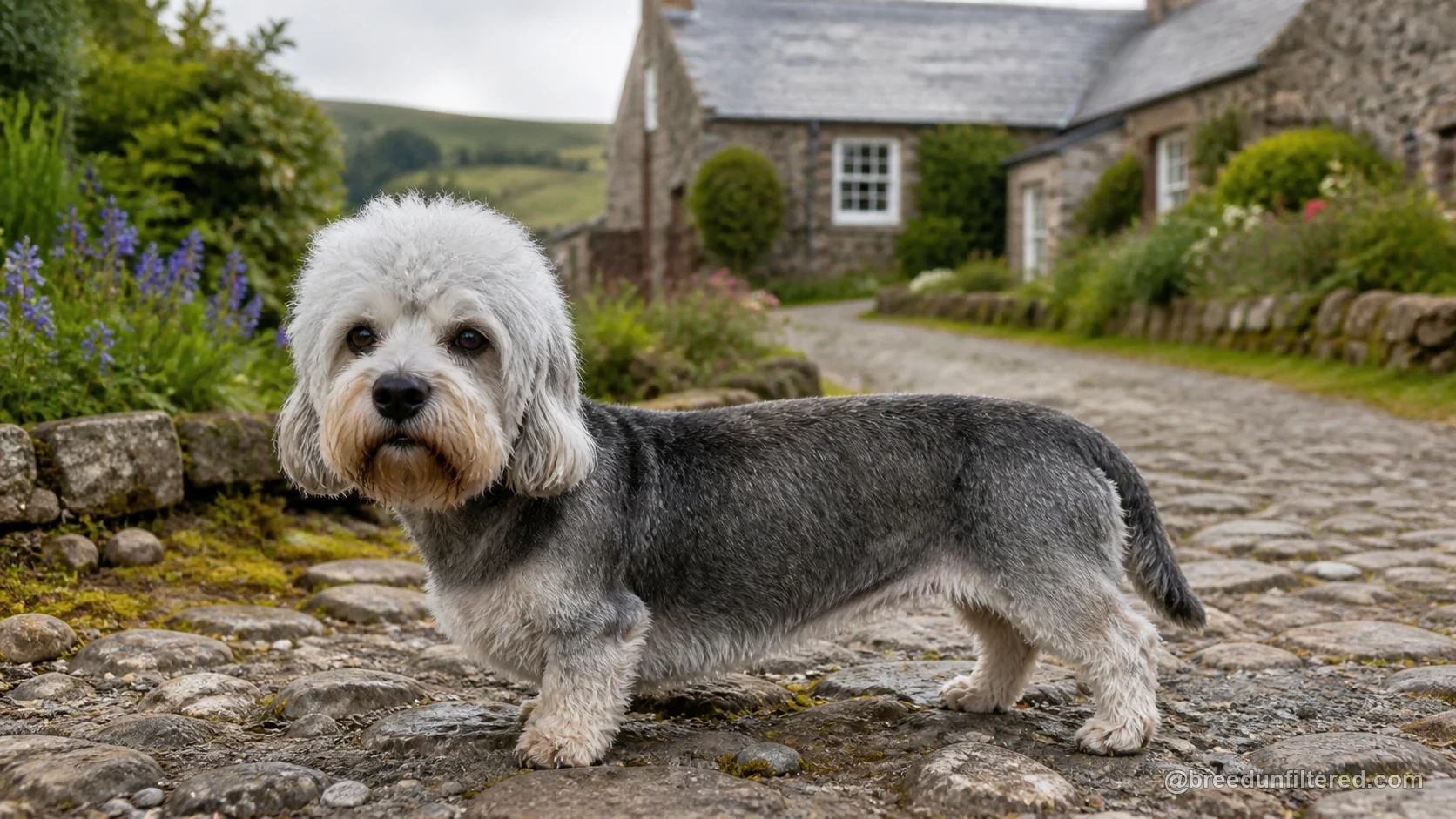
The Dandie Dinmont Terrier is a rare and distinctive breed, instantly recognizable by its long, low body, domed head, and silky topknot. Originating in the border country between England and Scotland, this terrier was developed to hunt otters and badgers, yet it carries a dignified and somewhat quirky personality that sets it apart from other terriers. For prospective owners, understanding the Dandie's blend of independence, loyalty, and sensitivity is key to a harmonious home.
This article provides a balanced overview of the Dandie Dinmont Terrier, covering its origins, temperament, exercise and mental stimulation needs, training, family compatibility, grooming, health considerations, and the financial and time commitments involved. While every dog is an individual, this guide aims to help you assess whether the Dandie's unique character fits your lifestyle.
Origin and Purpose
The Dandie Dinmont Terrier takes its name from a character in Sir Walter Scott's 1815 novel 'Guy Mannering', but the breed's roots go back further in the Border region of Scotland and England. These tenacious terriers were prized for their ability to work in rough terrain, hunting otters and badgers. Their long bodies and short legs allowed them to follow quarry into dens, while their courage and determination made them effective hunters.
Today, the Dandie is primarily a companion, but its working heritage still influences its behavior. The breed is recognized by the FCI under standard number 168 and belongs to Group 3 (Terriers). Its rarity adds to its appeal, but also means that finding a reputable breeder may require patience. Understanding its historical purpose helps owners appreciate the Dandie's natural instincts and need for purposeful activity.
Temperament and Variation
Dandie Dinmont Terriers are often described as having a dual personality: they can be dignified and composed, yet also playful and affectionate. They tend to form strong bonds with their families and can be sensitive to harsh treatment. While they possess typical terrier independence, they are generally less hyperactive than some other terriers, often displaying a calm demeanor indoors. However, individual variation is significant, and early experiences shape their behavior.
Prospective owners should expect a dog that is alert, intelligent, and sometimes stubborn. Dandies may be reserved with strangers, but they are not typically aggressive. Their loyalty and moderate size make them adaptable, but they thrive in homes where they are included in daily life. Understanding that each Dandie has its own personality is crucial; some may be more outgoing, while others are more reserved.
Exercise and Mental Work
The Dandie Dinmont Terrier has moderate exercise needs. Daily walks and opportunities to explore in a safe, enclosed area are generally sufficient to keep them physically fit. They are not high-energy dogs, but they do enjoy a good run and play session. Because of their hunting background, they may have a strong prey drive, so secure fencing and leash walking are important to prevent them from chasing small animals.
Mental stimulation is equally important. Dandies are intelligent and can become bored if left without challenges. Puzzle toys, scent games, and training sessions that engage their minds can help prevent undesirable behaviors. Activities like earthdog trials, which tap into their natural digging instincts, can be rewarding for both dog and owner. Balancing physical and mental exercise helps maintain a well-adjusted Dandie.
Training and Socialisation
Training a Dandie Dinmont Terrier requires patience and consistency. They respond best to positive reinforcement methods, such as treats and praise, rather than harsh corrections. Their independent nature can make them appear stubborn, but they are capable of learning if training is kept interesting and varied. Short, frequent sessions are often more effective than long, repetitive ones.
Early socialisation is vital to help a Dandie become a well-mannered adult. Exposing them to a variety of people, places, and other animals in a positive way can reduce shyness or reactivity. While they may never be overly outgoing with strangers, proper socialisation helps them feel confident. Enrolling in puppy classes and continuing social experiences throughout life can support their development.
Family and Other Pets
Dandie Dinmont Terriers can make loving companions for families, but they may be best suited to homes with older children who understand how to interact respectfully with dogs. Their small size means they can be injured by rough handling, so supervision is recommended. They tend to be loyal and protective of their family members, and they often enjoy being involved in household activities.
When it comes to other pets, the Dandie's terrier instincts can pose challenges. They may not get along with small animals like rodents or rabbits, and their prey drive could be triggered by cats if not raised with them. With proper introduction and training, some Dandies can live peacefully with other dogs, but same-sex aggression can occur. Careful management and early socialisation are key to fostering harmonious multi-pet households.
Grooming and Health
The Dandie Dinmont Terrier has a distinctive coat that requires regular grooming. Their coat is a mix of hard and soft hair, and they do not shed heavily, but they do need brushing several times a week to prevent mats. Professional grooming every few months is often recommended to maintain the breed's characteristic silhouette. Their topknot and beard need special attention to keep them clean and tidy.
As with many purebred dogs, Dandies may be prone to certain health conditions. Responsible breeders screen for issues such as hip dysplasia, eye problems, and a specific spinal condition called 'Dandie Dinmont Terrier chondrodystrophy'. Regular veterinary check-ups and a healthy diet contribute to overall well-being. Prospective owners should ask breeders about health testing and be prepared for potential medical costs.
Costs and Responsibility
Owning a Dandie Dinmont Terrier involves financial and time commitments. The initial cost of a puppy from a reputable breeder can be significant, and ongoing expenses include high-quality food, routine veterinary care, grooming, and pet insurance. Because the breed is rare, finding a breeder may require travel and a waiting list. Adopting from a rescue is another option, though Dandies are less common in shelters.
Responsible ownership extends beyond finances. Dandies need daily companionship and should not be left alone for long periods. They thrive in homes where they are part of the family. Prospective owners should also consider their living situation; while Dandies can adapt to apartment life with adequate exercise, they do best with access to a secure yard. Being prepared for the breed's unique needs ensures a rewarding relationship.
Clear answers
FREQUENTLY ASKED QUESTIONS
Are Dandie Dinmont Terriers good with children?
Dandie Dinmont Terriers can be good with children, especially when raised with them and properly socialized. However, due to their small size, they are better suited to families with older children who understand how to handle dogs gently. Supervision is always recommended to prevent accidental injuries, and teaching children to respect the dog's space is essential.
How much exercise does a Dandie Dinmont Terrier need?
Dandie Dinmont Terriers have moderate exercise needs. Daily walks and playtime in a secure area are usually sufficient. They are not overly energetic but do enjoy exploring and using their noses. Mental stimulation is equally important to prevent boredom. Owners should avoid over-exercising puppies to protect their developing joints.
Do Dandie Dinmont Terriers shed a lot?
Dandie Dinmont Terriers are considered low shedders, but they do require regular grooming to maintain their coat. Their hair grows continuously and needs brushing several times a week to prevent mats. Professional grooming every few months is often recommended. They are not truly hypoallergenic, but their low shedding may be suitable for some allergy sufferers.
Are Dandie Dinmont Terriers easy to train?
Dandie Dinmont Terriers are intelligent but can be independent and stubborn. They respond best to positive reinforcement and consistent, patient training. Short, engaging sessions work better than long drills. Early socialisation and training are important to shape a well-behaved adult. They may not be the easiest breed for first-time owners, but with dedication, they can learn well.
What health issues are common in Dandie Dinmont Terriers?
Dandie Dinmont Terriers may be prone to certain health conditions, including hip dysplasia, eye disorders, and a specific spinal condition called chondrodystrophy. Responsible breeders screen for these issues. Regular veterinary care and a healthy lifestyle can help manage risks. Prospective owners should ask breeders about health clearances and be prepared for potential medical expenses.
Sources and further reading
Scores describe typical breed tendencies from 1 to 10. They are not a quality ranking or a prediction for an individual dog.
Size and presence4/10
CompactVery large
Physical strength5/10
LightExceptional
Energy level9/10
LowRelentless
Exercise demand9/10
ModestVery demanding
Mental work needed8/10
ModerateDaily job
Trainability6/10
ChallengingExceptional
Everyday manageability2/10
SpecialistStraightforward
First-time owner fit4/10
Poor fitGood fit
Family-life fit6/10
LimitedExcellent
Dog sociability3/10
SelectiveVery social
Prey drive10/10
LowVery high
Guarding tendency5/10
MinimalSerious
Independence7/10
Handler-focusedSelf-directed
Grooming demand6/10
LightHeavy
Apartment fit5/10
Poor fitGood fit