Complete breed guide
Hungarian Greyhound OWNERSHIP GUIDE
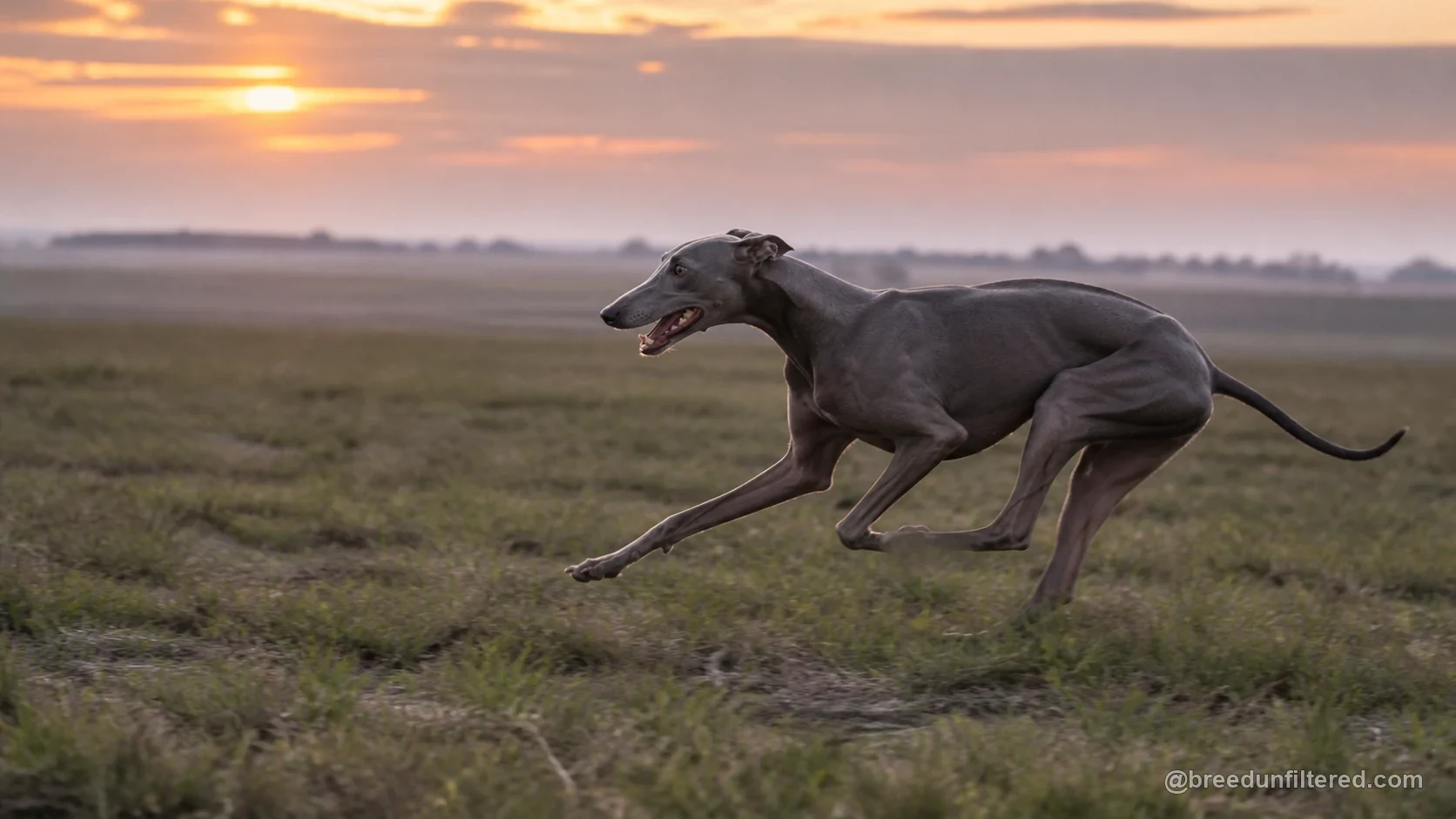
The Hungarian Greyhound, known as the Magyar Agar in its homeland, is a sighthound with a rich history dating back centuries. Bred for coursing game across the vast plains of Hungary, this breed combines the speed and agility of a sighthound with a robust, enduring build. Unlike some of its more delicate cousins, the Hungarian Greyhound was developed to work in varied terrain and harsh weather, making it a versatile and hardy companion.
For prospective owners, the Hungarian Greyhound offers a unique blend of athleticism and calmness. While they are capable of explosive bursts of speed, they are often described as gentle and quiet indoors. However, they are not a breed for everyone. Their strong prey drive, independent nature, and need for regular, secure exercise require an owner who understands and respects their sighthound heritage. This article provides a comprehensive overview to help you decide if this noble breed is the right fit for your lifestyle.
Origin and Purpose
The Hungarian Greyhound is an ancient breed, with ancestors likely brought to the Carpathian Basin by nomadic Magyar tribes over a thousand years ago. They were prized for their ability to hunt and course game such as hare, fox, and even deer, relying on keen eyesight and incredible speed. The breed's development was shaped by the open plains of Hungary, where they needed endurance and agility to pursue prey over long distances.
Historically, the Hungarian Greyhound was a working dog, not a pampered companion. They were used by Hungarian nobility and commoners alike for sport and sustenance. This working background has instilled in them a resilience and adaptability that is still evident today. While they are no longer used for hunting as frequently, their purpose as a coursing dog has left a lasting impact on their temperament and physical needs.
Temperament and Variation
The Hungarian Greyhound is known for its calm and gentle demeanor when at home. They are often described as sensitive and affectionate with their families, forming strong bonds with their owners. However, they can be reserved with strangers, and their sighthound nature means they are alert and watchful. Individual temperaments can vary, with some being more outgoing and others more shy, so early socialization is important.
As a sighthound, they are independent thinkers, which can sometimes be mistaken for stubbornness. They are not typically aggressive, but they have a strong prey drive that can override their training if a small animal runs. This breed is not a guard dog; they are more likely to greet an intruder with curiosity than aggression. Understanding and respecting their independent streak is key to a harmonious relationship.
Exercise and Mental Work
The Hungarian Greyhound is a high-energy breed that requires regular, vigorous exercise to stay happy and healthy. They are sprinters, not marathon runners, so a few short, fast runs in a secure area are ideal. Daily walks are essential, but they also need opportunities to stretch their legs and run at full speed. A securely fenced yard is a must, as they will chase anything that moves.
Mental stimulation is just as important as physical exercise. Sighthounds are intelligent and can become bored easily, leading to destructive behaviors. Puzzle toys, scent games, and training sessions that challenge their minds can help keep them engaged. They also enjoy activities like lure coursing, which taps into their natural instincts. Without adequate mental and physical outlets, they may become restless and anxious.
Training and Socialisation
Training a Hungarian Greyhound requires patience and a gentle, consistent approach. They respond poorly to harsh methods and thrive on positive reinforcement, such as treats and praise. Because they are independent, they may not be as eager to please as some other breeds, so training sessions should be short and varied to hold their interest. Early obedience training is essential to establish a foundation of good behavior.
Socialisation is crucial from a young age. Exposing them to a variety of people, places, and other animals helps them become well-adjusted adults. They should be taught to be comfortable around other dogs, although their prey drive may make them unreliable with small pets like cats or rabbits. With proper socialization, they can learn to coexist peacefully with other dogs, but supervision is always recommended.
Family and Pets
The Hungarian Greyhound can make a wonderful family dog for the right household. They are typically gentle with children, especially when raised with them, and they are not known for being aggressive. However, their size and energy can be overwhelming for very young children, so supervision is advised. They are loyal and protective of their family, but they are not guard dogs.
When it comes to other pets, the Hungarian Greyhound's prey drive is a significant consideration. They may view small animals, including cats, as prey, and their chasing instinct can be difficult to overcome. With careful and gradual introduction, some individuals can live peacefully with cats, but it is not guaranteed. They generally get along well with other dogs, especially if they are socialized from a young age.
Grooming and Health
The Hungarian Greyhound has a short, smooth coat that is relatively low-maintenance. Weekly brushing with a soft brush or hound glove will help remove loose hair and keep their coat shiny. They shed moderately, and more during seasonal changes. Bathing is only needed occasionally, as over-bathing can strip their skin of natural oils. Their ears should be checked regularly, and their nails trimmed as needed.
As a breed, the Hungarian Greyhound is generally healthy, but like all dogs, they can be prone to certain conditions. These may include hip dysplasia, eye issues, and bloat (gastric dilatation-volvulus), which is a serious emergency. Responsible breeders screen for hereditary conditions, and prospective owners should ask about health clearances. Regular veterinary check-ups and a balanced diet are essential to maintain their health.
Costs and Responsibility
Owning a Hungarian Greyhound is a significant financial and time commitment. Initial costs include the purchase price from a reputable breeder, which can vary, as well as supplies like a crate, bedding, and food. Ongoing expenses include high-quality dog food, routine veterinary care, vaccinations, and preventative medications. Emergency medical care can be costly, so pet insurance is worth considering.
Beyond finances, responsible ownership means providing adequate exercise, mental stimulation, and a safe environment. This breed is not suited to apartment living unless the owner is committed to providing ample outdoor time. They need a securely fenced yard to run, and they should always be kept on a leash when not in an enclosed area. Prospective owners should be prepared for a long-term commitment of 10-14 years, ensuring they can meet the breed's needs throughout their lifetime.
Clear answers
FREQUENTLY ASKED QUESTIONS
Are Hungarian Greyhounds good with children?
Hungarian Greyhounds can be good with children, especially when raised together. They are generally gentle and not aggressive, but their size and energy can be overwhelming for very young kids. Supervision is recommended, and children should be taught how to interact respectfully with the dog. Early socialization helps them become well-adjusted family members.
Do Hungarian Greyhounds get along with other dogs?
Hungarian Greyhounds typically get along well with other dogs, especially if they are socialized from a young age. They are pack-oriented and can enjoy the company of other sighthounds. However, their prey drive may make them unreliable with small pets like cats or rabbits. Proper introductions and supervision are essential.
How much exercise does a Hungarian Greyhound need?
Hungarian Greyhounds need regular, vigorous exercise to stay happy and healthy. They are sprinters, so they benefit from short, fast runs in a secure area, along with daily walks. A securely fenced yard is ideal. Without adequate exercise, they may become restless or develop behavioral issues.
Are Hungarian Greyhounds easy to train?
Hungarian Greyhounds are intelligent but independent, which can make training a challenge. They respond best to positive reinforcement methods, such as treats and praise. Harsh training techniques are counterproductive. Consistency and patience are key, and training sessions should be short and engaging to hold their attention.
Do Hungarian Greyhounds have health problems?
Like all breeds, Hungarian Greyhounds can be prone to certain health issues, including hip dysplasia, eye problems, and bloat. Responsible breeders screen for hereditary conditions. Regular veterinary check-ups and a healthy lifestyle can help mitigate risks. It's important to be aware of the signs of bloat, which is a medical emergency.
Sources and further reading
Scores describe typical breed tendencies from 1 to 10. They are not a quality ranking or a prediction for an individual dog.
Size and presence6/10
CompactVery large
Physical strength7/10
LightExceptional
Energy level9/10
LowRelentless
Exercise demand9/10
ModestVery demanding
Mental work needed6/10
ModerateDaily job
Trainability6/10
ChallengingExceptional
Everyday manageability3/10
SpecialistStraightforward
First-time owner fit4/10
Poor fitGood fit
Family-life fit7/10
LimitedExcellent
Dog sociability7/10
SelectiveVery social
Prey drive10/10
LowVery high
Guarding tendency3/10
MinimalSerious
Independence8/10
Handler-focusedSelf-directed
Grooming demand3/10
LightHeavy
Apartment fit5/10
Poor fitGood fit