Complete breed guide
Large Munsterlander OWNERSHIP GUIDE
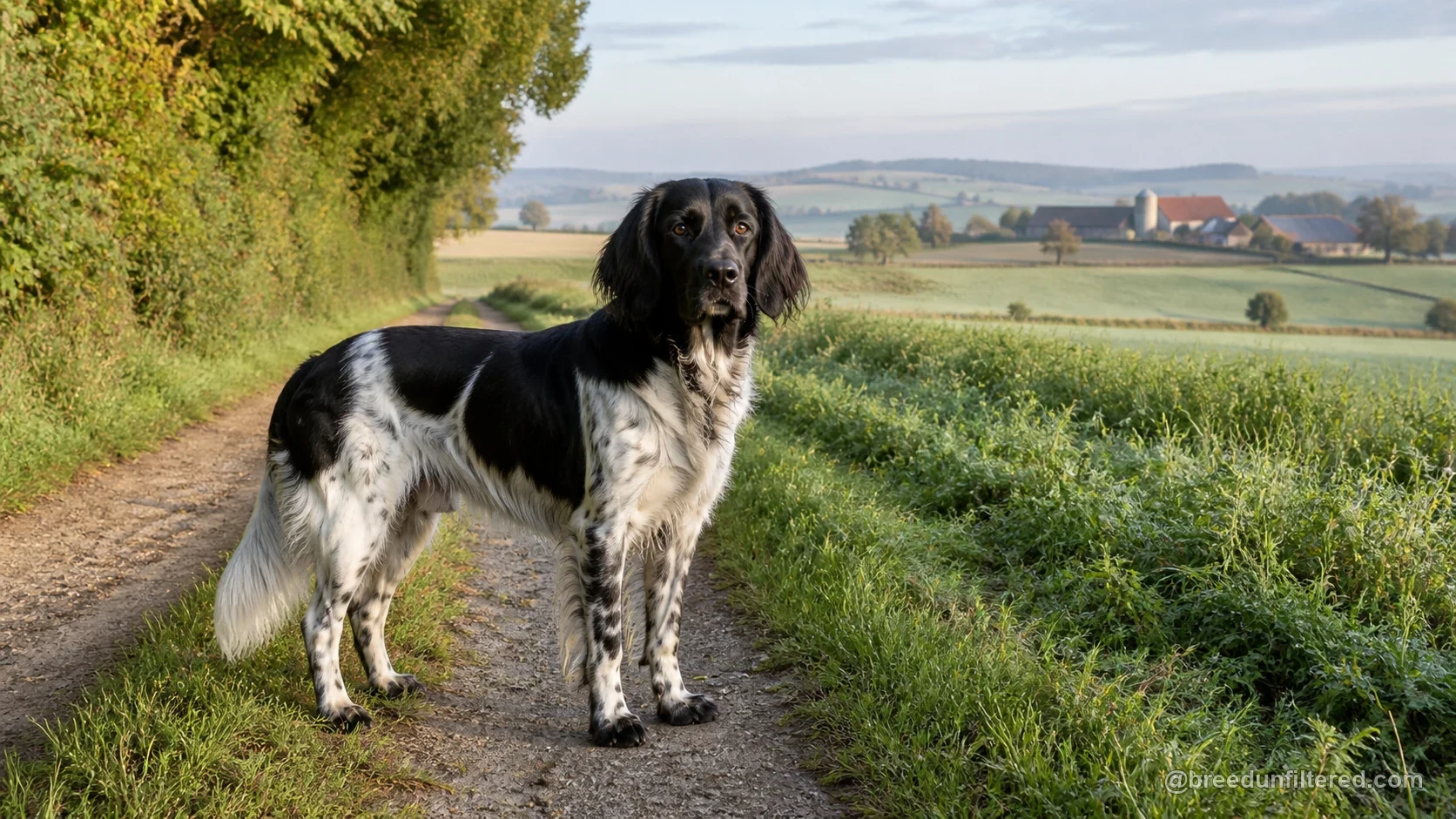
The Large Munsterlander is a versatile gundog that combines elegance with a strong work ethic. Originating from Germany, this breed was developed to be a reliable hunting companion, capable of pointing, retrieving, and working in varied terrain. Today, while still prized by hunters, the Large Munsterlander also finds a place in active homes that can meet its substantial exercise and mental stimulation needs.
Prospective owners should understand that this is not a couch potato. The Large Munsterlander thrives on purpose and activity, and without adequate outlets, it may develop its own entertainment. This article provides an evidence-conscious overview of the breed's characteristics, care requirements, and the responsibilities that come with sharing your life with this intelligent and energetic dog.
Origin and Purpose
The Large Munsterlander, known in German as Grosser Münsterländer, is a pointing dog that originated in the Münster region of Germany. It is recognized by the Fédération Cynologique Internationale (FCI) in Group 7, which covers pointing dogs. The breed's development focused on creating a versatile hunting dog that could work in forests, fields, and water, with a strong nose, stamina, and a cooperative nature.
While the exact history is not fully documented, the Large Munsterlander shares ancestry with other German long-haired pointing breeds. It was bred to be a practical working dog, and its physical traits—such as a sturdy build and a dense, water-resistant coat—reflect that purpose. Today, the breed remains primarily a working dog, but its intelligence and trainability have also earned it a following in dog sports and active family life.
Temperament and Variation
The Large Munsterlander is generally described as intelligent, energetic, and eager to please. Individual temperaments can vary, but the breed standard emphasizes a friendly and composed demeanor. As a hunting dog, it is often alert and responsive, with a strong desire to work closely with its handler. This bond is important, as the breed tends to thrive on human interaction and may become restless if left alone for long periods.
While many Large Munsterlanders are sociable and affectionate with their families, they can be reserved with strangers, though not typically aggressive. Early and ongoing socialization is key to helping them become well-adjusted adults. It is also worth noting that the breed's hunting instincts are strong, and they may have a high prey drive, which can influence their behavior around small animals if not managed.
Exercise and Mental Work
The Large Munsterlander is a high-energy breed that requires substantial daily exercise. This is not a dog that will be satisfied with a short stroll around the block. Activities such as long walks, jogging, hiking, or off-lead running in a safe area are often necessary to help burn off energy. However, the exact amount varies with age, health, and individual temperament, so owners should adjust based on their dog's cues.
Mental stimulation is equally important. This intelligent breed benefits from puzzle toys, nose work, obedience training, and activities that engage its problem-solving abilities. Without sufficient mental and physical outlets, a Large Munsterlander may become bored and develop undesirable behaviors like digging or excessive barking. Prospective owners should be prepared to invest time in both physical and mental enrichment.
Training and Socialisation
Training a Large Munsterlander can be a rewarding experience due to its intelligence and eagerness to learn. Positive reinforcement methods, such as treats and praise, tend to work well. However, the breed can be sensitive, so harsh corrections are generally counterproductive. Consistency and patience are essential, and early training helps channel the dog's energy into acceptable behaviors.
Socialisation is crucial from a young age. Exposing the puppy to a variety of people, animals, environments, and situations helps build a confident and well-mannered adult. Because of the breed's hunting background, it is especially important to teach reliable recall and impulse control. While many Large Munsterlanders get along with other dogs, their prey drive may make them unsuitable for homes with small pets unless carefully managed.
Family and Pets
The Large Munsterlander can be a loving family companion, often forming strong bonds with all household members. They are generally good with children, especially when raised with them, but as with any dog, supervision is recommended to ensure safe interactions. Their energetic nature means they may inadvertently knock over small children, so teaching both dog and child appropriate behavior is important.
When it comes to other pets, the picture is more nuanced. While many Large Munsterlanders live peacefully with other dogs, their hunting instincts can be triggered by smaller animals such as cats, rabbits, or birds. Early socialisation can help, but there is no guarantee. Prospective owners with small pets should be prepared to manage interactions carefully and provide secure containment.
Grooming and Health
The Large Munsterlander has a medium-length, dense coat that is weather-resistant. Regular brushing, about two to three times a week, helps remove loose hair and prevent mats, especially during shedding seasons. They are moderate shedders, and more frequent grooming may be needed during seasonal changes. Bathing should be done as needed, and routine ear checks are advisable, especially for dogs that swim.
As with many purebred dogs, the Large Munsterlander may be prone to certain health conditions, but responsible breeding practices can reduce risks. Hip dysplasia and some eye disorders are among the concerns that have been reported. Prospective owners should seek health clearances from breeders and be prepared for routine veterinary care. A balanced diet and regular exercise contribute to overall well-being.
Costs and Responsibility
Owning a Large Munsterlander involves significant financial and time commitments. Initial costs include the purchase price from a reputable breeder, which can vary, as well as supplies like crates, leashes, and grooming tools. Ongoing expenses include high-quality food, routine veterinary care, vaccinations, and preventive medications. Emergency medical costs should also be considered, and pet insurance may be a prudent investment.
Beyond finances, this breed demands a considerable investment of time and energy. Daily exercise, training, and mental stimulation are non-negotiable. Owners must also consider the dog's lifespan, which is typically around 10 to 12 years, and be prepared for the long-term commitment. For those who can meet these needs, the Large Munsterlander can be a devoted and capable companion.
Clear answers
FREQUENTLY ASKED QUESTIONS
Is the Large Munsterlander a good family dog?
The Large Munsterlander can be a good family dog for active households. They are generally affectionate and bond closely with their families, and they often do well with children when properly socialized. However, their high energy and strong hunting instincts require careful management, especially around small pets. Families should be prepared to provide ample exercise and mental stimulation.
How much exercise does a Large Munsterlander need?
The Large Munsterlander is a high-energy breed that needs substantial daily exercise. This typically includes at least an hour of vigorous activity, such as running, hiking, or playing fetch, but the exact amount varies with age and individual temperament. Mental exercise is equally important, as this intelligent breed can become bored and destructive without sufficient stimulation.
Are Large Munsterlanders easy to train?
Large Munsterlanders are intelligent and eager to please, which can make training rewarding. They respond well to positive reinforcement methods like treats and praise. However, they can be sensitive, so harsh corrections are not recommended. Consistency and early socialisation are key to developing a well-mannered adult. Their hunting instincts may require extra focus on recall and impulse control.
Do Large Munsterlanders get along with other pets?
Large Munsterlanders can get along with other dogs, especially if raised together. However, their prey drive may be strong, and they may not be trustworthy with small animals like cats, rabbits, or birds. Early socialisation can help, but there is no guarantee. Owners should supervise interactions and provide secure containment to prevent chasing or harm.
What are the grooming requirements for a Large Munsterlander?
The Large Munsterlander has a medium-length, dense coat that requires regular brushing, about two to three times a week, to remove loose hair and prevent mats. Shedding increases during seasonal changes, so more frequent grooming may be needed. Bathing should be done as needed, and routine ear checks are important, especially for dogs that swim.
Sources and further reading
Scores describe typical breed tendencies from 1 to 10. They are not a quality ranking or a prediction for an individual dog.
Size and presence6/10
CompactVery large
Physical strength5/10
LightExceptional
Energy level9/10
LowRelentless
Exercise demand10/10
ModestVery demanding
Mental work needed8/10
ModerateDaily job
Trainability9/10
ChallengingExceptional
Everyday manageability4/10
SpecialistStraightforward
First-time owner fit5/10
Poor fitGood fit
Family-life fit8/10
LimitedExcellent
Dog sociability8/10
SelectiveVery social
Prey drive10/10
LowVery high
Guarding tendency3/10
MinimalSerious
Independence4/10
Handler-focusedSelf-directed
Grooming demand4/10
LightHeavy
Apartment fit5/10
Poor fitGood fit