Complete breed guide
American Foxhound OWNERSHIP GUIDE
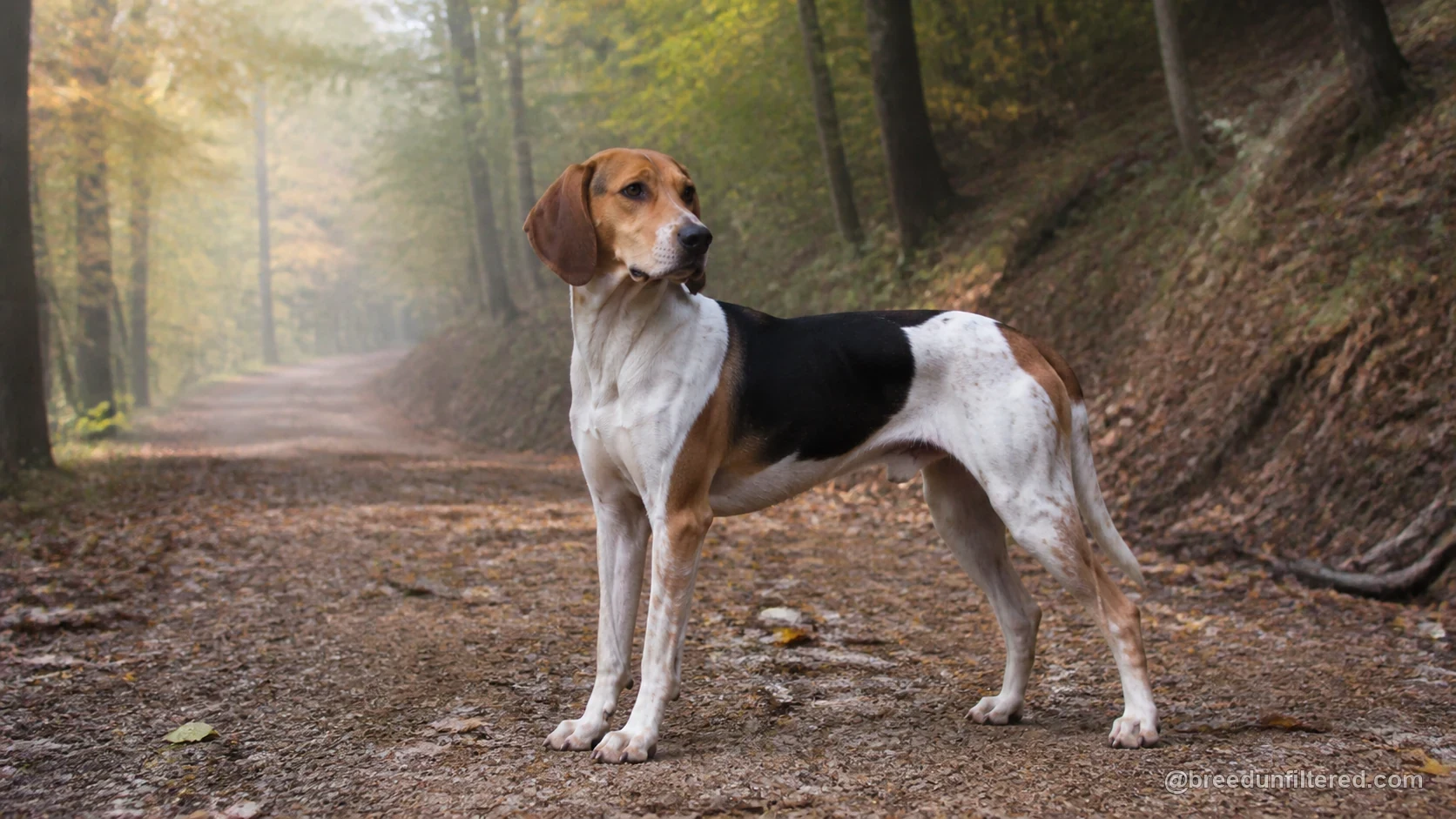
The American Foxhound is a breed with deep roots in American history, developed for stamina and a keen nose in the pursuit of foxes. Known for their friendly and even-tempered nature, these hounds are often described as more laid-back than their English counterparts, yet they retain a strong independent streak. Prospective owners should understand that this is a dog bred for the chase, not a typical companion, and their needs reflect that heritage.
This article provides an evidence-conscious overview of the American Foxhound, covering their origin, temperament, exercise and mental stimulation requirements, training, family compatibility, grooming, health considerations, and the financial and time commitments involved. While individual dogs vary, understanding the breed's typical tendencies is essential for anyone considering adding an American Foxhound to their home.
Origin and Purpose
The American Foxhound descends from English and French hounds brought to America in the 17th and 18th centuries. George Washington is famously credited with importing hounds to improve the breed, aiming for a dog with speed, endurance, and a superior nose suited to the American terrain. The breed was developed primarily for fox hunting, often in packs, and their physical traits reflect this purpose: a lean, athletic build and a voice that carries well over distance.
Today, the American Foxhound is recognized by the FCI in Group 6 (Scent Hounds) under standard number 303. While still used for hunting in some regions, they also participate in field trials and showing. Their historical role as a pack hound influences their social nature with other dogs, but it also means they are not typically suited to a life of leisure. Understanding this background is crucial for setting realistic expectations.
Temperament and Variation
American Foxhounds are generally described as friendly, gentle, and even-tempered. They are known for being good-natured with people, including children, and are typically not aggressive. However, they are also independent and can be stubborn, traits common in scent hounds. Their temperament can vary between individuals, with some being more outgoing and others more reserved, but they are rarely shy or aggressive.
It is important to note that the breed has two distinct lines: show lines and field lines. Field-bred Foxhounds are often more energetic and driven, with a higher prey drive, while show-bred dogs may be calmer and more adaptable to a companion role. Prospective owners should research the background of the specific dog they are considering, as this can significantly influence temperament and energy levels.
Exercise and Mental Work
The American Foxhound is a high-energy breed with substantial exercise needs. They were bred to run for hours, so a daily walk is insufficient. They require ample opportunities to run off-leash in a safe, fenced area, or participation in activities like lure coursing or tracking. Without adequate physical activity, they may become restless and develop destructive behaviors.
Mental stimulation is equally important. These intelligent hounds need challenges that engage their noses and minds, such as scent games, puzzle toys, or nose work. Boredom can lead to howling, digging, or attempts to escape. Owners should be prepared to provide both physical and mental outlets to keep their Foxhound content and well-adjusted.
Training and Socialisation
Training an American Foxhound requires patience and consistency. They are intelligent but independent, and they may not be as eager to please as some other breeds. Positive reinforcement methods, such as treats and praise, work best. Harsh corrections are counterproductive and can damage trust. Early obedience training is essential to establish basic manners and recall, though recall may never be reliable in the presence of a strong scent.
Socialisation is critical from a young age. Exposing the puppy to various people, environments, and other animals helps them develop into well-rounded adults. While they are generally good with other dogs, their prey drive can make them unsafe around small pets unless raised with them. Structured socialisation classes and controlled introductions can help manage these tendencies.
Family and Pets
American Foxhounds can make affectionate family companions, especially in active households. They are typically tolerant and gentle with children, though their size and exuberance might inadvertently knock over small toddlers. Supervision is always recommended. They thrive when included in family activities and can be quite devoted, though they may also be content to lounge after a good run.
Regarding other pets, their compatibility varies. They generally get along well with other dogs, thanks to their pack heritage. However, their strong prey drive means they may chase cats, rabbits, or other small animals. Early socialisation with cats can help, but it is not a guarantee. Prospective owners with small pets should exercise caution and consider the individual dog's background.
Grooming and Health
Grooming an American Foxhound is relatively low-maintenance. Their short, dense coat requires weekly brushing to remove loose hair and minimize shedding. They are moderate shedders, and occasional baths are sufficient. Regular ear checks are important, as their floppy ears can trap moisture and debris, potentially leading to infections. Nail trimming and dental care should be part of the routine.
As a breed, American Foxhounds are generally healthy, but they can be prone to certain conditions such as hip dysplasia, ear infections, and some eye disorders. Responsible breeders screen for these issues. Prospective owners should ask about health clearances for the parents. Regular veterinary check-ups and a balanced diet contribute to overall well-being, but no breed is immune to health problems.
Costs and Responsibility
Owning an American Foxhound involves significant financial and time commitments. Initial costs include the purchase price from a reputable breeder (which can vary widely) or adoption fees, plus supplies like a crate, bedding, and food. Ongoing expenses include high-quality dog food, routine veterinary care, vaccinations, and preventive medications. Unexpected medical costs should also be anticipated.
Beyond finances, the responsibility of providing adequate exercise, mental stimulation, and companionship is substantial. This breed is not suited for apartment living or for owners who are away for long hours. They need space to run and a secure, fenced yard. Prospective owners must be prepared for a long-term commitment of 10-12 years, ensuring they can meet the breed's needs throughout its life.
Clear answers
FREQUENTLY ASKED QUESTIONS
Are American Foxhounds good with children?
American Foxhounds are generally known for their gentle and tolerant nature, which can make them good companions for children. However, their size and energy can be overwhelming for very young kids, so supervision is recommended. Early socialisation and training help ensure positive interactions. As with any breed, individual temperament varies, so it's important to assess the specific dog.
How much exercise does an American Foxhound need?
American Foxhounds are a high-energy breed that requires substantial daily exercise. They were bred for endurance, so a short walk is not enough. They need at least an hour of vigorous activity, such as running in a securely fenced area, plus mental stimulation. Without adequate exercise, they may become bored and develop destructive behaviors like digging or howling.
Are American Foxhounds easy to train?
Training an American Foxhound can be challenging due to their independent and stubborn nature. They are intelligent but not always eager to please, so training requires patience and consistency. Positive reinforcement methods, such as treats and praise, are most effective. Early obedience training and socialisation are essential to manage their strong instincts and ensure they become well-mannered companions.
Do American Foxhounds get along with other pets?
American Foxhounds typically get along well with other dogs, as they are pack-oriented. However, their strong prey drive can make them unsafe around small animals like cats, rabbits, or guinea pigs, especially if not raised with them. Early socialisation can help, but it is not a guarantee. Prospective owners with small pets should carefully consider the individual dog's background and temperament.
What are the common health issues in American Foxhounds?
American Foxhounds are generally a healthy breed, but like all dogs, they can be prone to certain conditions. These may include hip dysplasia, ear infections, and some eye disorders such as cataracts. Responsible breeders screen for these issues. Regular veterinary check-ups, a balanced diet, and proper ear care can help maintain their health. It's important to discuss health clearances with breeders.
Sources and further reading
Scores describe typical breed tendencies from 1 to 10. They are not a quality ranking or a prediction for an individual dog.
Size and presence5/10
CompactVery large
Physical strength5/10
LightExceptional
Energy level9/10
LowRelentless
Exercise demand10/10
ModestVery demanding
Mental work needed8/10
ModerateDaily job
Trainability6/10
ChallengingExceptional
Everyday manageability2/10
SpecialistStraightforward
First-time owner fit3/10
Poor fitGood fit
Family-life fit7/10
LimitedExcellent
Dog sociability9/10
SelectiveVery social
Prey drive10/10
LowVery high
Guarding tendency3/10
MinimalSerious
Independence8/10
Handler-focusedSelf-directed
Grooming demand4/10
LightHeavy
Apartment fit4/10
Poor fitGood fit