Complete breed guide
Karst Shepherd Dog OWNERSHIP GUIDE
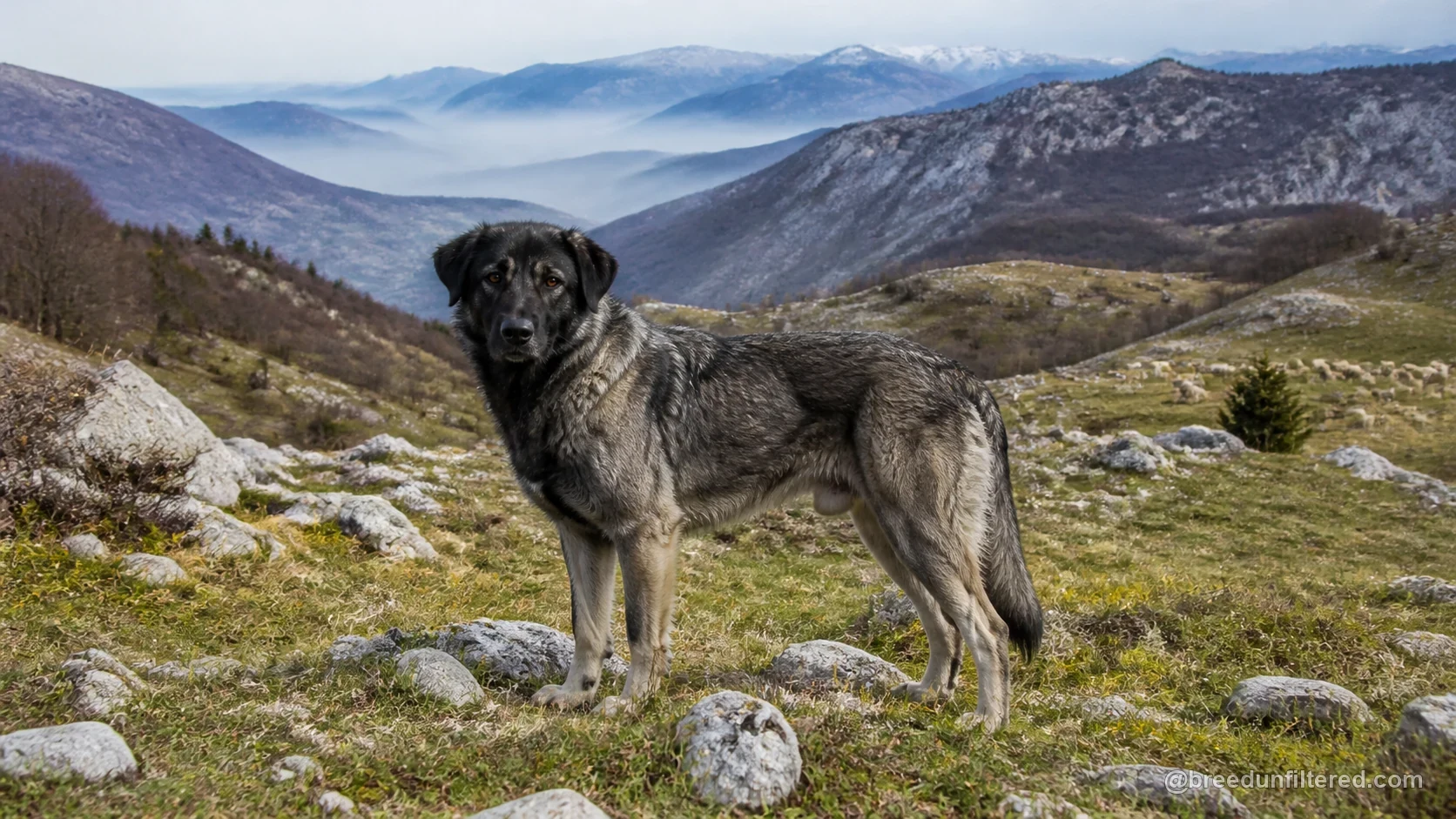
The Karst Shepherd Dog, also known as the Kraski Ovcar, is a large, powerful livestock guardian breed originating from the Karst Plateau in Slovenia. This ancient breed has been protecting flocks in the rugged, rocky terrain of the Dinaric Alps for centuries. With a calm and composed demeanor, the Karst Shepherd is a devoted companion and a formidable guardian, known for its loyalty and courage.
Despite its impressive working heritage, the Karst Shepherd remains relatively rare outside its homeland. Prospective owners should understand that this is a breed with strong guarding instincts, a need for meaningful work, and a deep bond with its family. This article provides an evidence-based overview of the breed's characteristics, care requirements, and suitability for various lifestyles, helping you make an informed decision.
Origin and Purpose
The Karst Shepherd Dog is one of the oldest indigenous breeds in Slovenia, with roots tracing back to the ancient Molosser-type dogs of the Balkans. Historically, these dogs were employed by shepherds to guard flocks of sheep against predators such as wolves and bears in the challenging Karst landscape. The breed's name derives from the Karst Plateau, a rocky region that has shaped its physical and mental resilience.
Recognized by the Fédération Cynologique Internationale (FCI) under standard number 278, the Karst Shepherd is classified in Group 2 (Pinscher and Schnauzer, Molossoid and Swiss Mountain Dogs). The breed's primary purpose has always been livestock protection, but today it also serves as a loyal family companion and a capable guardian of property. Its working heritage is evident in its calm, watchful nature and its strong protective instincts.
Temperament and Variation
The Karst Shepherd is known for its steady, composed temperament. It is typically reserved with strangers, displaying a natural suspicion that makes it an excellent watchdog. With its family, the breed is affectionate and devoted, often forming a particularly strong bond with one person. While individual dogs vary, the breed generally exhibits a calm and confident demeanor, not prone to excessive nervousness or aggression without cause.
As a guardian breed, the Karst Shepherd is independent and self-assured, capable of making decisions on its own. This independence can be both an asset and a challenge, as it may lead to stubbornness in training. Early and consistent socialization is crucial to ensure that the dog's natural wariness does not develop into fearfulness or overprotectiveness. With proper guidance, the Karst Shepherd is a reliable and trustworthy companion.
Exercise and Mental Work
The Karst Shepherd is not a high-energy breed in the sense of constant activity, but it does require regular, moderate exercise to maintain physical and mental well-being. Daily walks, combined with opportunities to explore and use its nose, are essential. The breed is well-suited to rural or suburban environments where it can have space to roam and patrol, though it can adapt to less spacious settings if its exercise needs are met.
Mental stimulation is equally important for this intelligent breed. Tasks that engage its problem-solving abilities, such as puzzle toys, scent work, or obedience training, help prevent boredom and destructive behaviors. The Karst Shepherd thrives when given a job to do, whether that is guarding a yard, participating in dog sports like tracking, or simply accompanying its owner on varied outings. Without adequate mental and physical engagement, the breed may become restless and develop unwanted habits.
Training and Socialisation
Training a Karst Shepherd requires patience, consistency, and a firm but gentle approach. This breed responds poorly to harsh methods, which can damage trust and exacerbate stubbornness. Positive reinforcement techniques, such as treats and praise, are most effective. Early obedience training is essential to establish leadership and clear boundaries, as the Karst Shepherd's independent nature can lead to selective hearing if not properly guided.
Socialisation from an early age is critical. Exposing the puppy to a wide variety of people, animals, and environments helps temper its natural wariness and ensures it grows into a well-adjusted adult. Puppy classes and controlled introductions to other dogs are recommended. A well-socialised Karst Shepherd is more likely to discriminate between genuine threats and everyday situations, making it a safer and more reliable companion.
Family and Other Pets
The Karst Shepherd can be a wonderful family dog for those who understand its needs. It is typically gentle and protective with children, especially when raised with them. However, due to its size and guarding instincts, supervision is advised when interacting with very young children. The breed's loyalty makes it a devoted family member, but it may be reserved with unfamiliar guests, which should be managed through training and socialisation.
With other pets, the Karst Shepherd's compatibility varies. Its livestock guardian heritage means it can coexist peacefully with other dogs and even cats if raised together. However, its strong prey drive may be triggered by small, fast-moving animals, so caution is warranted. Early and ongoing socialisation with other pets is essential to foster harmonious relationships. Potential owners should be prepared to manage introductions carefully and provide a structured environment.
Grooming and Health
The Karst Shepherd has a thick, double coat that requires regular grooming. Weekly brushing is necessary to remove loose hair and prevent matting, with more frequent attention during seasonal shedding periods. The breed is a moderate shedder, and its coat is designed to protect against harsh weather. Bathing should be infrequent to preserve natural oils, and routine care such as nail trimming, ear cleaning, and dental hygiene should not be overlooked.
As a relatively healthy breed, the Karst Shepherd has a lifespan of around 11 to 13 years. However, like all large breeds, it may be predisposed to certain conditions such as hip dysplasia and bloat. Responsible breeders screen their breeding stock for hereditary issues. Prospective owners should seek a reputable breeder who prioritizes health testing and provides a health guarantee. Regular veterinary check-ups and a balanced diet are key to maintaining the dog's well-being.
Costs and Responsibility
Owning a Karst Shepherd is a long-term commitment that involves significant financial and time investments. Initial costs include the purchase price, which can be substantial for a rare breed, as well as supplies such as a crate, bedding, and grooming tools. Ongoing expenses include high-quality food, routine veterinary care, vaccinations, and preventive medications. Emergency medical costs and pet insurance should also be considered.
Beyond finances, the Karst Shepherd requires a dedicated owner who can provide ample time for exercise, training, and companionship. This breed is not suited to a sedentary lifestyle or prolonged periods of isolation. Prospective owners must be prepared for a dog that will be a constant presence, both physically and mentally. Responsible ownership also involves proper containment, such as a securely fenced yard, and adherence to local regulations regarding dog ownership. The Karst Shepherd is a rewarding companion for those who can meet its needs.
Clear answers
FREQUENTLY ASKED QUESTIONS
Is the Karst Shepherd a good family dog?
The Karst Shepherd can be a good family dog for experienced owners who understand its guarding nature. It is typically loyal and protective of its family, including children, but its size and strong instincts require supervision with young kids. Early socialisation and training are essential to ensure it behaves appropriately around guests and in various situations.
How much exercise does a Karst Shepherd need?
The Karst Shepherd needs moderate daily exercise, such as long walks or play sessions, to stay physically and mentally fit. It is not a hyperactive breed, but it does require regular activity to prevent boredom. Mental challenges, like puzzle toys or training exercises, are equally important to keep this intelligent dog engaged.
Are Karst Shepherds good with other dogs?
Karst Shepherds can get along with other dogs, especially if they are raised together. However, their guarding instincts and potential for same-sex aggression may arise. Proper socialisation from puppyhood and careful introductions are necessary. They may be more tolerant of dogs they know, but supervision is always recommended.
What is the grooming requirement for a Karst Shepherd?
The Karst Shepherd has a thick double coat that requires weekly brushing to remove loose hair and prevent tangles. During shedding seasons, more frequent brushing is needed. They are moderate shedders. Bathing should be done only when necessary, and routine care like nail trimming and ear cleaning should be part of the grooming regimen.
Is the Karst Shepherd suitable for first-time dog owners?
The Karst Shepherd is generally not recommended for first-time owners due to its independent nature and strong guarding instincts. It requires an experienced handler who can provide consistent training and firm leadership. Novice owners may find the breed challenging, but with dedication and professional guidance, some may succeed.
Sources and further reading
Scores describe typical breed tendencies from 1 to 10. They are not a quality ranking or a prediction for an individual dog.
Size and presence8/10
CompactVery large
Physical strength9/10
LightExceptional
Energy level7/10
LowRelentless
Exercise demand7/10
ModestVery demanding
Mental work needed7/10
ModerateDaily job
Trainability6/10
ChallengingExceptional
Everyday manageability1/10
SpecialistStraightforward
First-time owner fit3/10
Poor fitGood fit
Family-life fit6/10
LimitedExcellent
Dog sociability3/10
SelectiveVery social
Prey drive8/10
LowVery high
Guarding tendency10/10
MinimalSerious
Independence8/10
Handler-focusedSelf-directed
Grooming demand5/10
LightHeavy
Apartment fit3/10
Poor fitGood fit