Complete breed guide
Greyhound OWNERSHIP GUIDE
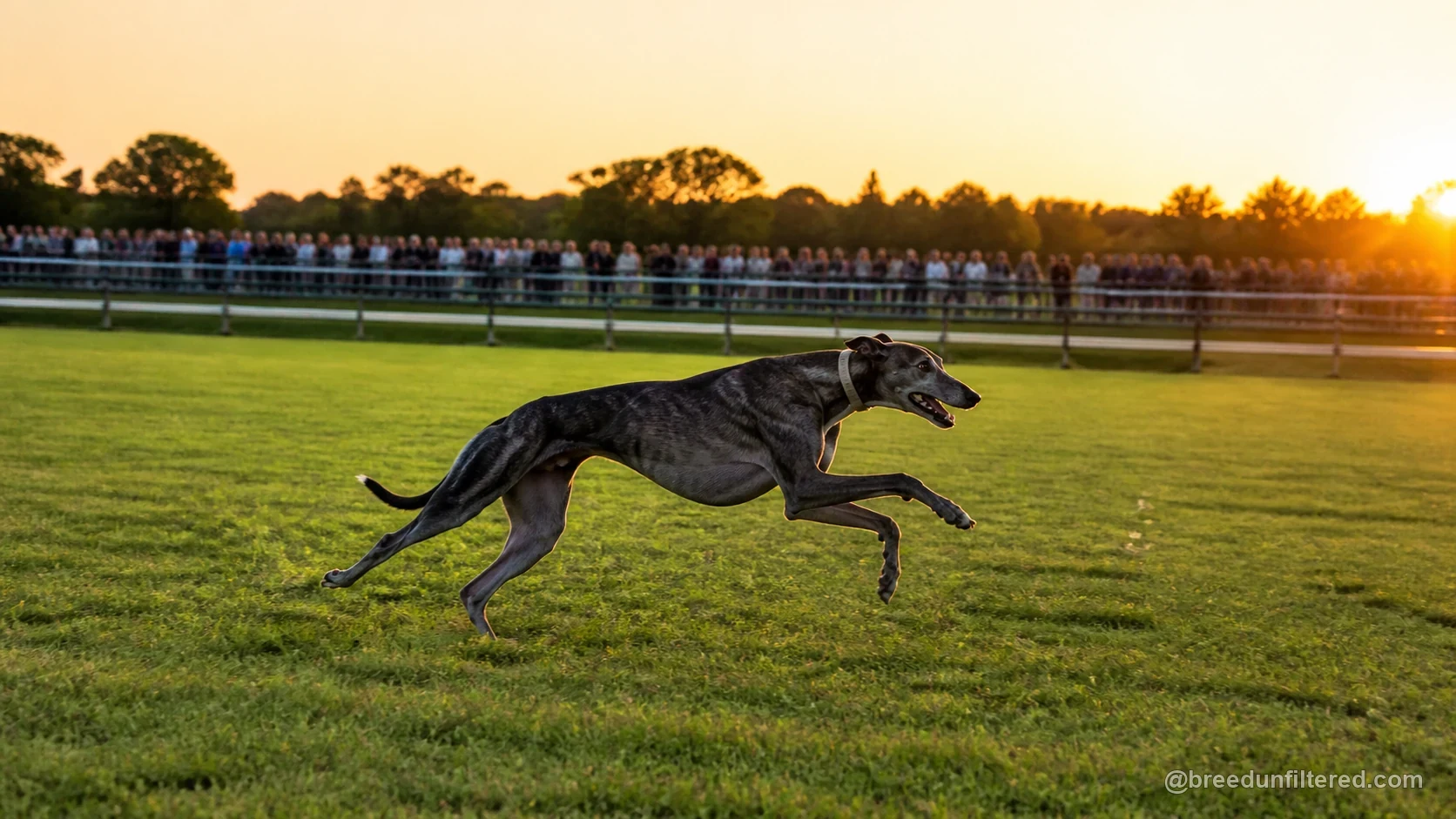
The Greyhound is a breed that evokes images of speed and elegance, yet those who share their homes with these dogs know a quieter, more affectionate side. As the fastest dog breed, capable of reaching speeds up to 45 miles per hour, the Greyhound is a marvel of canine athleticism. However, this athleticism is often balanced by a surprisingly laid-back demeanor indoors, earning them the nickname '45-mph couch potato.' This combination of speed and serenity makes them unique companions for the right households.
Originating as hunting and coursing dogs, Greyhounds have a history that spans thousands of years, with depictions found in ancient Egyptian tombs. Today, they are beloved pets, often adopted from racing careers, and they bring a gentle, dignified presence to their families. Understanding their specific needs—from their sensitive nature to their strong prey drive—is essential for anyone considering adding a Greyhound to their life. This guide provides an evidence-conscious overview of the breed, helping prospective owners make an informed decision.
Origin and Purpose
The Greyhound is one of the oldest dog breeds, with a lineage that can be traced back over 4,000 years to ancient Egypt, where they were revered for their hunting prowess. Their primary role was coursing—chasing game by sight across open terrain. This purpose shaped their distinctive physique: a deep chest, slender waist, and powerful hindquarters, all designed for explosive acceleration and endurance. The breed's name is believed to derive from the Old English 'grei,' meaning dog, or possibly from the Latin 'gradus,' meaning degree, reflecting their high standing.
Over centuries, Greyhounds spread across Europe, becoming favorites of nobility and eventually finding a role in the sport of coursing, which later evolved into modern greyhound racing. While racing has been a significant part of their recent history, the breed's original purpose as a hunter and companion remains. Today, many Greyhounds are retired racers, transitioning to life as pets. Their history as working dogs means they are accustomed to human handling and often adapt well to home life, though their background can influence their behavior and needs.
Temperament and Variation
Greyhounds are known for their gentle, affectionate, and even-tempered nature. They are typically quiet and calm indoors, often described as 'couch potatoes' who enjoy lounging for hours. They form strong bonds with their families and are generally good with children, though their sensitivity means they thrive in calm, predictable environments. Individual temperaments can vary, influenced by genetics, upbringing, and past experiences, especially for retired racers who may need time to adjust to home life.
While the breed standard is consistent, there are variations in size and coat color. Greyhounds come in a wide range of colors, including black, white, fawn, blue, and brindle. Some may have a slightly more independent streak, while others are more clingy. It's important for prospective owners to meet a few Greyhounds to get a sense of the breed's typical temperament and to consider adopting an adult dog whose personality is already evident. This can help ensure a good match for the household.
Exercise and Mental Work
Despite their speed, Greyhounds do not require excessive exercise. They are sprinters, not endurance athletes, and typically enjoy short bursts of activity followed by long naps. A daily walk or two, along with a safe opportunity to run in a securely fenced area, is often sufficient. Because of their strong prey drive, off-leash running in unenclosed spaces is risky, as they may chase small animals without recall. Mental stimulation is equally important; puzzle toys, scent games, and training sessions can help keep their minds sharp.
Greyhounds are sensitive to extreme temperatures due to their thin coats and low body fat. In cold weather, they need a coat or sweater, and in hot weather, exercise should be limited to cooler times of day. Their exercise needs are moderate, but they do appreciate a comfortable, soft bed to rest on after activity. Owners should be mindful of their dog's individual energy levels, which can vary, and adjust accordingly. Overall, a balanced routine of physical and mental engagement supports their well-being.
Training and Socialisation
Greyhounds are intelligent and generally eager to please, but they can be sensitive and respond best to positive reinforcement methods. Harsh corrections can cause them to shut down or become anxious. Training should be consistent, patient, and reward-based, using treats and praise. They are often food-motivated, which aids in training. Basic obedience is important, and many Greyhounds excel in activities like lure coursing, which taps into their natural instincts in a controlled setting.
Early and ongoing socialisation is crucial to help Greyhounds become well-adjusted adults. Exposing them to various people, environments, and other animals in a positive way can reduce shyness or fearfulness. While they are generally sociable with other dogs, their prey drive means they may not be suitable for homes with small pets like cats or rabbits, though some can live peacefully with cats if raised together. Professional training classes can be beneficial, especially for first-time owners, to build a strong foundation.
Family and Other Pets
Greyhounds can make wonderful family pets, known for their gentle and patient demeanor with children. They are typically not aggressive and are more likely to walk away from rough handling than to react negatively. However, as with any dog, interactions with young children should be supervised to ensure safety for both. Their size and fragility mean they can be easily injured by accidental falls or rough play, so teaching children how to interact respectfully is essential.
Regarding other pets, Greyhounds have a strong prey drive, which can be a challenge in homes with small animals. They may view cats, rabbits, or small dogs as prey, though many Greyhounds can live peacefully with cats if introduced carefully and given time. Their sociability with other dogs is generally good, and they often enjoy the company of a canine companion. Prospective owners should consider their existing pets and the individual Greyhound's history, especially if adopting a retired racer, to ensure a harmonious household.
Grooming and Health
Greyhounds have a short, smooth coat that is easy to groom. Weekly brushing with a soft brush or hound glove helps remove loose hair and keep their coat shiny. They are moderate shedders. Their skin is thin and sensitive, so they may need protection from sunburn and cold. Regular nail trimming, ear cleaning, and dental care are part of routine maintenance. Bathing should be infrequent to avoid drying their skin, using a mild dog shampoo when needed.
As a breed, Greyhounds are generally healthy, but they are prone to certain conditions, including bloat (gastric dilatation-volvulus), which is a medical emergency. They also have a higher risk of bone cancer (osteosarcoma) and may experience dental issues. Their low body fat makes them sensitive to anesthesia, so any veterinary procedure requires an experienced professional. Regular veterinary check-ups, a balanced diet, and appropriate exercise can help maintain their health. Prospective owners should be aware of these potential health concerns and ensure they have access to a vet familiar with the breed.
Costs and Responsibility
Owning a Greyhound involves financial and time commitments. Initial costs include adoption fees or purchase price, which can vary widely. Ongoing expenses include high-quality food, routine veterinary care, vaccinations, flea and tick prevention, and pet insurance. Greyhounds may require a coat for cold weather, and their bedding should be orthopedic to support their joints. Emergency medical care, especially for conditions like bloat, can be costly, so planning for unexpected expenses is wise.
Beyond finances, responsible ownership means providing a safe environment, adequate exercise, and mental stimulation. Greyhounds are not suited to living outdoors; they need to be indoor companions. Their sensitive nature requires a gentle, patient owner who can commit to training and socialisation. Adopting a retired racer is a rewarding option, but it comes with the responsibility of helping the dog adjust to a new life. Prospective owners should research the breed thoroughly, consider their lifestyle, and be prepared for a long-term commitment of 10-14 years.
Clear answers
FREQUENTLY ASKED QUESTIONS
Are Greyhounds good with children?
Greyhounds are generally gentle and patient with children, but their size and sensitivity mean interactions should be supervised. They are not typically aggressive, but they can be easily startled or injured by rough play. Teaching children to approach and handle the dog calmly is important. As with any breed, individual temperament varies, so it's best to assess the specific dog's personality and history.
Do Greyhounds need a lot of exercise?
Greyhounds have moderate exercise needs. They are sprinters, so they enjoy short bursts of running, but they are also content to lounge for much of the day. A daily walk or two, plus a safe opportunity to run in a fenced area, is typically sufficient. Because of their prey drive, off-leash running in unenclosed spaces is not recommended. Their exercise should be adjusted based on weather and individual energy levels.
Can Greyhounds live with cats?
Some Greyhounds can live peacefully with cats, especially if they are raised together or have a history of living with cats. However, their strong prey drive means they may see cats as prey, so introductions should be gradual and supervised. Many retired racers are tested for cat tolerance before adoption. It's essential to consider the individual dog's background and to provide a safe space for the cat.
Are Greyhounds easy to train?
Greyhounds are intelligent and can be trained with positive reinforcement, but they can be sensitive and independent. They respond well to treats and praise, but harsh methods can be counterproductive. Consistency and patience are key. They may not be as eager to please as some other breeds, but they are capable of learning basic obedience and can excel in activities like lure coursing.
What health issues are common in Greyhounds?
Greyhounds are generally healthy, but they are prone to certain conditions, including bloat (gastric dilatation-volvulus), which is a life-threatening emergency. They also have a higher risk of bone cancer (osteosarcoma) and may experience dental issues. Their low body fat makes them sensitive to anesthesia, so veterinary care should be provided by professionals familiar with the breed. Regular check-ups and a healthy lifestyle can help mitigate risks.
Sources and further reading
Scores describe typical breed tendencies from 1 to 10. They are not a quality ranking or a prediction for an individual dog.
Size and presence6/10
CompactVery large
Physical strength7/10
LightExceptional
Energy level8/10
LowRelentless
Exercise demand8/10
ModestVery demanding
Mental work needed6/10
ModerateDaily job
Trainability6/10
ChallengingExceptional
Everyday manageability4/10
SpecialistStraightforward
First-time owner fit4/10
Poor fitGood fit
Family-life fit6/10
LimitedExcellent
Dog sociability8/10
SelectiveVery social
Prey drive10/10
LowVery high
Guarding tendency2/10
MinimalSerious
Independence8/10
Handler-focusedSelf-directed
Grooming demand3/10
LightHeavy
Apartment fit5/10
Poor fitGood fit