Complete breed guide
Auvergne Pointer OWNERSHIP GUIDE
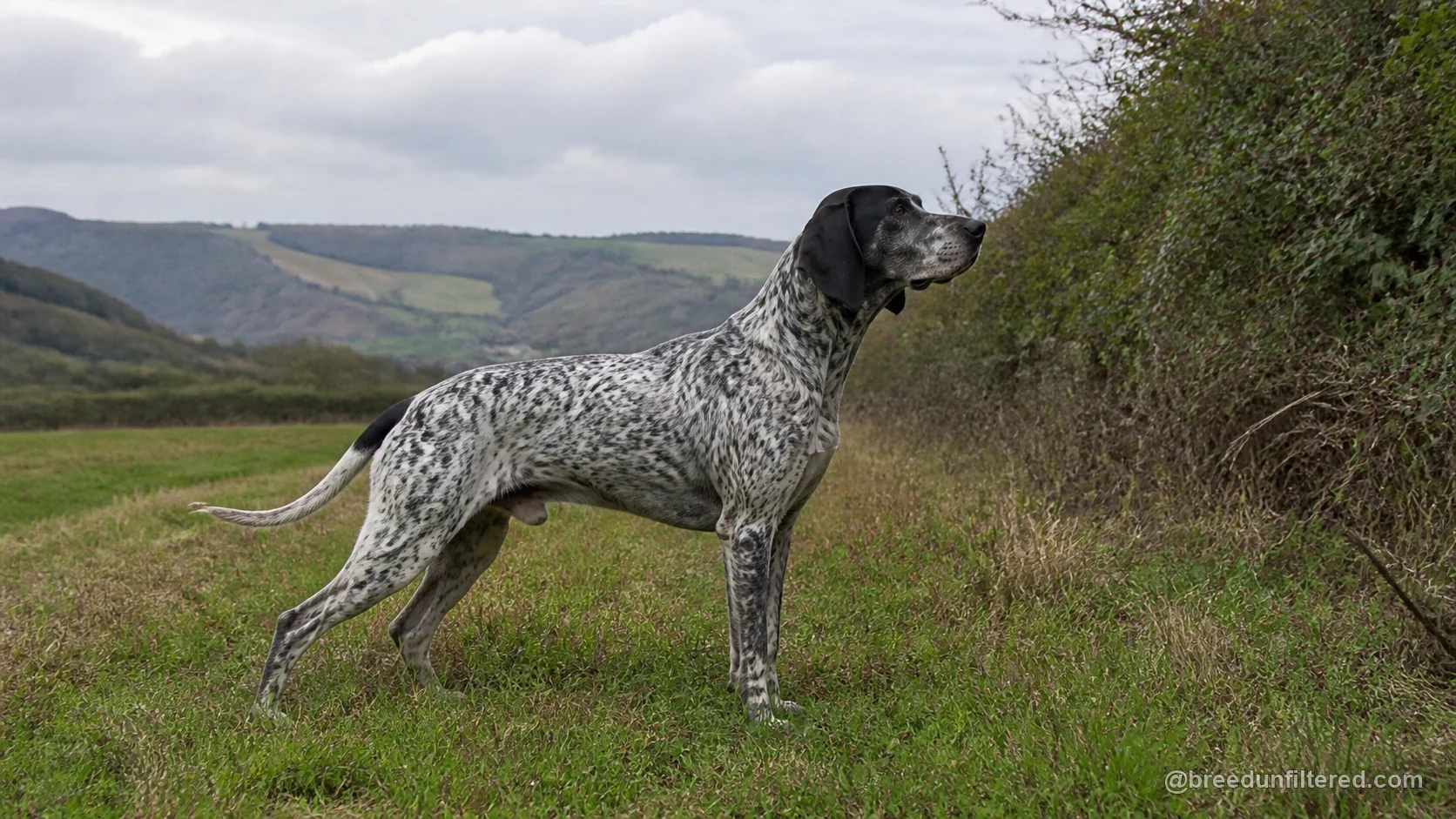
The Auvergne Pointer, known officially as the Braque d'Auvergne, is a versatile French gundog with a striking black-and-white coat and a reputation for being a dedicated hunting companion. Originating from the Auvergne region in central France, this breed has been refined over centuries to work closely with hunters, pointing and retrieving game with enthusiasm and precision. While still relatively rare outside its homeland, the Auvergne Pointer is gaining admirers for its loyal and affectionate nature, making it a potential match for active families and sportsmen alike.
Before welcoming an Auvergne Pointer into your home, it's essential to understand the breed's inherent traits and requirements. These dogs are energetic, intelligent, and deeply bonded to their people, thriving in environments where they receive ample physical and mental stimulation. They are not suited to a sedentary lifestyle or apartment living without significant outdoor access. This article provides a balanced overview of the breed's history, temperament, care needs, and potential challenges, helping you make an informed decision about whether the Auvergne Pointer is the right companion for you.
Origin and Purpose
The Auvergne Pointer's roots trace back to the volcanic plateaus of the Auvergne region in central France, where it was developed as a pointing dog for upland game birds. The breed is believed to have descended from ancient French pointing dogs, possibly with influences from Spanish and Italian breeds, and was refined over generations to suit the local terrain and hunting style. The Fédération Cynologique Internationale (FCI) recognized the breed definitively under standard number 180, and it remains a cherished working dog in France, though it is still uncommon in many other countries.
Historically, the Auvergne Pointer was prized for its ability to work in dense cover and rugged landscapes, using its keen nose and methodical hunting style to locate and point game. Today, the breed continues to excel in the field, participating in hunting trials and working as a reliable companion for hunters. Its dual-purpose nature—both as a skilled hunter and a devoted family dog—makes it a unique choice for those who appreciate a dog with a strong work ethic and a gentle disposition at home.
Temperament and Variation
Auvergne Pointers are generally known for their balanced and affectionate temperament. They form strong bonds with their families and are often described as gentle and loyal, though they can be reserved with strangers. As a hunting breed, they possess a natural enthusiasm for outdoor activities and a keen prey drive, which can manifest in chasing small animals if not properly managed. Individual temperament can vary, influenced by genetics, socialization, and training, so it's important to meet the parents and observe the puppy's behavior when possible.
While the breed standard describes a consistent type, there can be variation in energy levels and sociability among individuals. Some Auvergne Pointers may be more outgoing, while others are more cautious. Early and ongoing socialization is crucial to help them develop into well-rounded adults. They are not typically aggressive, but their guarding instincts may lead them to alert their owners to strangers. Understanding these nuances can help prospective owners prepare for the unique personality of their Auvergne Pointer.
Exercise and Mental Work
The Auvergne Pointer is a high-energy breed that requires substantial daily exercise to maintain physical and mental well-being. As a gundog, it thrives on activities that mimic its hunting heritage, such as running, fetching, and scent work. A typical day should include at least one long, vigorous walk or jog, plus opportunities for off-leash exercise in a safe, enclosed area. Without adequate exercise, these dogs may become restless and develop behavioral issues like excessive barking or chewing.
Mental stimulation is equally important for this intelligent breed. Puzzle toys, obedience training, and nose games can help keep their minds engaged. Activities like agility, tracking, or even participation in hunting trials can provide an excellent outlet for their natural instincts. Prospective owners should be prepared to dedicate time each day to both physical and mental challenges, as a bored Auvergne Pointer is unlikely to be a content one.
Training and Socialisation
Auvergne Pointers are intelligent and eager to please, which generally makes them responsive to training. However, they can also be sensitive, so positive reinforcement methods—such as treats, praise, and play—tend to work best. Harsh corrections may damage their trust and willingness to work. Consistency and patience are key, and early training should focus on basic obedience, recall, and impulse control. Because they are hunting dogs, teaching a reliable recall is especially important to ensure safety during off-leash activities.
Socialisation from a young age is vital to help Auvergne Pointers become confident and well-mannered around people, other dogs, and various environments. Exposing them to different sights, sounds, and experiences in a positive way can reduce the likelihood of fearfulness or reactivity. Puppy classes and regular outings to busy places can be beneficial. With proper socialisation, they can learn to coexist peacefully with other pets, though their prey drive may still be triggered by small animals.
Family and Pets
Auvergne Pointers can make wonderful family dogs for active households. They are typically gentle and patient with children, especially when raised with them, and they enjoy being included in family activities. Their affectionate nature means they often want to be close to their human companions, and they may not do well if left alone for long periods. Families should be prepared to provide plenty of attention and exercise to keep their Auvergne Pointer happy.
When it comes to other pets, the Auvergne Pointer's compatibility depends on early socialisation and individual temperament. They generally get along with other dogs, particularly if introduced properly. However, their hunting instincts may lead them to chase cats or small animals, so caution is advised. With consistent training and supervision, some Auvergne Pointers can live peacefully with cats, but it is not guaranteed. Prospective owners with small pets should assess the dog's prey drive and seek guidance from breeders or trainers.
Grooming and Health
The Auvergne Pointer has a short, dense coat that is relatively low-maintenance. Weekly brushing with a soft bristle brush or grooming mitt can help remove loose hair and keep the coat healthy. They shed moderately, and more frequent brushing may be needed during seasonal changes. Bathing should be done only when necessary to avoid stripping natural oils. Routine care includes regular ear cleaning, nail trimming, and dental hygiene to prevent common issues.
As a breed, the Auvergne Pointer is generally robust, but like all dogs, they may be prone to certain health conditions. Responsible breeders screen for hip dysplasia and eye disorders, among other concerns. Regular veterinary check-ups and a balanced diet are essential to maintain overall health. Prospective owners should be aware that the breed's high energy levels require a nutritious diet appropriate for their activity level. While no breed is free from health issues, choosing a reputable breeder who performs health testing can reduce risks.
Costs and Responsibility
Owning an Auvergne Pointer involves significant financial and time commitments. Initial costs include the purchase price from a reputable breeder, which can be substantial due to the breed's rarity, as well as supplies such as a crate, bedding, and food. Ongoing expenses include high-quality dog food, routine veterinary care, vaccinations, and preventive medications. Additionally, owners should budget for potential emergency medical costs and consider pet insurance to mitigate unexpected expenses.
Beyond finances, responsible ownership requires a dedication to meeting the breed's exercise, training, and companionship needs. Auvergne Pointers are not suited to a sedentary lifestyle or being left alone for extended periods. Prospective owners should assess their living situation, schedule, and ability to provide a stimulating environment. It is also important to consider the ethical implications of acquiring a dog, such as supporting responsible breeders or rescue organizations. Being prepared for the long-term commitment of 10 to 12 years is essential for a fulfilling relationship.
Clear answers
FREQUENTLY ASKED QUESTIONS
Are Auvergne Pointers good with children?
Auvergne Pointers can be good with children, especially when raised together and properly socialized. They are generally gentle and affectionate, but their high energy may be overwhelming for very young kids. Supervision and teaching children how to interact respectfully with dogs are important. As with any breed, individual temperament varies, so early socialization and training are key to fostering a positive relationship.
How much exercise does an Auvergne Pointer need?
Auvergne Pointers are high-energy dogs that need substantial daily exercise, typically at least an hour or more of vigorous activity. This can include running, hiking, or playing fetch. They also benefit from mental stimulation like puzzle toys or scent work. Without enough exercise, they may become restless and develop behavioral issues. Prospective owners should be prepared to commit to an active lifestyle.
Are Auvergne Pointers easy to train?
Auvergne Pointers are intelligent and eager to please, which can make training relatively straightforward with positive reinforcement methods. However, they can be sensitive, so harsh corrections should be avoided. Consistency and patience are important, and early socialization and obedience training are recommended. Their hunting instincts may require extra focus on recall and impulse control.
Do Auvergne Pointers get along with other dogs?
Auvergne Pointers generally get along well with other dogs, especially if they are socialized from a young age. They are often sociable and enjoy the company of canine companions. However, their prey drive may be triggered by smaller animals, so introductions should be managed carefully. Individual temperament varies, so it's important to monitor interactions and provide proper training.
What are the common health issues in Auvergne Pointers?
Auvergne Pointers are generally healthy, but like many breeds, they may be prone to certain conditions such as hip dysplasia and eye disorders. Responsible breeders screen for these issues to reduce the risk. Regular veterinary check-ups and a healthy lifestyle can help maintain their well-being. Prospective owners should ask breeders about health testing and be prepared for potential medical costs.
Sources and further reading
Scores describe typical breed tendencies from 1 to 10. They are not a quality ranking or a prediction for an individual dog.
Size and presence6/10
CompactVery large
Physical strength6/10
LightExceptional
Energy level9/10
LowRelentless
Exercise demand10/10
ModestVery demanding
Mental work needed8/10
ModerateDaily job
Trainability9/10
ChallengingExceptional
Everyday manageability5/10
SpecialistStraightforward
First-time owner fit5/10
Poor fitGood fit
Family-life fit8/10
LimitedExcellent
Dog sociability8/10
SelectiveVery social
Prey drive9/10
LowVery high
Guarding tendency3/10
MinimalSerious
Independence4/10
Handler-focusedSelf-directed
Grooming demand4/10
LightHeavy
Apartment fit5/10
Poor fitGood fit