Complete breed guide
Clumber Spaniel OWNERSHIP GUIDE
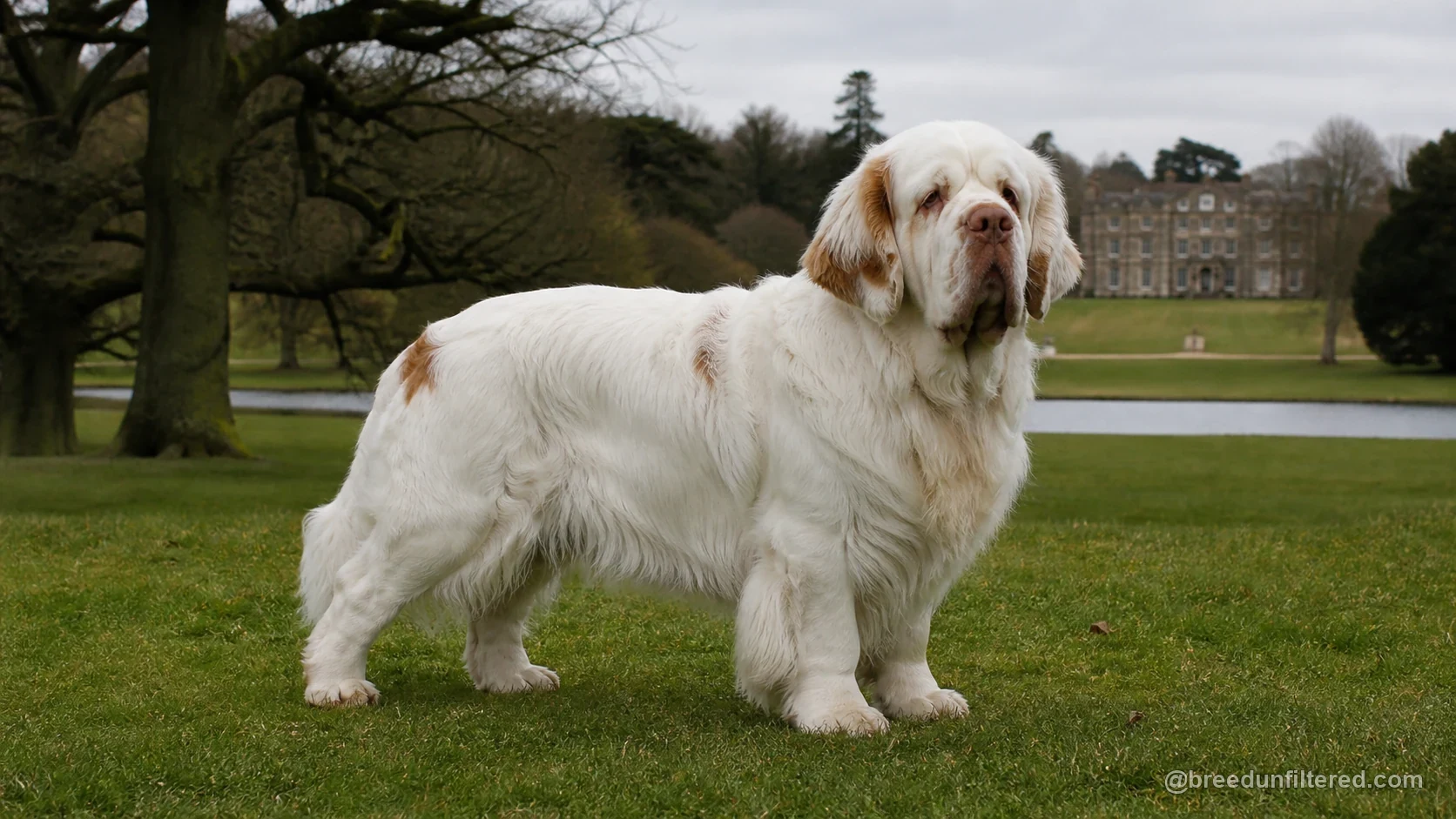
The Clumber Spaniel is a distinctive and substantial gundog, recognized for its heavy-boned, low-slung build and its calm, deliberate approach to work. Originating in England and named after Clumber Park in Nottinghamshire, this breed has a long history as a flushing spaniel, prized for its ability to work dense cover and retrieve game. Its appearance is unique among spaniels, with a broad head, deep chest, and a dense, weather-resistant coat that is predominantly white with lemon or orange markings.
For prospective owners, the Clumber Spaniel offers a blend of gentle companionship and a strong work ethic. They are known for their affectionate and loyal nature, often described as 'clowns' within the family, yet they retain a certain dignity and reserve. However, their substantial size, moderate energy levels, and specific grooming and health considerations mean they are not a breed to be chosen lightly. This guide provides an evidence-based overview of what to expect when welcoming a Clumber Spaniel into your life.
Origin and Purpose
The Clumber Spaniel's exact origins are somewhat debated, but it is widely accepted that the breed was developed in the late 18th century at Clumber Park, the estate of the Duke of Newcastle. The breed is thought to have descended from early spaniel types, possibly with influences from Alpine Spaniels and Basset Hounds, which contributed to its heavy bone and low stature. The Clumber was bred to work in thick undergrowth and to flush game for hunters, often working in packs.
Today, the Clumber Spaniel is still used as a working gundog in some circles, but it is more commonly seen as a companion and show dog. The breed's purpose has evolved, yet its natural instincts for flushing and retrieving remain strong. The FCI standard (No. 109) classifies the Clumber Spaniel in Group 8, Retrievers – Flushing Dogs – Water Dogs, Section 2, Flushing Dogs, and it is recognized as a definitive breed. This heritage influences the breed's temperament and needs, which are important for prospective owners to understand.
Temperament and Variation
Clumber Spaniels are generally known for their calm, gentle, and affectionate temperament. They tend to be devoted to their families and are often described as 'velcro dogs' that enjoy being close to their people. They are typically good-natured and patient, which can make them suitable companions for families, though individual variation exists. Some Clumbers may be more reserved or independent, while others are more outgoing and playful.
It is important to recognize that temperament is influenced by genetics, socialization, and training. While the breed standard describes a typical Clumber as dignified and somewhat aloof with strangers, early and ongoing socialization can help them become well-adjusted adults. Prospective owners should meet the parents of a puppy if possible and work with reputable breeders who prioritize temperament. As with any breed, there is no guarantee of a specific personality, but understanding the breed's general tendencies can help set realistic expectations.
Exercise and Mental Work
Clumber Spaniels have moderate exercise needs compared to other sporting breeds. They are not hyperactive, but they do require daily physical activity to maintain a healthy weight and to satisfy their natural instincts. A couple of walks per day, combined with some off-lead time in a secure area, can be sufficient for many adults. However, they are prone to obesity, so regular exercise is essential. Puppies and young dogs may have bursts of energy, but they generally settle into a calm demeanor indoors.
Mental stimulation is equally important for this intelligent breed. Clumbers enjoy activities that engage their noses and minds, such as scent work, puzzle toys, and basic obedience training. They can also participate in dog sports like rally, obedience, and even tracking. Without adequate mental and physical outlets, they may become bored and develop undesirable behaviors. Prospective owners should be prepared to provide a balanced routine that includes both exercise and mental challenges to keep their Clumber content.
Training and Socialisation
Training a Clumber Spaniel requires patience and consistency. They are intelligent but can be somewhat stubborn and independent, which may present challenges for novice owners. Positive reinforcement methods, such as treats and praise, work best, as harsh corrections can shut down their willingness to learn. Early training should focus on basic obedience and impulse control. Because they are bred to work independently in the field, they may not always be eager to please, but they respond well to a calm and firm approach.
Socialisation is crucial from a young age. Exposing a Clumber puppy to a variety of people, animals, environments, and sounds helps them develop into confident and well-mannered adults. They are generally good with other dogs and pets, especially if raised with them, but their hunting instincts may be triggered by small animals. Enrolling in puppy classes and continuing with structured training can be beneficial. Prospective owners should be prepared to invest time in training and socialisation to ensure a well-adjusted companion.
Family and Pets
Clumber Spaniels can make excellent family dogs due to their gentle and affectionate nature. They are typically patient with children and can be tolerant of the noise and activity that comes with a family home. However, their large size and heavy build mean they can accidentally knock over small children, so supervision is recommended. They are not known for being aggressive, but they may be protective of their family, which can be a positive trait if properly managed.
When it comes to other pets, Clumbers generally get along well with other dogs, especially if socialized early. Their spaniel heritage means they have a natural prey drive, which could be a concern with smaller animals like cats, rabbits, or birds. While some Clumbers live peacefully with cats, it is not guaranteed. Prospective owners should consider their existing pets and be prepared to manage introductions carefully. With proper training and socialization, many Clumbers can coexist with a variety of animals.
Grooming and Health
Grooming a Clumber Spaniel requires a commitment to regular maintenance. Their dense, weather-resistant coat sheds moderately to heavily, and they require brushing several times a week to prevent mats and to manage loose hair. They also have feathering on their legs, chest, and ears, which may need extra attention. Regular ear cleaning is important to prevent infections, as their floppy ears can trap moisture. Bathing should be done as needed, and nail trimming and dental care are also part of the routine.
Health-wise, Clumber Spaniels are prone to certain conditions, including hip dysplasia, elbow dysplasia, and entropion (an eyelid condition). They may also be susceptible to hypothyroidism and certain heart issues. Responsible breeders screen for these conditions, but prospective owners should be aware of the potential health risks. The breed's heavy build can also predispose them to joint problems, so maintaining a healthy weight is crucial. Regular veterinary check-ups and a balanced diet are essential to support their overall health.
Costs and Responsibility
Owning a Clumber Spaniel involves significant financial and time commitments. The initial cost of a puppy from a reputable breeder can be high, often ranging from $1,500 to $3,000 or more, depending on location and pedigree. Ongoing expenses include high-quality food, routine veterinary care, grooming supplies, and potential health treatments. Because the breed is prone to certain health issues, pet insurance or a dedicated savings fund is advisable. Prospective owners should budget for these costs over the dog's lifetime, which can be 10 to 12 years.
Beyond finances, responsible ownership requires a commitment to training, exercise, and socialization. Clumbers thrive on human companionship and should not be left alone for long periods. They are not well-suited to apartment living unless given ample exercise, and they do best in homes with a securely fenced yard. Prospective owners should assess their lifestyle and living situation to ensure they can meet the breed's needs. Adopting from a rescue or shelter is also an option, and it can be a rewarding way to give a Clumber a second chance.
Clear answers
FREQUENTLY ASKED QUESTIONS
Are Clumber Spaniels good with children?
Clumber Spaniels are generally gentle and patient, which can make them good companions for children. However, their large size and heavy build mean they may accidentally knock over small children, so supervision is recommended. Early socialization and training can help them interact appropriately with kids, but as with any breed, individual temperament varies.
How much exercise does a Clumber Spaniel need?
Clumber Spaniels have moderate exercise needs. They typically require daily walks and some playtime, but they are not as high-energy as other spaniels. A couple of walks per day and some off-lead time in a secure area can suffice for adults. They are prone to obesity, so regular exercise is important to keep them fit.
Do Clumber Spaniels shed a lot?
Yes, Clumber Spaniels shed moderately to heavily. Their dense, weather-resistant coat requires regular brushing, ideally several times a week, to manage loose hair and prevent mats. They also have feathering that needs extra attention. Expect to invest time in grooming to keep their coat healthy and your home relatively hair-free.
Are Clumber Spaniels easy to train?
Clumber Spaniels are intelligent but can be stubborn and independent, which can make training a challenge for novice owners. They respond best to positive reinforcement methods, such as treats and praise. Consistency and patience are key. Early socialization and puppy classes can help them become well-mannered adults.
What health issues are common in Clumber Spaniels?
Clumber Spaniels are prone to certain health conditions, including hip and elbow dysplasia, entropion (an eyelid condition), hypothyroidism, and some heart issues. Responsible breeders screen for these conditions, but prospective owners should be aware of the risks. Maintaining a healthy weight and regular veterinary care can help manage these issues.
Sources and further reading
Scores describe typical breed tendencies from 1 to 10. They are not a quality ranking or a prediction for an individual dog.
Size and presence6/10
CompactVery large
Physical strength6/10
LightExceptional
Energy level9/10
LowRelentless
Exercise demand9/10
ModestVery demanding
Mental work needed8/10
ModerateDaily job
Trainability9/10
ChallengingExceptional
Everyday manageability6/10
SpecialistStraightforward
First-time owner fit6/10
Poor fitGood fit
Family-life fit9/10
LimitedExcellent
Dog sociability9/10
SelectiveVery social
Prey drive7/10
LowVery high
Guarding tendency4/10
MinimalSerious
Independence4/10
Handler-focusedSelf-directed
Grooming demand7/10
LightHeavy
Apartment fit5/10
Poor fitGood fit