Complete breed guide
Deutsch Langhaar OWNERSHIP GUIDE
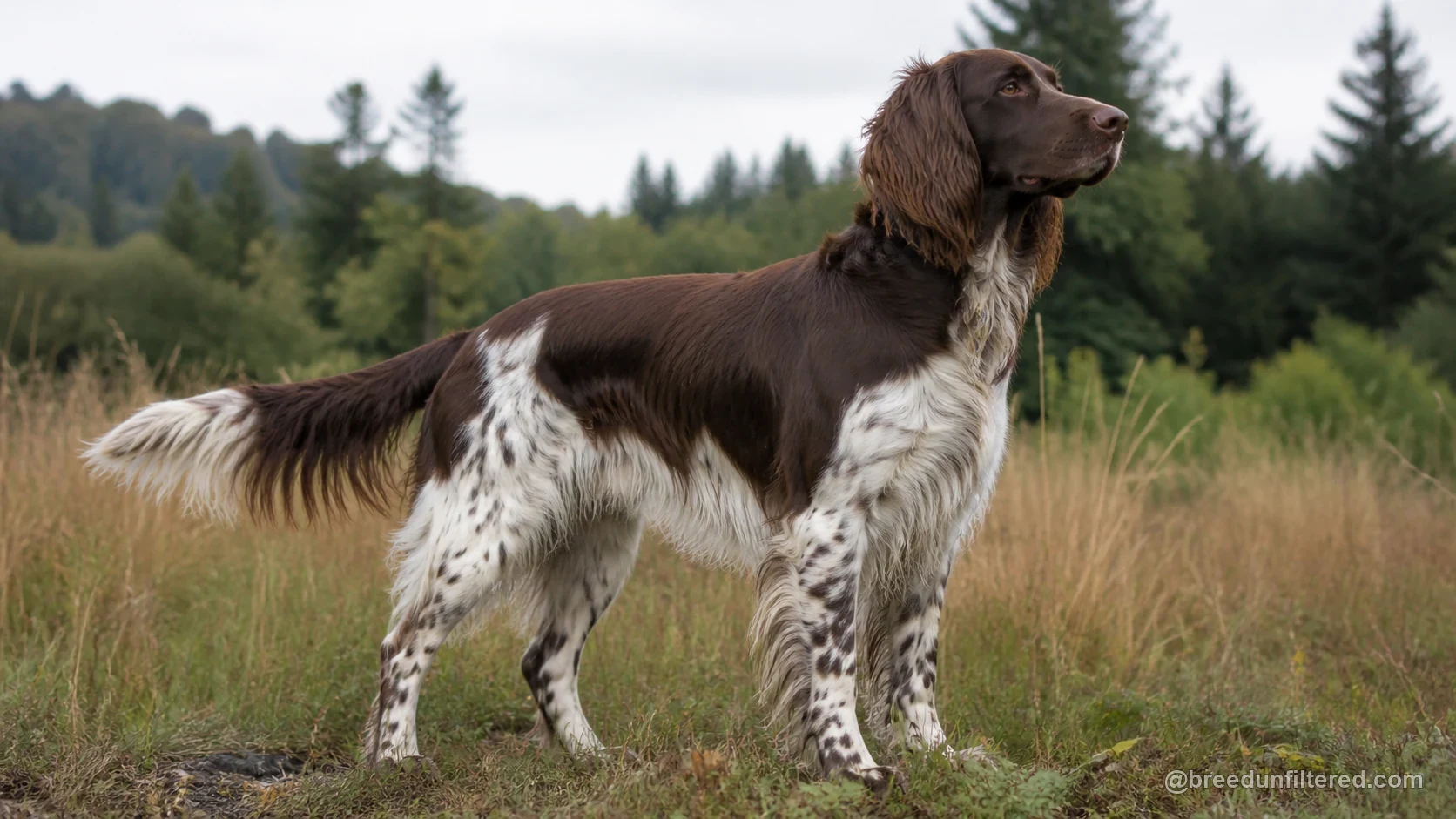
The Deutsch Langhaar, also known as the German Longhaired Pointer, is a versatile hunting dog that originated in Germany. This breed is prized for its ability to work in various terrains and conditions, from dense forests to open fields and water. With a distinctive long, water-repellent coat and a balanced, athletic build, the Deutsch Langhaar is both a capable hunter and a devoted companion.
While less common outside its native country, the Deutsch Langhaar has a dedicated following among hunters and active families. This breed thrives on having a job to do and requires ample physical and mental stimulation. If you are considering adding a Deutsch Langhaar to your life, it is essential to understand its needs and characteristics to ensure a good match.
Origin and Purpose
The Deutsch Langhaar was developed in Germany during the 19th century, with the goal of creating a versatile hunting dog that could work in a variety of environments. Breeders crossed various European pointing breeds, including the old Spanish pointer and local German dogs, to produce a dog with a keen nose, a strong pointing instinct, and a love for water. The result was a dog capable of hunting upland game, waterfowl, and even tracking wounded game.
Today, the Deutsch Langhaar remains primarily a working dog, used by hunters for its versatility and endurance. The breed is recognized by the Fédération Cynologique Internationale (FCI) in Group 7, which includes pointing dogs. Its official standard emphasizes a balanced, harmonious build that allows for sustained effort in the field, as well as a gentle and trainable temperament.
Temperament and Variation
The Deutsch Langhaar is known for its even-tempered and steady disposition. These dogs are typically intelligent, willing, and eager to please, which makes them responsive to training. They are also known for their strong bond with their owners and their desire to be involved in family activities. While they are generally friendly, they can be reserved with strangers, making them good watchdogs without being overly aggressive.
As with any breed, individual temperament can vary. Some Deutsch Langhaars may be more outgoing, while others are more reserved. Early socialization and consistent, positive training are crucial to help them develop into well-rounded adults. It is important to remember that this breed was developed for hunting, so they have a strong prey drive and may not be suitable for homes with small pets unless raised with them.
Exercise and Mental Work
The Deutsch Langhaar is a high-energy breed that requires significant daily exercise to stay happy and healthy. A simple walk around the block is not enough; they need opportunities to run, explore, and use their natural hunting instincts. Activities such as hiking, jogging, or participating in dog sports like agility or obedience can help meet their physical needs. They also excel in activities that involve scent work or retrieving.
Mental stimulation is equally important for this intelligent breed. Without adequate mental challenges, they may become bored and develop destructive behaviors. Puzzle toys, training sessions, and interactive games can help keep their minds engaged. For those who hunt, the Deutsch Langhaar is a natural partner, but even non-hunters can provide fulfilling activities that tap into their instincts.
Training and Socialisation
Training a Deutsch Langhaar is generally a rewarding experience due to their intelligence and eagerness to please. They respond well to positive reinforcement methods, such as treats, praise, and play. Consistency and patience are key, as they can be sensitive to harsh corrections. Early training should focus on basic obedience and impulse control, which will lay the foundation for more advanced work.
Socialisation is crucial from a young age. Exposing the Deutsch Langhaar to a variety of people, animals, and environments helps them become confident and adaptable. This is especially important for a breed that may be reserved with strangers. Puppy classes and regular outings can help them learn appropriate behavior in different situations. A well-socialized Deutsch Langhaar is more likely to be a reliable and pleasant companion.
Family and Other Pets
The Deutsch Langhaar can make a wonderful family dog for active households. They are typically affectionate and loyal to their family members, including children, and enjoy being included in daily activities. However, due to their size and energy, they may inadvertently knock over small children, so supervision is recommended. They are best suited to families who can provide plenty of exercise and attention.
When it comes to other pets, the Deutsch Langhaar's hunting instincts can be a challenge. They may view small animals, such as rabbits or cats, as prey. With early and consistent socialization, some individuals can learn to live peacefully with other pets, but it is not guaranteed. It is important to assess each dog's temperament and to manage introductions carefully to ensure safety.
Grooming and Health
The Deutsch Langhaar has a medium-length, dense coat that is water-repellent and requires regular grooming. Weekly brushing is usually sufficient to remove loose hair and prevent mats, but more frequent grooming may be needed during shedding seasons. Their ears should be checked regularly for dirt or signs of infection, and their nails should be trimmed as needed. Bathing should be done only when necessary to preserve the coat's natural oils.
As a generally healthy breed, the Deutsch Langhaar can still be prone to certain health conditions, including hip dysplasia and eye disorders. Responsible breeders screen their breeding dogs for these issues. Regular veterinary check-ups, a balanced diet, and appropriate exercise can help maintain their overall health. It is also important to provide them with proper parasite prevention and dental care.
Costs and Responsibility
Owning a Deutsch Langhaar is a significant commitment, both financially and in terms of time. The initial cost of a puppy from a reputable breeder can be substantial, and ongoing expenses include high-quality food, routine veterinary care, grooming supplies, and training classes. Additionally, this breed's exercise needs may require investments in secure fencing, outdoor gear, or fees for dog sports or hunting activities.
Beyond financial costs, prospective owners must be prepared for the time and energy required to meet this breed's needs. A Deutsch Langhaar is not a dog that can be left alone for long periods; they thrive on companionship and activity. Potential owners should honestly assess their lifestyle and ability to provide a fulfilling environment. Rescue organizations and breed clubs can offer guidance and support for those considering this breed.
Clear answers
FREQUENTLY ASKED QUESTIONS
Is the Deutsch Langhaar a good family dog?
The Deutsch Langhaar can be a good family dog for active households that can provide plenty of exercise and mental stimulation. They are typically affectionate and loyal to their family, including children, but their size and energy may be too much for very young kids. Early socialization and supervision are important to ensure positive interactions.
How much exercise does a Deutsch Langhaar need?
The Deutsch Langhaar is a high-energy breed that needs substantial daily exercise, including opportunities to run and explore. Activities like hiking, jogging, or dog sports are ideal. Without enough physical and mental activity, they may become bored and develop behavioral issues. A minimum of one to two hours of vigorous exercise per day is often recommended, but individual needs vary.
Are Deutsch Langhaars easy to train?
Deutsch Langhaars are intelligent and eager to please, which generally makes them responsive to training. They do best with positive reinforcement methods and consistent, patient guidance. Early socialization and obedience training are essential to help them become well-mannered adults. They can be sensitive, so harsh corrections are not recommended.
Do Deutsch Langhaars get along with other pets?
Due to their strong hunting instincts, Deutsch Langhaars may not get along with small pets like cats or rabbits. With early and consistent socialization, some individuals can learn to coexist, but it is not guaranteed. It is important to manage introductions carefully and to supervise interactions, especially with smaller animals.
What are the grooming requirements for a Deutsch Langhaar?
The Deutsch Langhaar has a medium-length, dense coat that requires regular brushing, about once a week, to remove loose hair and prevent mats. They shed seasonally, so more frequent grooming may be needed during those times. Their ears should be checked regularly for cleanliness, and their nails trimmed as needed. Bathing should be done only when necessary to maintain coat health.
Sources and further reading
Scores describe typical breed tendencies from 1 to 10. They are not a quality ranking or a prediction for an individual dog.
Size and presence6/10
CompactVery large
Physical strength5/10
LightExceptional
Energy level9/10
LowRelentless
Exercise demand10/10
ModestVery demanding
Mental work needed8/10
ModerateDaily job
Trainability9/10
ChallengingExceptional
Everyday manageability4/10
SpecialistStraightforward
First-time owner fit5/10
Poor fitGood fit
Family-life fit8/10
LimitedExcellent
Dog sociability8/10
SelectiveVery social
Prey drive10/10
LowVery high
Guarding tendency3/10
MinimalSerious
Independence4/10
Handler-focusedSelf-directed
Grooming demand4/10
LightHeavy
Apartment fit5/10
Poor fitGood fit