Complete breed guide
Czechoslovakian Wolfdog OWNERSHIP GUIDE
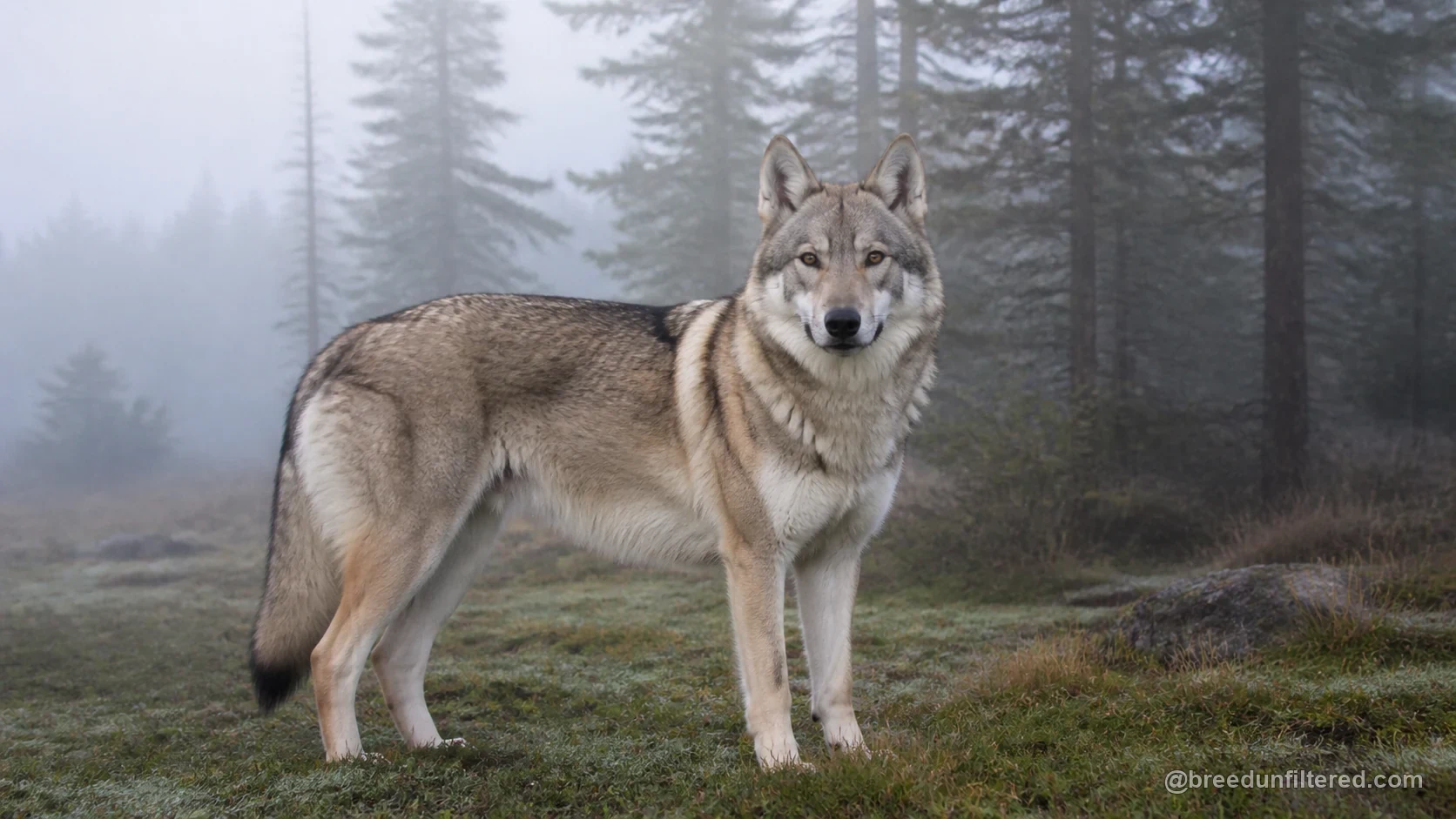
The Czechoslovakian Wolfdog is a relatively recent breed, created in the 1950s as a military experiment crossing German Shepherds with Carpathian wolves. This heritage gives the breed a striking appearance reminiscent of a wolf, along with a unique set of behavioral traits that set it apart from typical domestic dogs. Prospective owners must understand that this is not a breed for everyone; it demands experience, patience, and a commitment to meeting its complex needs.
In this guide, we provide an in-depth look at the Czechoslovakian Wolfdog, covering its origin, temperament, exercise and mental stimulation requirements, training and socialization, suitability for families and other pets, grooming and health considerations, and the financial and time commitments involved. Our goal is to offer a balanced, evidence-conscious perspective to help you decide if this remarkable breed is the right fit for your lifestyle.
Origin and Purpose
The Czechoslovakian Wolfdog was developed in the former Czechoslovakia during the 1950s as a military working dog. The initial breeding program crossed German Shepherds with Carpathian wolves, aiming to combine the wolf's endurance, stamina, and pack mentality with the dog's trainability and temperament. The breed was officially recognized in 1982 and later by the FCI in 1989, and it remains a relatively rare breed worldwide.
Today, the Czechoslovakian Wolfdog is primarily kept as a companion, though it still retains many of the traits that made it valuable in its original role. Its history as a working breed means it is highly active, intelligent, and independent, with a strong prey drive and a tendency to be wary of strangers. Understanding this background is crucial for anyone considering the breed, as it influences nearly every aspect of its care and behavior.
Temperament and Variation
The Czechoslovakian Wolfdog is known for its lively, active, and resilient temperament. It is typically loyal and devoted to its family, but it can be reserved or even aloof with strangers. This breed is not naturally aggressive, but it is protective and may exhibit guarding tendencies. Individual variation is significant, influenced by genetics, socialization, and training, so it is essential to meet the parents and observe the puppy's behavior when possible.
As a breed, the Czechoslovakian Wolfdog is highly independent and self-reliant, which can make it a challenging companion for first-time owners. It thrives on close contact with its human pack and does not do well when left alone for long periods. Prospective owners should be prepared for a dog that may not be overtly affectionate in the way many companion breeds are, but that forms deep bonds with its family.
Exercise and Mental Work
The Czechoslovakian Wolfdog is an extremely energetic breed that requires substantial daily exercise to remain physically and mentally healthy. This is not a dog that will be satisfied with a short walk around the block; it needs long runs, hiking, or other vigorous activities that allow it to use its endurance. Without adequate exercise, it may become restless and develop destructive behaviors.
Mental stimulation is equally important. This intelligent breed needs challenging tasks, such as obedience training, agility, tracking, or puzzle toys, to keep its mind engaged. Boredom can lead to problem behaviors, including excessive digging or howling. Owners should plan to incorporate both physical and mental activities into their daily routine to meet the breed's high demands.
Training and Socialisation
Training a Czechoslovakian Wolfdog requires patience, consistency, and a firm but gentle approach. This breed is intelligent but also independent, and it may question commands if it does not see the benefit. Positive reinforcement methods work best, as harsh training can damage the trust between dog and owner. Early socialization is critical to help the dog become comfortable with various people, animals, and environments.
Because of its wolf heritage, the Czechoslovakian Wolfdog may have a stronger pack instinct and a different communication style than typical dogs. Owners should be prepared to learn and respect these differences. Professional training classes or working with an experienced trainer can be invaluable, especially for first-time owners of this breed.
Family and Other Pets
The Czechoslovakian Wolfdog can be a loyal and protective family member, but it is not recommended for households with very young children due to its high energy and strong prey drive. It may be too boisterous for toddlers, and its herding or chasing instincts could inadvertently knock over small children. With older children who understand how to interact with dogs, it can form strong bonds.
Regarding other pets, the breed's prey drive is significant, and it may not be safe to keep it with small animals such as cats, rabbits, or small dogs unless they are raised together from a young age. Even then, supervision is essential. The Czechoslovakian Wolfdog tends to be more sociable with other dogs, especially if properly socialized, but it may still exhibit dominance.
Grooming and Health
The Czechoslovakian Wolfdog has a thick double coat that sheds heavily, especially during seasonal changes. Regular brushing, at least a few times a week, is necessary to manage shedding and keep the coat healthy. During heavy shedding periods, daily brushing may be required. The breed is generally clean and has minimal odor, but it does require occasional baths and routine nail trimming.
As with many purebred dogs, the Czechoslovakian Wolfdog may be prone to certain health conditions, including hip dysplasia and eye disorders. However, the breed is generally robust and has a relatively long lifespan for a large dog. Responsible breeders screen their breeding stock for hereditary issues. Prospective owners should ask for health clearances and be prepared for potential veterinary costs.
Costs and Responsibility
Owning a Czechoslovakian Wolfdog is a significant financial commitment. Initial costs include the purchase price, which can be high due to the breed's rarity, as well as supplies such as a crate, leash, and food. Ongoing expenses include high-quality food, routine veterinary care, and potential emergency medical costs. Additionally, because the breed requires extensive exercise and mental stimulation, owners may need to invest in training classes or dog sports.
Beyond finances, this breed demands a substantial time commitment. It is not suitable for a sedentary lifestyle or for owners who are away from home for long hours. Prospective owners must be willing to dedicate time to exercise, training, and companionship. The Czechoslovakian Wolfdog is a rewarding breed for the right person, but it is a serious responsibility that should not be undertaken lightly.
Clear answers
FREQUENTLY ASKED QUESTIONS
Is the Czechoslovakian Wolfdog a good family dog?
The Czechoslovakian Wolfdog can be a loyal and protective family member, but it is not recommended for families with very young children due to its high energy and strong prey drive. It may be too boisterous for toddlers, and its herding or chasing instincts could inadvertently knock over small children. With older children who understand how to interact with dogs, it can form strong bonds.
How much exercise does a Czechoslovakian Wolfdog need?
The Czechoslovakian Wolfdog is an extremely energetic breed that requires substantial daily exercise to remain physically and mentally healthy. This is not a dog that will be satisfied with a short walk around the block; it needs long runs, hiking, or other vigorous activities that allow it to use its endurance. Without adequate exercise, it may become restless and develop destructive behaviors.
Are Czechoslovakian Wolfdogs good with other pets?
The breed's prey drive is significant, and it may not be safe to keep it with small animals such as cats, rabbits, or small dogs unless they are raised together from a young age. Even then, supervision is essential. The Czechoslovakian Wolfdog tends to be more sociable with other dogs, especially if properly socialized, but it may still exhibit dominance.
What are the grooming requirements for a Czechoslovakian Wolfdog?
The Czechoslovakian Wolfdog has a thick double coat that sheds heavily, especially during seasonal changes. Regular brushing, at least a few times a week, is necessary to manage shedding and keep the coat healthy. During heavy shedding periods, daily brushing may be required. The breed is generally clean and has minimal odor, but it does require occasional baths and routine nail trimming.
Is the Czechoslovakian Wolfdog suitable for first-time dog owners?
The Czechoslovakian Wolfdog is generally not recommended for first-time dog owners due to its independent nature, high energy, and strong prey drive. It requires experienced handling, consistent training, and extensive socialization. Without proper experience, owners may struggle to manage its needs, leading to behavioral issues. It is best suited for owners familiar with primitive or working breeds.
Sources and further reading
Scores describe typical breed tendencies from 1 to 10. They are not a quality ranking or a prediction for an individual dog.
Size and presence6/10
CompactVery large
Physical strength6/10
LightExceptional
Energy level8/10
LowRelentless
Exercise demand9/10
ModestVery demanding
Mental work needed10/10
ModerateDaily job
Trainability8/10
ChallengingExceptional
Everyday manageability4/10
SpecialistStraightforward
First-time owner fit4/10
Poor fitGood fit
Family-life fit7/10
LimitedExcellent
Dog sociability7/10
SelectiveVery social
Prey drive9/10
LowVery high
Guarding tendency7/10
MinimalSerious
Independence5/10
Handler-focusedSelf-directed
Grooming demand8/10
LightHeavy
Apartment fit4/10
Poor fitGood fit