Complete breed guide
Bergamasco Shepherd Dog OWNERSHIP GUIDE
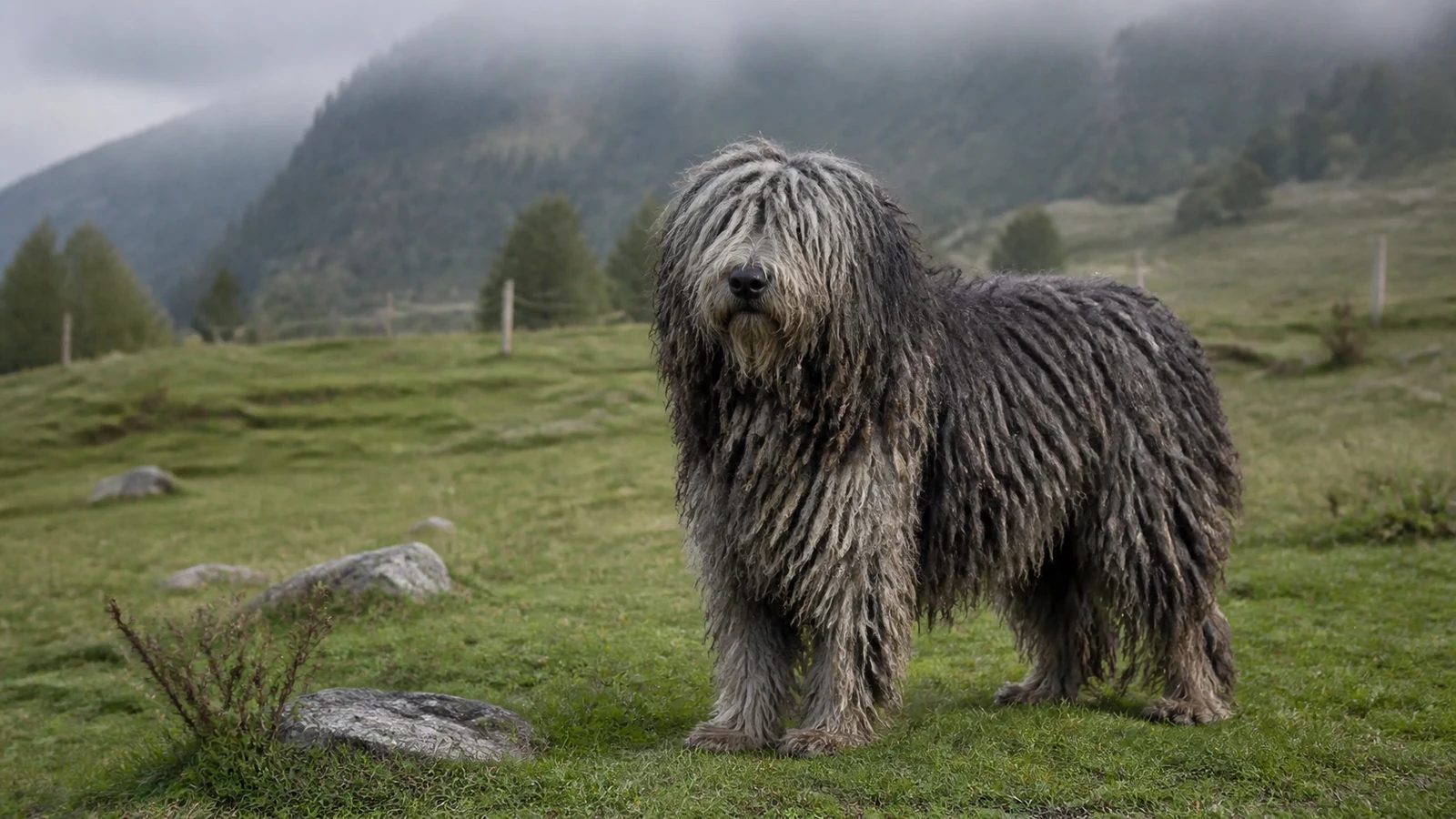
The Bergamasco Shepherd Dog is an ancient Italian herding breed known for its distinctive felted coat, which forms naturally into flocks or mats. This coat is not just a striking appearance; it serves a practical purpose, protecting the dog from harsh weather and predators while working in the Alps. Originating from the Bergamo region of Italy, this breed has been a trusted companion to shepherds for centuries, valued for its intelligence, independence, and strong work ethic.
Today, the Bergamasco remains a rare and fascinating breed, appreciated by those who understand its unique needs. Prospective owners should be prepared for a dog that is both loyal and independent, with a calm demeanor at home but a keen alertness when working. The breed's coat requires specific care, and its herding instincts may manifest in various ways. This article provides an evidence-conscious overview of the Bergamasco Shepherd Dog, covering its history, temperament, exercise needs, training, health, and more, to help you decide if this breed is the right fit for your lifestyle.
Origin and Purpose
The Bergamasco Shepherd Dog, known in Italian as Cane da Pastore Bergamasco, hails from the Bergamo region in the Italian Alps. Its history is deeply intertwined with transhumance, the seasonal movement of flocks between lowland and highland pastures. For centuries, these dogs have been indispensable to shepherds, guiding and protecting sheep through challenging terrain. The breed's development was shaped by the need for a hardy, intelligent, and self-reliant worker capable of making decisions independently when the shepherd was not present.
The Bergamasco's unique coat, which forms into felted mats, is a key adaptation to its mountainous environment. These mats provide insulation against cold and heat, and also offer some protection from predator bites. The breed's purpose has always been utilitarian, not just as a herder but also as a guardian of the flock. While modern shepherding practices have declined, the Bergamasco's instincts remain strong, and it is still used for herding in some parts of the world. The FCI recognizes the breed under standard number 194, placing it in Group 1, Sheepdogs and Cattle Dogs (except Swiss Cattle Dogs).
Temperament and Variation
The Bergamasco Shepherd Dog is generally described as calm, patient, and even-tempered. It is known for its strong bond with its family, often being particularly devoted to children. However, it also possesses an independent streak, a remnant of its working heritage where it had to make decisions without constant human direction. This independence can manifest as a certain aloofness with strangers, though not typically aggression. Early socialization is important to ensure the dog is comfortable in various situations.
Individual temperament can vary based on genetics, upbringing, and environment. Some Bergamascos may be more outgoing, while others are more reserved. They are often described as having a 'dual personality': lively and playful at home, but serious and focused when working. This breed is not typically known for excessive barking, but it will alert its family to unusual occurrences. As with any breed, it is essential to meet the parents or observe the dog's behavior to get a sense of its personality.
Exercise and Mental Work
The Bergamasco Shepherd Dog is a working breed with moderate to high energy levels, but it is not a hyperactive dog. It requires regular daily exercise to keep it physically fit and mentally satisfied. A long walk, a hike, or a play session in a securely fenced area can meet its needs. However, the breed's herding instincts mean that it may try to herd children or other pets, so supervision is advised. Off-leash exercise should only be done in safe, enclosed areas, as the dog's instinct to roam and gather may take over.
Mental stimulation is equally important for this intelligent breed. Without adequate mental challenges, a Bergamasco may become bored and develop undesirable behaviors such as digging or excessive barking. Puzzle toys, obedience training, and activities like herding trials or nose work can provide the mental engagement this dog craves. The breed's problem-solving abilities are notable, and it enjoys tasks that require thought. Owners should be prepared to dedicate time each day to both physical and mental exercise to keep their Bergamasco content.
Training and Socialisation
Training a Bergamasco Shepherd Dog requires patience, consistency, and a positive approach. This breed is intelligent but also independent, which can make it seem stubborn at times. Harsh training methods are counterproductive; instead, using rewards such as treats, praise, and play will yield better results. Early obedience training is essential to establish a strong foundation. The Bergamasco responds well to training that is varied and interesting, as it can become bored with repetitive drills.
Socialisation from a young age is crucial to help the Bergamasco develop into a well-rounded adult. Exposing the puppy to different people, animals, environments, and sounds will help reduce the likelihood of fearfulness or aggression. While the breed is naturally wary of strangers, proper socialisation can teach it to be accepting. It is also important to socialise the dog with other dogs, as its herding instincts may lead it to try to control or chase them. A well-socialised Bergamasco can be a reliable and trustworthy companion.
Family and Other Pets
The Bergamasco Shepherd Dog is known for its gentle and patient nature with children, making it a potential family dog. It often forms a strong bond with the family and may be particularly protective of younger members. However, due to its herding instincts, it may attempt to herd children by nipping at their heels, so supervision and training are necessary. The breed is generally tolerant and can be a good playmate, but as with any dog, interactions should be supervised to ensure safety for both the dog and the child.
When it comes to other pets, the Bergamasco's behavior can vary. With proper socialisation, it can coexist peacefully with other dogs and even cats, especially if raised together. However, its herding instinct may cause it to chase smaller animals, and its guarding instinct may make it wary of unfamiliar dogs. Early and ongoing socialisation is key to fostering positive relationships. The breed is not typically aggressive, but it may be reserved with strangers, including other dogs, until it deems them acceptable.
Grooming and Health
The Bergamasco's most distinctive feature is its felted coat, which requires a specific grooming routine. The coat naturally forms into flocks, or mats, that should not be brushed out. Instead, the mats need to be separated by hand to prevent them from becoming too tight and to allow air circulation. This process is time-consuming and should be done regularly, especially during the coat's formation period. Bathing is infrequent, as the coat is self-cleaning to some extent, but when done, it requires thorough drying to prevent mildew.
In terms of health, the Bergamasco is generally a robust breed, but like all dogs, it can be prone to certain conditions. Hip dysplasia, eye disorders, and autoimmune diseases have been reported in the breed, though the incidence is not well-documented. Responsible breeders screen their breeding stock for these conditions. Regular veterinary check-ups, a balanced diet, and appropriate exercise contribute to overall health. The breed's lifespan is typically around 13-15 years. Prospective owners should be prepared for the commitment of grooming and health care.
Costs and Responsibility
Owning a Bergamasco Shepherd Dog involves significant financial and time commitments. The initial cost of a puppy from a reputable breeder can be high, reflecting the breed's rarity and the health testing performed. Additionally, ongoing costs include high-quality food, routine veterinary care, grooming supplies, and potential professional grooming services. The coat requires regular maintenance, which may be a cost if you choose to hire a professional. Pet insurance is also recommended to help manage unexpected medical expenses.
Beyond financial costs, the Bergamasco requires a considerable investment of time and energy. This breed is not suited to a sedentary lifestyle; it needs daily exercise and mental stimulation. It also thrives on human companionship and may not do well if left alone for long periods. Prospective owners should assess their ability to meet these needs before acquiring a Bergamasco. It is a loyal and rewarding companion for those who are prepared for the responsibility, but it is not a breed to be taken on lightly.
Clear answers
FREQUENTLY ASKED QUESTIONS
Is the Bergamasco Shepherd Dog good with children?
The Bergamasco Shepherd Dog is generally known for its patient and gentle nature with children, often forming strong bonds with them. However, due to its herding instincts, it may attempt to herd children by nipping at their heels. Supervision and training are essential to teach the dog appropriate behavior. With proper socialisation and guidance, it can be a wonderful family companion.
How much grooming does a Bergamasco need?
The Bergamasco's coat requires regular, hands-on maintenance. The felted mats must be separated by hand to prevent them from becoming too tight and to allow air circulation. This process should be done several times a week, especially during the coat's formation. Bathing is infrequent, but when done, thorough drying is necessary. Professional grooming may be needed for some owners.
Is the Bergamasco Shepherd Dog easy to train?
The Bergamasco is intelligent but also independent, which can make training a challenge. It responds best to positive reinforcement methods such as treats and praise. Consistency and patience are key. Early socialisation and obedience training are crucial. With the right approach, the breed can be trained effectively, but it may not be the best choice for first-time dog owners.
Does the Bergamasco get along with other dogs?
With proper socialisation, the Bergamasco can get along with other dogs, especially if raised together. However, its herding instincts may cause it to try to control or chase other dogs. It may also be reserved with unfamiliar dogs. Early and ongoing socialisation is important to foster positive relationships. Supervision is recommended during interactions.
What is the lifespan of a Bergamasco Shepherd Dog?
The Bergamasco Shepherd Dog typically has a lifespan of around 13 to 15 years. This is an average, and individual dogs may live longer or shorter lives depending on genetics, health care, and lifestyle. Regular veterinary check-ups and a healthy diet can contribute to a longer, healthier life.
Sources and further reading
Scores describe typical breed tendencies from 1 to 10. They are not a quality ranking or a prediction for an individual dog.
Size and presence6/10
CompactVery large
Physical strength6/10
LightExceptional
Energy level8/10
LowRelentless
Exercise demand8/10
ModestVery demanding
Mental work needed10/10
ModerateDaily job
Trainability8/10
ChallengingExceptional
Everyday manageability5/10
SpecialistStraightforward
First-time owner fit4/10
Poor fitGood fit
Family-life fit7/10
LimitedExcellent
Dog sociability6/10
SelectiveVery social
Prey drive7/10
LowVery high
Guarding tendency7/10
MinimalSerious
Independence5/10
Handler-focusedSelf-directed
Grooming demand8/10
LightHeavy
Apartment fit4/10
Poor fitGood fit