Complete breed guide
Pekingese OWNERSHIP GUIDE
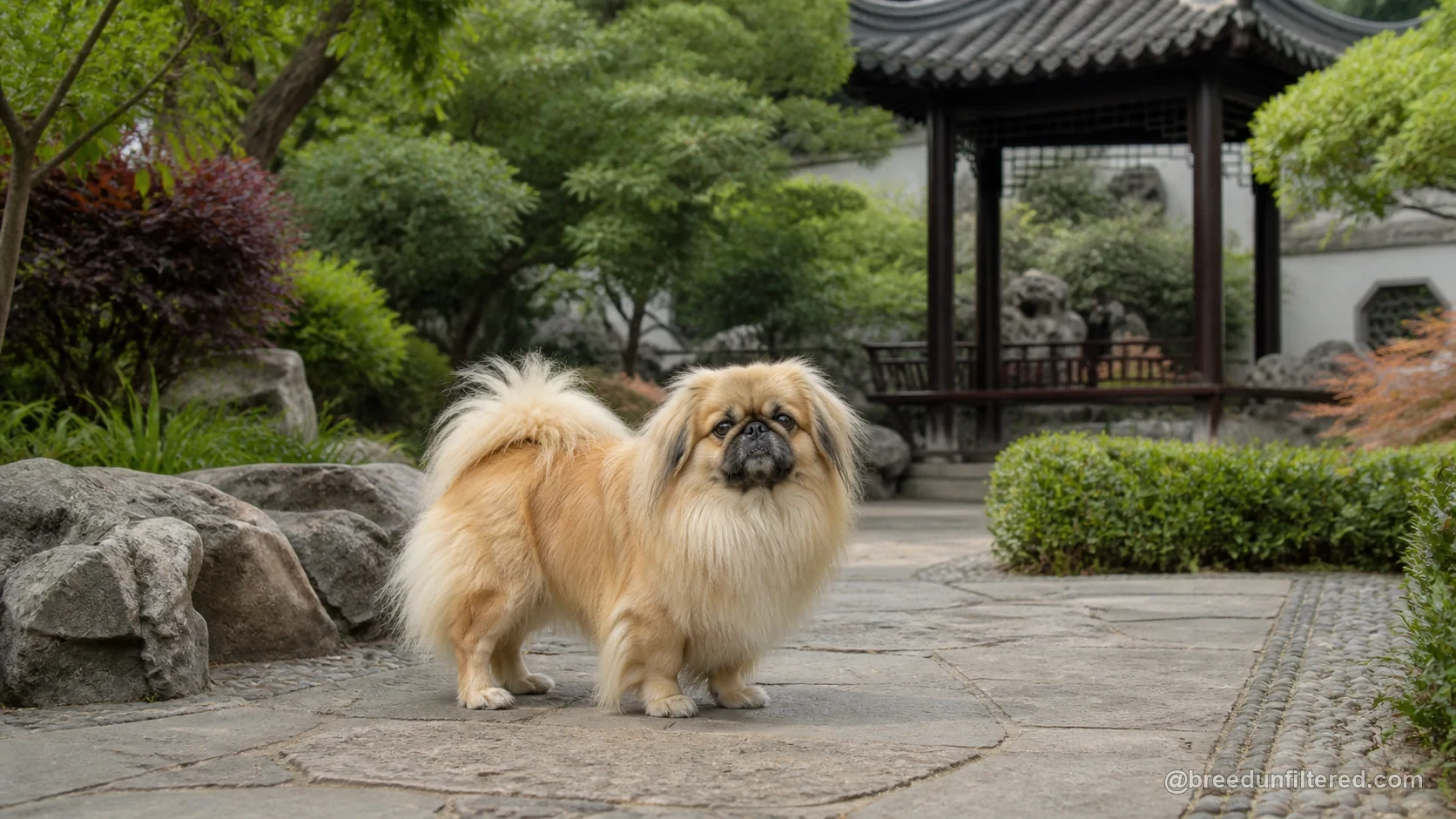
The Pekingese, an ancient breed with roots in the Chinese imperial court, carries an air of regal dignity that few other dogs can match. Known for their lion-like appearance and confident demeanor, these small companions were once reserved for royalty and were considered sacred in their homeland. Today, they remain a distinctive choice for those who appreciate a dog with a strong personality and a deep sense of loyalty to their family.
Prospective owners should understand that the Pekingese is not a typical lapdog in the modern sense; they are independent, sometimes stubborn, and possess a noble self-assurance that can be both endearing and challenging. This article provides a comprehensive overview of the breed's origins, temperament, care requirements, and the responsibilities involved in welcoming a Pekingese into your home, helping you make an informed decision.
Origin and Purpose
The Pekingese breed originated in ancient China, where they were bred as companions for the imperial family and were highly revered. Their name is derived from the city of Peking, now known as Beijing. These dogs were so treasured that they were often kept in the palace and were not allowed to leave the imperial grounds, with some accounts suggesting that stealing one was punishable by death. Their role was purely that of a companion, providing comfort and entertainment to the emperor and his court.
The breed's distinctive appearance, with a flat face, lion-like mane, and rolling gait, was intentionally cultivated to resemble the sacred lions of Chinese art. The Pekingese was believed to bring good luck and ward off evil spirits, and they were often given as gifts to foreign dignitaries. The first Pekingese to reach the West were brought to England in the 1860s, and the breed quickly gained popularity among European royalty and aristocrats, cementing their status as a symbol of prestige and refinement.
Temperament and Variation
Pekingese are known for their confident, independent, and sometimes aloof temperament. They are not overly demonstrative but form deep bonds with their chosen humans, often showing a playful and affectionate side to those they trust. Their regal bearing can translate into a dignified reserve with strangers, and they may be wary of unfamiliar situations. While individual personalities vary, many Pekingese are self-assured and possess a stubborn streak, which can be both charming and challenging for owners.
There is some variation within the breed, with some individuals being more outgoing and others more reserved. They are generally not high-energy dogs, but they do have bursts of playfulness and enjoy interactive games. Pekingese are often described as having a 'cat-like' personality, as they are clean, independent, and may prefer to be on their own terms. They are not typically demanding of constant attention, but they do appreciate being near their family and will often follow them from room to room.
Exercise and Mental Work
Pekingese have relatively low exercise needs compared to many breeds. A daily short walk and some indoor play are usually sufficient to keep them physically satisfied. However, it is important to avoid excessive exercise, especially in hot weather, due to their brachycephalic (flat-faced) anatomy, which can make breathing difficult. They are not suited for long jogs or strenuous activities, and their exercise should be gentle and paced to their comfort.
Mental stimulation is equally important for this intelligent breed. Puzzle toys, scent games, and basic obedience training can help keep their minds engaged and prevent boredom. Pekingese can be clever and enjoy problem-solving, but they may also become bored with repetitive tasks. Providing a variety of enrichment activities, such as hiding treats or teaching new tricks, can help satisfy their mental needs and strengthen the bond between dog and owner.
Training and Socialisation
Training a Pekingese requires patience, consistency, and a positive approach. They are intelligent but can be stubborn, and they may not respond well to harsh methods. Early socialisation is crucial to help them become well-adjusted adults, exposing them to various people, environments, and other animals in a controlled and positive manner. This can help mitigate any tendencies toward wariness or aggression that may arise from their protective instincts.
Obedience training should be approached with a gentle but firm hand, using rewards such as treats and praise to motivate them. Pekingese can be sensitive to tone and may shut down if they feel pressured. Short, engaging training sessions are often more effective than long, repetitive ones. Consistency is key, and owners should establish clear rules and boundaries from the start. With time and patience, Pekingese can learn basic commands and even participate in dog sports like obedience or rally, though they may not excel in high-energy activities.
Family and Pets
Pekingese can make wonderful companions for families, but they are best suited to households with older children who understand how to interact respectfully with dogs. Their small size and brachycephalic features make them vulnerable to injury from rough handling, so supervision is essential when they are around young children. They are not typically tolerant of teasing or excessive noise, and they may become defensive if they feel threatened.
With other pets, Pekingese can coexist peacefully if properly socialised from a young age. They may have a higher prey drive towards small animals, such as rodents or birds, due to their hunting heritage, but they generally get along well with other dogs, especially if raised together. Their independent nature means they may not be as eager to play with other dogs as some breeds, but they can form strong bonds with their canine housemates. Early and ongoing socialisation is key to fostering positive relationships.
Grooming and Health
The Pekingese has a luxurious double coat that requires regular grooming to keep it in good condition. Daily brushing is recommended to prevent mats and tangles, and they may need professional grooming every few months. Their facial wrinkles should be cleaned regularly to avoid skin infections, and their nails should be trimmed as needed. They are moderate shedders, and during seasonal changes, they may shed more heavily.
Health-wise, Pekingese are prone to certain conditions due to their brachycephalic conformation, including breathing difficulties, eye problems, and dental issues. They may also be susceptible to luxating patellas and heart conditions. Prospective owners should be prepared for potential veterinary costs and should seek a reputable breeder who screens for these conditions. Regular check-ups and a healthy diet are essential to maintaining their overall well-being.
Costs and Responsibility
Owning a Pekingese involves financial and time commitments. The initial cost of purchasing a puppy from a responsible breeder can be significant, and ongoing expenses include high-quality food, grooming supplies, veterinary care, and potential health treatments. Pet insurance is often recommended to help manage unexpected medical costs. Additionally, owners should budget for professional grooming, as the breed's coat requires regular maintenance.
Beyond finances, owning a Pekingese is a long-term responsibility that includes providing proper nutrition, regular exercise, mental stimulation, and affectionate companionship. They can live for 12 to 15 years or more, so prospective owners should be prepared for a long-term commitment. It is also important to consider the breed's specific needs, such as avoiding excessive heat and providing a safe environment that accommodates their physical limitations. Responsible ownership involves continuous learning and adapting to the dog's evolving needs throughout their life.
Clear answers
FREQUENTLY ASKED QUESTIONS
Are Pekingese good with children?
Pekingese can be good with older, respectful children, but they are not ideal for very young kids due to their small size and potential for injury from rough handling. They are independent and may not tolerate teasing, so supervision is essential. With proper socialisation and gentle interaction, they can form strong bonds with children who understand how to treat them kindly.
How much exercise does a Pekingese need?
Pekingese have low exercise needs, typically requiring a short daily walk and some indoor play. They are not suited for strenuous activities or long hikes, especially in hot weather, due to their brachycephalic anatomy. Mental stimulation is also important to keep them engaged and prevent boredom, so puzzle toys and training sessions are beneficial.
Are Pekingese easy to train?
Pekingese are intelligent but can be stubborn, making training a challenge for novice owners. They respond best to positive reinforcement methods, such as treats and praise, and require patience and consistency. Early socialisation and short, engaging training sessions can help them learn basic commands, but they may not excel in high-energy obedience activities.
Do Pekingese shed a lot?
Yes, Pekingese are moderate to heavy shedders, especially during seasonal changes. Their double coat requires daily brushing to remove loose hair and prevent mats. Regular grooming, including professional sessions, is necessary to keep their coat healthy and reduce shedding around the home.
What health issues are common in Pekingese?
Pekingese are prone to health issues related to their flat faces, such as breathing difficulties, eye problems, and dental issues. They may also be susceptible to luxating patellas and heart conditions. Responsible breeders screen for these conditions, and regular veterinary check-ups are important to monitor their health and manage any issues early.
Sources and further reading
Scores describe typical breed tendencies from 1 to 10. They are not a quality ranking or a prediction for an individual dog.
Size and presence1/10
CompactVery large
Physical strength1/10
LightExceptional
Energy level6/10
LowRelentless
Exercise demand5/10
ModestVery demanding
Mental work needed6/10
ModerateDaily job
Trainability5/10
ChallengingExceptional
Everyday manageability5/10
SpecialistStraightforward
First-time owner fit7/10
Poor fitGood fit
Family-life fit8/10
LimitedExcellent
Dog sociability7/10
SelectiveVery social
Prey drive4/10
LowVery high
Guarding tendency3/10
MinimalSerious
Independence7/10
Handler-focusedSelf-directed
Grooming demand9/10
LightHeavy
Apartment fit10/10
Poor fitGood fit