Complete breed guide
Collie Rough OWNERSHIP GUIDE
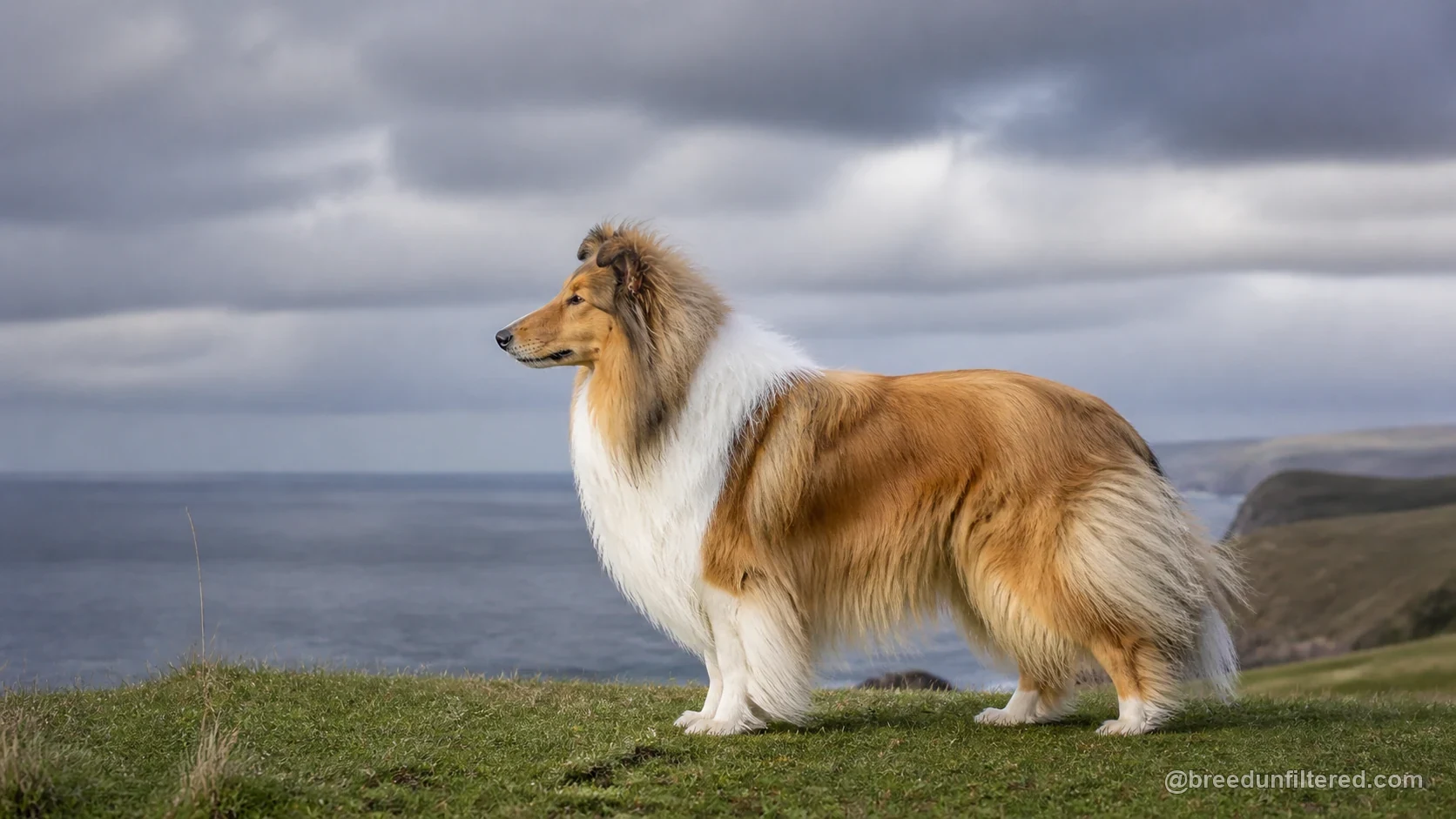
The Rough Collie, known officially as Collie Rough (FCI Standard No. 156), is a herding breed that originated in the Scottish Highlands and northern England. Historically valued for their intelligence and herding ability, they gained worldwide fame through fictional portrayals, yet their real character is more nuanced than the screen suggests. This article provides an evidence-conscious overview for prospective owners, focusing on practical aspects of care, temperament, and suitability.
Before acquiring any dog, it is essential to understand that individual variation is significant. While breed tendencies exist, each Collie has a unique personality shaped by genetics, upbringing, and environment. This guide aims to present balanced information, avoiding universal claims, and encourages you to consult reputable breeders, veterinarians, and breed clubs for personalized advice.
Origin and Purpose
The Rough Collie's roots lie in the pastoral landscapes of the British Isles, where they were developed as herding dogs, particularly for managing sheep and cattle. Their name may derive from the Scottish dialect word for 'coal' or 'black', referencing their historical coloration. The breed's working heritage instilled traits such as intelligence, responsiveness, and a strong desire to cooperate with humans.
By the 19th century, the Rough Collie gained popularity among the British upper class, leading to standardization and exhibition. Queen Victoria's patronage elevated the breed's status, and the first breed standard was established in the late 1800s. Today, while many Rough Collies are companions, their herding instincts remain, and they may exhibit behaviors like circling or nipping at heels, which prospective owners should understand.
Temperament and Variation
Rough Collies are often described as gentle, loyal, and sensitive. They typically form strong bonds with their families and are known for their attentiveness. However, temperament varies widely among individuals. Some may be outgoing and confident, while others can be reserved or shy, especially without proper socialization. It is crucial to meet the parents and observe the puppy's behavior when selecting a dog.
The breed is generally not aggressive, but they can be protective in a mild manner. They are often good with children, but supervision is always recommended. Their sensitivity means they respond best to positive, gentle training methods. Harsh corrections can be counterproductive and may lead to fearfulness. Understanding these tendencies helps owners create a nurturing environment.
Exercise and Mental Work
Rough Collies are moderately active dogs. They require daily exercise to maintain physical health, but their needs are not extreme. A couple of walks and play sessions are typically sufficient. However, they are intelligent and need mental stimulation to prevent boredom. Puzzle toys, obedience training, and activities like canine sports can provide valuable mental outlets.
Without adequate mental and physical engagement, Rough Collies may develop undesirable behaviors such as excessive barking or chewing. They thrive when included in family activities. While they are not hyperactive, they do enjoy having a job to do. Prospective owners should be prepared to dedicate time for both exercise and interactive play to keep their Collie content.
Training and Socialisation
Training a Rough Collie is generally a rewarding experience due to their intelligence and eagerness to please. They respond well to positive reinforcement techniques such as treats, praise, and play. Consistency and patience are key. Early socialization is vital to help them become well-adjusted adults, exposing them to various people, animals, and environments in a positive manner.
Rough Collies are sensitive to tone and may shut down if treated harshly. They excel in obedience, agility, and herding trials. However, they can be independent thinkers, so training should be engaging and varied. Puppy classes and ongoing training are recommended. A well-socialized Collie is typically friendly and confident, but individual outcomes depend on the quality and breadth of socialization.
Family and Other Pets
Rough Collies are often excellent family dogs, known for their gentle nature with children. They are typically patient and tolerant, but as with any breed, interactions should be supervised to ensure safety for both dog and child. They may try to herd small children, which can be managed through training. Their size and energy make them suitable for families with older children who understand how to interact respectfully.
With other pets, Rough Collies generally get along well, especially if raised together. Their herding instinct may cause them to chase or circle smaller animals, but with proper socialization, they can coexist peacefully. They are usually not aggressive toward other dogs, but early and ongoing socialization is important. Each dog's temperament varies, so introductions should be gradual and controlled.
Grooming and Health
The Rough Collie's beautiful double coat requires regular grooming. They shed moderately throughout the year and heavily during seasonal changes. Brushing two to three times a week is typically necessary to prevent mats and reduce loose hair. During shedding season, daily brushing may be needed. They also require routine nail trimming, ear cleaning, and dental care.
Health-wise, Rough Collies are generally robust, but they are predisposed to certain conditions such as Collie Eye Anomaly (CEA), progressive retinal atrophy (PRA), and drug sensitivity due to the MDR1 gene mutation. Responsible breeders screen for these issues. Regular veterinary check-ups and a balanced diet are essential. Prospective owners should ask breeders for health clearances and be prepared for potential medical costs.
Costs and Responsibility
Owning a Rough Collie involves significant financial and time commitments. Initial costs include purchase price, which varies by breeder and location, and essential supplies like crates, beds, and grooming tools. Ongoing expenses include high-quality food, routine veterinary care, vaccinations, and preventive medications. Grooming supplies and professional grooming sessions add to the budget.
Beyond finances, responsible ownership requires a long-term commitment of 12 to 14 years. This includes providing proper training, socialization, exercise, and affection. Prospective owners should assess their lifestyle, living situation, and ability to meet the dog's needs. Rescue organizations and breed clubs can offer guidance. It is crucial to ensure that you can provide a stable, loving home for the dog's entire life.
Clear answers
FREQUENTLY ASKED QUESTIONS
Are Rough Collies good with children?
Rough Collies are often gentle and patient with children, making them a popular family choice. However, individual temperaments vary, and supervision is always recommended. They may attempt to herd small children, which can be managed through training. Early socialization and teaching children how to interact respectfully with dogs are essential for a harmonious relationship.
How much exercise does a Rough Collie need?
Rough Collies are moderately active and typically require daily walks and playtime. While they are not extremely high-energy, they do need regular physical activity to stay healthy and prevent boredom. Mental stimulation is equally important, as they are intelligent dogs. Activities like puzzle toys, training sessions, and canine sports can help meet their needs.
Do Rough Collies shed a lot?
Yes, Rough Collies shed moderately throughout the year and heavily during seasonal changes. Regular brushing, at least two to three times a week, is necessary to manage loose hair and prevent mats. During shedding season, daily brushing may be required. Investing in a good vacuum and grooming tools can help keep your home clean.
Are Rough Collies easy to train?
Rough Collies are intelligent and eager to please, which generally makes them responsive to training. They do best with positive reinforcement methods, as they are sensitive to harsh corrections. Consistency and patience are key. Early socialization and puppy classes are recommended to help them become well-adjusted adults.
What health issues are common in Rough Collies?
Rough Collies may be predisposed to certain hereditary conditions, including Collie Eye Anomaly (CEA), progressive retinal atrophy (PRA), and drug sensitivity due to the MDR1 gene mutation. Responsible breeders screen for these issues. Regular veterinary check-ups and a healthy lifestyle can help manage risks. Always ask breeders for health clearances.
Sources and further reading
Scores describe typical breed tendencies from 1 to 10. They are not a quality ranking or a prediction for an individual dog.
Size and presence6/10
CompactVery large
Physical strength6/10
LightExceptional
Energy level9/10
LowRelentless
Exercise demand9/10
ModestVery demanding
Mental work needed10/10
ModerateDaily job
Trainability9/10
ChallengingExceptional
Everyday manageability4/10
SpecialistStraightforward
First-time owner fit4/10
Poor fitGood fit
Family-life fit7/10
LimitedExcellent
Dog sociability6/10
SelectiveVery social
Prey drive7/10
LowVery high
Guarding tendency7/10
MinimalSerious
Independence5/10
Handler-focusedSelf-directed
Grooming demand8/10
LightHeavy
Apartment fit4/10
Poor fitGood fit