Complete breed guide
Brittany Spaniel OWNERSHIP GUIDE
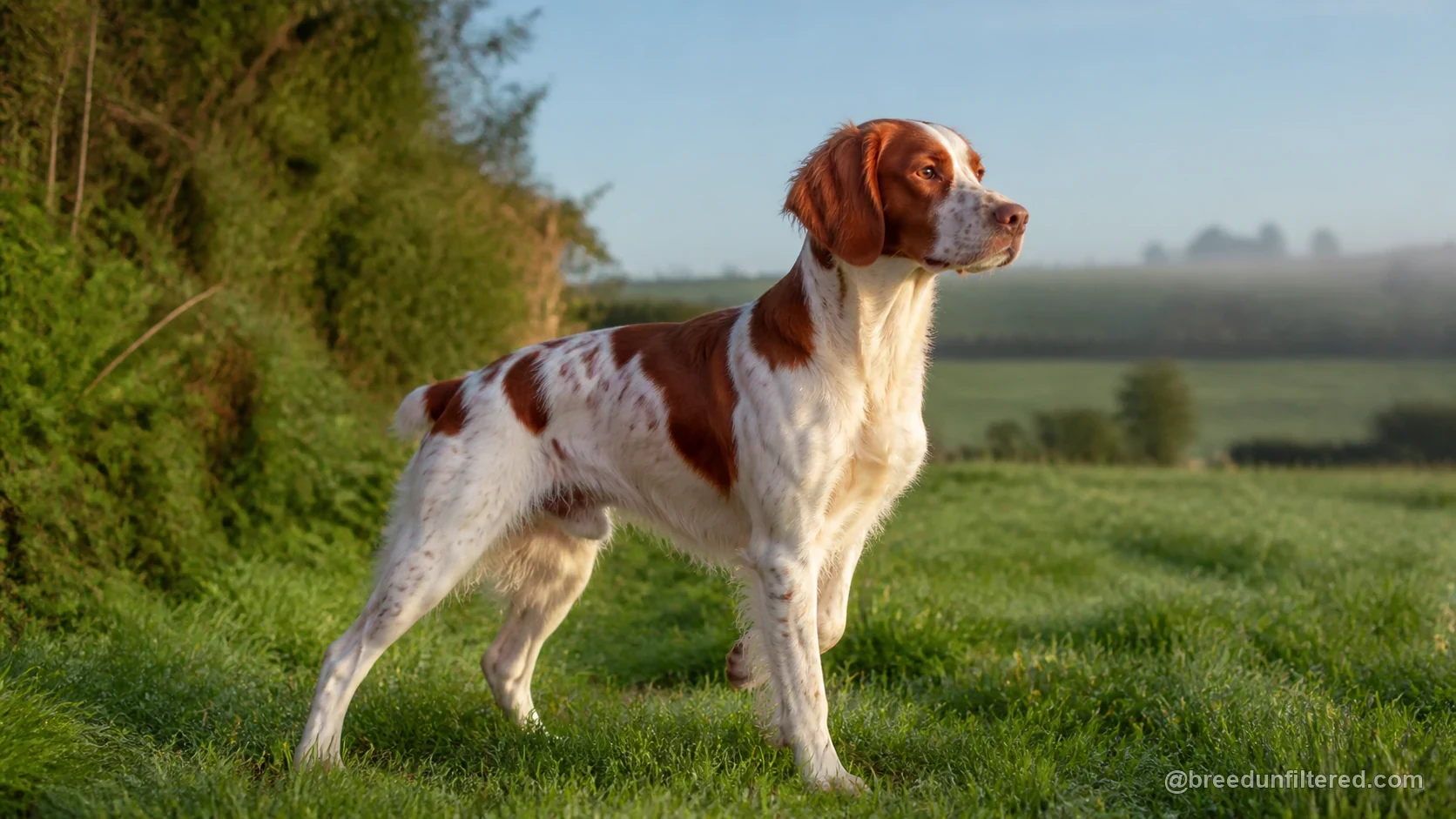
The Brittany Spaniel, officially known as the Epagneul Breton, is a versatile gundog that has won admirers far beyond the hunting field. Originating in the Brittany region of France, this medium-sized sporting breed is celebrated for its boundless energy, keen intelligence, and affectionate nature. While its name includes 'Spaniel,' the Brittany is often described as more pointer-like in its hunting style, and it has evolved into a beloved companion for those who can match its zest for life.
Prospective owners should understand that the Brittany is not a couch potato. This breed thrives on activity, both physical and mental, and is happiest when included in family adventures. With proper outlets for its energy and a commitment to training, the Brittany can be a loyal and joyful addition to an active household. This article provides an evidence-conscious overview of the breed's characteristics, care requirements, and considerations for those thinking of welcoming one into their home.
Origin and Purpose
The Brittany Spaniel's roots trace back to the Brittany region of France, where it was developed as a versatile hunting dog capable of pointing and retrieving game. The breed's history is intertwined with the development of the modern pointing dog, and it is recognized by the Fédération Cynologique Internationale (FCI) under standard number 95. The FCI standard describes the Brittany as a compact, well-balanced dog with a keen expression and a natural aptitude for hunting in varied terrain.
Originally used by hunters to work closely with handlers, the Brittany was prized for its ability to quarter ground, locate game, and retrieve with a soft mouth. Over time, its friendly disposition and trainability have made it a popular choice not only for hunters but also for active families and dog sports enthusiasts. Understanding this heritage is key to appreciating the breed's high energy levels and strong desire to work alongside its human companions.
Temperament and Variation
Brittany Spaniels are generally known for their friendly, outgoing, and eager-to-please temperaments. They tend to form strong bonds with their families and often maintain a puppy-like enthusiasm well into adulthood. Individual variation exists, as with any breed, but the FCI standard describes the Brittany as 'easy to train' and 'affectionate.' They are typically sociable with people and often get along well with other dogs, though early socialisation is always recommended.
While the breed standard provides a general outline, each Brittany has its own personality. Some may be more reserved, while others are unabashedly outgoing. Prospective owners should meet several dogs and talk to breeders or rescue organisations to get a sense of the range of temperaments. It is also important to note that the breed's hunting instinct can manifest as a strong prey drive, which may vary from dog to dog and should be managed through training and supervision.
Exercise and Mental Work
The Brittany is a high-energy breed that requires substantial daily exercise to remain content and well-behaved. This is not a dog that will thrive with a short walk around the block; it needs opportunities to run, play, and explore in safe, enclosed areas. Activities such as hiking, jogging, or participating in dog sports like agility or flyball can help meet its physical needs. The exact amount of exercise will vary based on the individual dog's age, health, and conditioning.
Mental stimulation is equally important for this intelligent breed. Without adequate mental challenges, Brittanys may develop undesirable behaviours such as excessive barking or digging. Puzzle toys, nose work, and obedience training sessions can provide valuable mental outlets. Because they were bred to work closely with humans, they often excel in activities that involve cooperation and problem-solving. Owners should be prepared to engage their Brittany's mind as well as its body.
Training and Socialisation
Brittany Spaniels are generally intelligent and responsive to training, which makes them a good fit for owners who are willing to invest time in positive reinforcement methods. They are often eager to please and can learn commands quickly, but they may also have a stubborn streak. Consistency, patience, and reward-based techniques are usually most effective. Harsh training methods can be counterproductive and damage the trust between dog and owner.
Early and ongoing socialisation is crucial to help Brittanys develop into well-rounded adults. Exposing them to a variety of people, animals, environments, and situations in a positive manner can reduce the likelihood of fearfulness or aggression. Puppy classes and supervised interactions with other dogs can be beneficial. As with any breed, individual responses to socialisation can vary, and owners should tailor their approach to their dog's specific needs.
Family and Other Pets
Brittanys are often described as excellent family dogs, particularly in active households. They tend to be affectionate with children and can be patient and playful, though supervision is always recommended when dogs and young children interact. Their high energy may be overwhelming for very young children, so teaching both the dog and the child appropriate boundaries is important. The breed's natural sociability often extends to other dogs, and many Brittanys enjoy the company of canine companions.
When it comes to non-canine pets, the Brittany's hunting background can pose challenges. Their prey drive may be triggered by small animals such as cats, rabbits, or birds, though individual variation is significant. Early socialisation with other pets can help, but it is not a guarantee. Prospective owners with small pets should carefully consider whether a Brittany is the right fit and be prepared to manage interactions with secure containment and training.
Grooming and Health
The Brittany has a medium-length, wavy or straight coat that is relatively low-maintenance. Regular brushing, typically once or twice a week, helps remove loose hair and keep the coat healthy. They are moderate shedders, and more frequent brushing may be needed during seasonal changes. Routine care such as nail trimming, ear cleaning, and dental hygiene should be part of the regular grooming regimen. The breed's floppy ears may be prone to moisture and debris, so periodic checks are advisable.
As with all breeds, Brittanys can be predisposed to certain health conditions, though responsible breeding practices can reduce risks. Some conditions that have been reported in the breed include hip dysplasia, eye disorders, and ear infections. It is important for prospective owners to obtain health clearances from breeders and to maintain regular veterinary check-ups. This article does not provide medical advice, and any health concerns should be discussed with a veterinarian.
Costs and Responsibility
Owning a Brittany Spaniel involves significant financial and time commitments. Initial costs include the purchase price from a breeder or adoption fees from a rescue, as well as supplies such as crates, beds, and leashes. Ongoing expenses include high-quality food, routine veterinary care, vaccinations, and preventive medications. Emergency medical care and pet insurance are additional considerations. The cost of professional training or dog sports can also add up, but these are optional.
Beyond finances, responsible ownership means dedicating time to exercise, training, and companionship. Brittanys are not suited to being left alone for long periods; they thrive on human interaction and can become destructive if bored. Prospective owners should honestly assess their lifestyle and ability to meet the breed's needs. Adopting a dog is a long-term commitment, and the Brittany's lifespan is typically around 12 to 14 years. Ensuring a good match benefits both the dog and the owner.
Clear answers
FREQUENTLY ASKED QUESTIONS
Are Brittany Spaniels good with children?
Brittanys are often good with children, especially in active families where they can play and exercise together. They tend to be affectionate and patient, but their high energy can be overwhelming for very young kids. Supervision and teaching both the dog and child how to interact respectfully are essential. Individual temperaments vary, so early socialisation and positive experiences are key.
How much exercise does a Brittany Spaniel need?
Brittanys are high-energy dogs that need substantial daily exercise, such as running, hiking, or vigorous play. The exact amount varies with age, health, and individual temperament, but they generally require more than a casual walk. Without adequate physical and mental stimulation, they may develop behavioural issues. Prospective owners should be prepared for an active lifestyle.
Are Brittany Spaniels easy to train?
Brittanys are generally intelligent and eager to please, which can make training rewarding. They respond well to positive reinforcement methods like treats and praise. However, they can be sensitive and may not respond well to harsh corrections. Consistency and patience are important. Early socialisation and obedience classes can help them become well-mannered companions.
Do Brittany Spaniels get along with other dogs?
Many Brittanys are sociable and enjoy the company of other dogs, especially when properly socialised from a young age. They were bred to work in packs, so they often do well in multi-dog households. However, individual personalities vary, and some may be more selective. Supervised introductions and gradual exposure can help foster positive relationships.
What are common health issues in Brittany Spaniels?
Like many breeds, Brittanys may be prone to certain health conditions, including hip dysplasia, eye disorders, and ear infections. Responsible breeders screen for these issues, but no dog is guaranteed to be healthy. Regular veterinary check-ups and a healthy lifestyle can help manage risks. This information is general and not a substitute for professional veterinary advice.
Sources and further reading
Scores describe typical breed tendencies from 1 to 10. They are not a quality ranking or a prediction for an individual dog.
Size and presence6/10
CompactVery large
Physical strength5/10
LightExceptional
Energy level9/10
LowRelentless
Exercise demand10/10
ModestVery demanding
Mental work needed8/10
ModerateDaily job
Trainability8/10
ChallengingExceptional
Everyday manageability3/10
SpecialistStraightforward
First-time owner fit5/10
Poor fitGood fit
Family-life fit9/10
LimitedExcellent
Dog sociability8/10
SelectiveVery social
Prey drive10/10
LowVery high
Guarding tendency3/10
MinimalSerious
Independence6/10
Handler-focusedSelf-directed
Grooming demand4/10
LightHeavy
Apartment fit5/10
Poor fitGood fit