Complete breed guide
Bohemian Shepherd Dog OWNERSHIP GUIDE
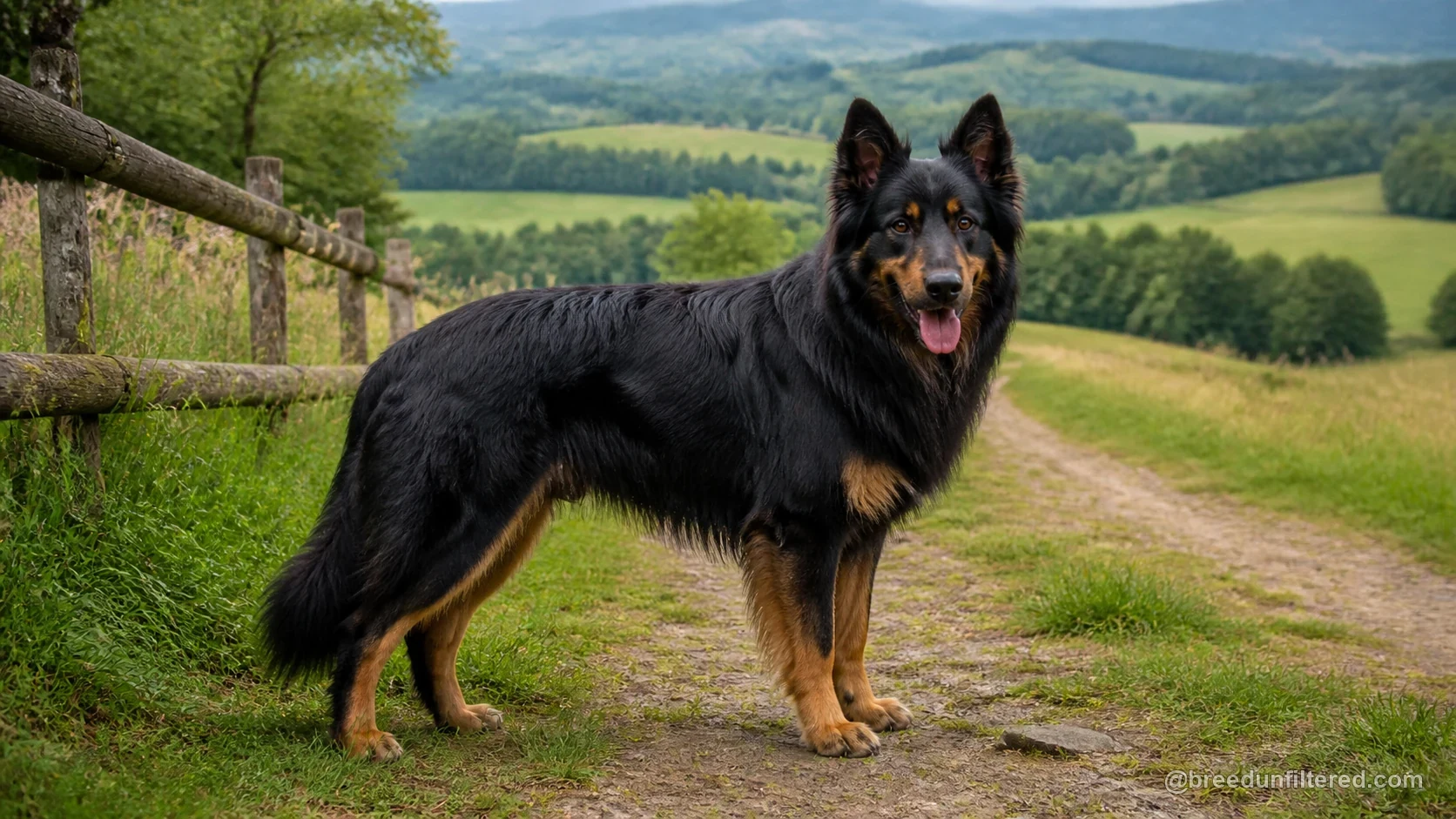
The Bohemian Shepherd Dog, also known as the Chodský pes, is a medium-sized herding breed with roots in the Czech Republic. Recognized provisionally by the FCI, this dog has served as a herder and guardian for centuries, prized for its intelligence and loyalty. Its striking resemblance to the German Shepherd often draws attention, but the Bohemian Shepherd is a distinct breed with its own character and history.
For prospective owners, understanding the Bohemian Shepherd's needs is essential. This breed thrives in active households that can provide ample exercise and mental stimulation. While adaptable, they are not ideal for every home. This article explores the breed's origins, temperament, care requirements, and more, helping you decide if this remarkable dog is the right fit for your lifestyle.
Origin and Purpose
The Bohemian Shepherd Dog originates from the historical region of Bohemia in the Czech Republic. It is also known as the Chodský pes, named after the Chodové people, a group of border guards who used these dogs to protect the Bohemian frontier. The breed's history dates back to the 14th century, with written references from the 16th century describing dogs that closely resemble today's Bohemian Shepherd.
Traditionally, the Bohemian Shepherd was a versatile working dog, herding livestock and guarding property. Its agility and intelligence made it invaluable to shepherds and farmers. The breed nearly became extinct after World War II, but dedicated Czech breeders revived it in the 1980s. Today, it is still used for herding and as a companion, and it has gained recognition in some kennel clubs, though it remains relatively rare outside its homeland.
Temperament and Variation
The Bohemian Shepherd is known for its balanced temperament. It is typically alert, confident, and loyal to its family. This breed tends to be reserved with strangers but not aggressive, making it a good watchdog. Its herding instincts are strong, and it may try to herd children or other pets, which is a behavior that can be managed with training.
Individual variation exists within the breed. Some dogs may be more outgoing, while others are more cautious. Early socialization plays a crucial role in shaping a well-rounded adult. The breed is generally adaptable, but it does best in an environment where it has a job to do, whether that's participating in dog sports or simply accompanying its owner on daily activities.
Exercise and Mental Work
The Bohemian Shepherd is an energetic breed that requires regular physical activity. Daily walks, runs, or play sessions are essential to keep it physically fit and mentally satisfied. Without adequate exercise, this dog may become restless and develop undesirable behaviors such as excessive barking or digging. However, the exact amount of exercise can vary based on age, health, and individual energy levels.
Mental stimulation is equally important. This intelligent breed thrives on challenges, so puzzle toys, obedience training, and activities like agility or herding trials are excellent outlets. Engaging your Bohemian Shepherd in tasks that require problem-solving helps prevent boredom and strengthens the bond between dog and owner. A tired dog is a happy dog, and this breed is no exception.
Training and Socialisation
Training a Bohemian Shepherd is generally a rewarding experience due to its eagerness to please and high trainability. Positive reinforcement methods, such as treats and praise, work best. This breed responds poorly to harsh corrections, which can damage trust and hinder progress. Consistency and patience are key, as with any dog.
Socialisation should begin early, exposing the puppy to various people, animals, and environments. This helps the dog develop into a confident and well-mannered adult. While the Bohemian Shepherd is naturally wary of strangers, proper socialisation can reduce excessive shyness or reactivity. Enrolling in puppy classes and arranging controlled introductions are practical ways to build a solid social foundation.
Family and Pets
The Bohemian Shepherd can make a wonderful family dog, especially in active households. It is known for its loyalty and protective nature, often forming strong bonds with all family members. However, its herding instincts may lead it to nip at heels, particularly with children, so supervision and training are necessary to teach appropriate behavior.
With other pets, the Bohemian Shepherd can coexist peacefully if raised together. Its herding drive might cause it to chase smaller animals, but early socialisation can mitigate this. The breed generally gets along with other dogs, though same-sex aggression can occur in some individuals. As with any breed, proper introductions and ongoing management are essential for a harmonious multi-pet household.
Grooming and Health
The Bohemian Shepherd has a double coat that sheds moderately year-round and more heavily during seasonal changes. Regular brushing, at least two to three times a week, helps manage loose hair and keeps the coat healthy. During shedding season, daily brushing may be necessary. Bathing should be done only when needed to avoid stripping natural oils.
As a generally healthy breed, the Bohemian Shepherd has a lifespan of around 12 to 14 years. However, like all breeds, it may be prone to certain health conditions, including hip dysplasia and eye disorders. Responsible breeders screen their breeding stock for these issues. Prospective owners should ask for health clearances and ensure they are prepared for routine veterinary care and potential genetic conditions.
Costs and Responsibility
Owning a Bohemian Shepherd involves significant financial and time commitments. Initial costs include purchasing a puppy from a reputable breeder, which can be expensive due to the breed's rarity. Additionally, you'll need to budget for food, vaccinations, microchipping, spaying or neutering, and basic supplies like a crate and leash.
Ongoing expenses include high-quality dog food, routine veterinary check-ups, and preventive medications. Unexpected medical costs can arise, so pet insurance is worth considering. Beyond finances, this breed requires a substantial time investment for exercise, training, and companionship. It is not a dog to be left alone for long periods. Prospective owners must be prepared for a long-term commitment of 12 years or more.
Clear answers
FREQUENTLY ASKED QUESTIONS
Is the Bohemian Shepherd a good family dog?
The Bohemian Shepherd can be an excellent family dog for active households. It is loyal, protective, and generally good with children, especially when raised with them. However, its herding instincts may cause it to nip at heels, so supervision and training are important. Early socialisation helps ensure it interacts well with kids and other pets.
How much exercise does a Bohemian Shepherd need?
The Bohemian Shepherd is an energetic breed that requires daily physical activity, such as long walks, runs, or play sessions. The exact amount varies by age and individual energy, but at least an hour of exercise per day is often recommended. Mental stimulation is equally important to prevent boredom and destructive behaviors.
Are Bohemian Shepherds easy to train?
Yes, Bohemian Shepherds are generally intelligent and eager to please, making them highly trainable. They respond best to positive reinforcement techniques like treats and praise. Consistency and early socialisation are key to bringing out their best behavior. Harsh training methods can be counterproductive and damage the bond with your dog.
Do Bohemian Shepherds shed a lot?
Bohemian Shepherds have a double coat that sheds moderately throughout the year and more heavily during seasonal changes. Regular brushing, at least two to three times a week, helps manage loose hair. During shedding season, daily brushing may be necessary to keep your home relatively hair-free.
Are Bohemian Shepherds good with other pets?
With proper socialisation, Bohemian Shepherds can get along with other pets, including dogs and cats. However, their herding instincts may lead them to chase smaller animals. Early and ongoing training can help manage this behavior. Supervision is recommended when introducing them to new pets.
Sources and further reading
Scores describe typical breed tendencies from 1 to 10. They are not a quality ranking or a prediction for an individual dog.
Size and presence5/10
CompactVery large
Physical strength5/10
LightExceptional
Energy level6/10
LowRelentless
Exercise demand6/10
ModestVery demanding
Mental work needed7/10
ModerateDaily job
Trainability7/10
ChallengingExceptional
Everyday manageability4/10
SpecialistStraightforward
First-time owner fit5/10
Poor fitGood fit
Family-life fit7/10
LimitedExcellent
Dog sociability3/10
SelectiveVery social
Prey drive6/10
LowVery high
Guarding tendency6/10
MinimalSerious
Independence6/10
Handler-focusedSelf-directed
Grooming demand7/10
LightHeavy
Apartment fit5/10
Poor fitGood fit