Complete breed guide
Beagle Harrier OWNERSHIP GUIDE
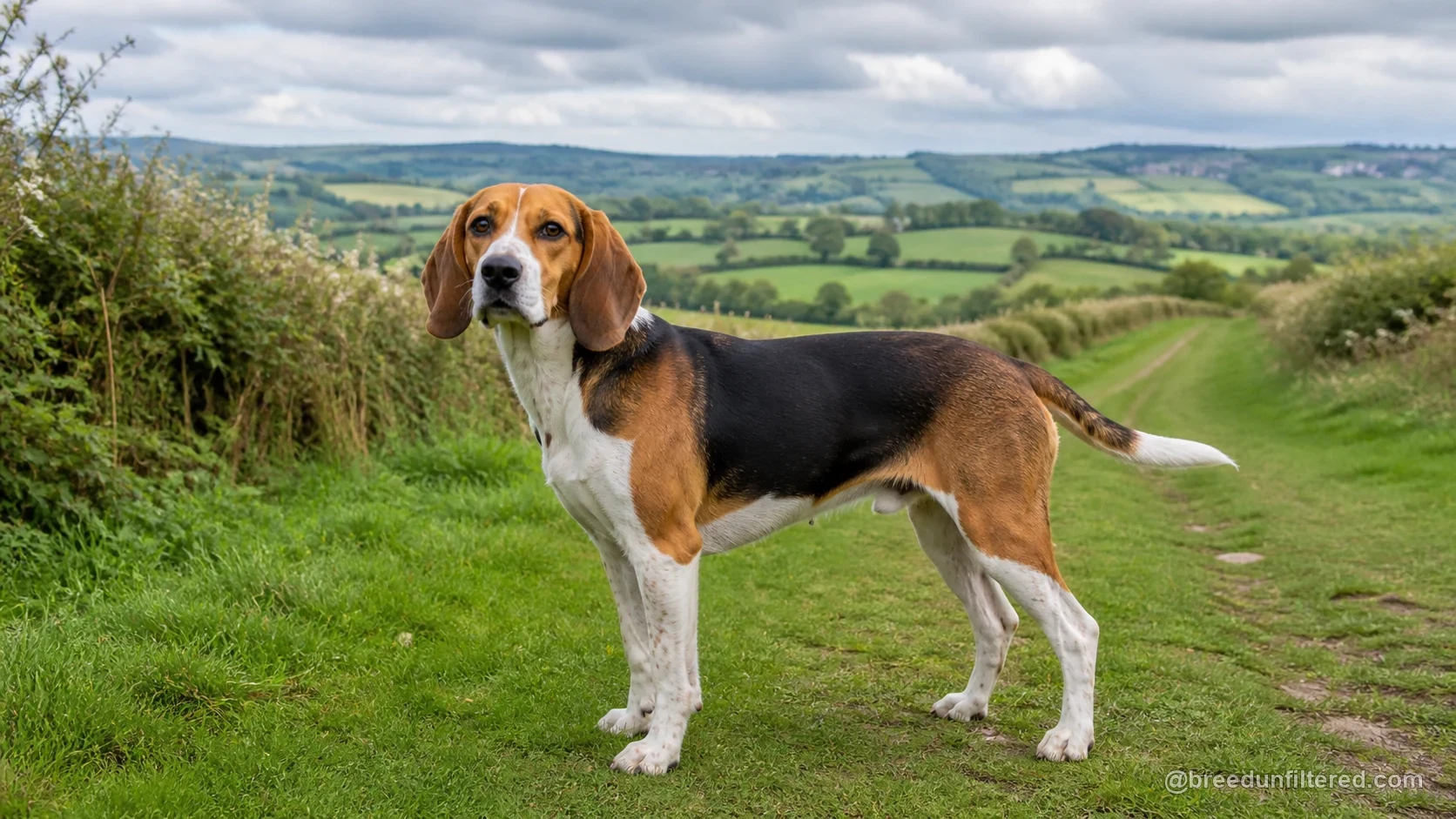
The Beagle Harrier is a French scent hound that strikes a careful balance between the compact Beagle and the taller Harrier. Recognized by the FCI in Group 6, this breed was developed for hunting hare and other small game, yet it has also found a place as a companion in homes that can meet its considerable exercise needs. With a short, dense coat and a cheerful expression, the Beagle Harrier is often described as a friendly and determined dog, but its hound instincts and stamina require thoughtful management.
Prospective owners should understand that this is not a sedentary lapdog. The Beagle Harrier thrives on activity, mental challenges, and consistent training. While it can adapt to family life, its strong nose and independent streak mean that secure fencing and reliable recall are non-negotiable. This article provides an evidence-conscious overview of the breed's characteristics, helping you decide if this energetic hound is the right match for your lifestyle.
Origin and Purpose
The Beagle Harrier originated in France, likely in the 19th century, as a cross between the Beagle and the Harrier. The goal was to create a hound that combined the Beagle's pack drive and scenting ability with the Harrier's speed and endurance, suitable for hunting hare and other small game in varied terrain. The breed was developed to work in packs, following trails with persistence and vocalizing to alert hunters.
Today, the Beagle Harrier is still used for hunting in some regions, but it also participates in dog sports and serves as a companion. The FCI standard (number 290) describes a medium-sized, well-balanced hound with a lively and friendly temperament. Its purpose has shaped its physical and behavioral traits: a strong nose, a melodious bay, and a sociable nature that allows it to work alongside other dogs.
Temperament and Variation
The Beagle Harrier is generally described as outgoing, cheerful, and even-tempered. It is a pack hound, so it tends to get along well with other dogs and enjoys being part of a group. However, individual temperament varies based on genetics, socialization, and training. Some Beagle Harriers may be more reserved, while others are exuberant and always ready for an adventure.
This breed is known for its determination and independence, traits that stem from its hunting heritage. It may follow its nose for long distances, ignoring calls if a scent is too compelling. While not typically aggressive, the Beagle Harrier can be vocal, using its bay to communicate. Prospective owners should be prepared for a dog that is affectionate but not clingy, and that thrives on consistent routines and clear leadership.
Exercise and Mental Work
The Beagle Harrier is a high-energy breed that requires substantial daily exercise to remain physically and mentally healthy. A typical adult will benefit from at least an hour or more of vigorous activity, such as brisk walks, jogs, or off-leash runs in a securely fenced area. Without adequate exercise, this hound may become restless and develop undesirable behaviors like digging or excessive barking.
Mental stimulation is equally important. Scent games, puzzle toys, and nose work can help satisfy the Beagle Harrier's natural drive to track. Activities like lure coursing or tracking trials can be excellent outlets. Owners should avoid relying solely on physical exercise; engaging the dog's mind is crucial to prevent boredom and to build a strong bond. Because of its stamina, the Beagle Harrier can be a great partner for active individuals who enjoy outdoor pursuits.
Training and Socialisation
Training a Beagle Harrier requires patience, consistency, and positive reinforcement. This breed is intelligent but can be stubborn, especially when a scent distracts it. Short, varied sessions with high-value rewards tend to work best. Harsh methods are counterproductive and can damage trust. Early socialization is essential to help the dog become a well-adjusted adult, comfortable with various people, animals, and environments.
Because of its pack-oriented background, the Beagle Harrier generally responds well to group training classes, where it can interact with other dogs. However, recall may be unreliable in the presence of strong scents, so a secure, fenced area is recommended for off-leash exercise. Owners should also teach loose-leash walking, as this hound may pull when following a trail. Consistent training from an early age will help manage its independent streak.
Family and Other Pets
The Beagle Harrier can be a loving family companion, especially in active households. It is generally good with children, though its boisterous nature means interactions should be supervised, particularly with very young kids. The breed's sociable disposition extends to other dogs, and it often enjoys living in a multi-dog home. However, its prey drive is strong, so it may not be safe around small pets like rabbits, guinea pigs, or cats unless raised with them from puppyhood.
Families should be prepared for a dog that may follow its nose and wander, so a securely fenced yard is a must. The Beagle Harrier is not a guard dog; it is more likely to greet strangers with a wagging tail than to act protective. Its vocal nature might make it a good watchdog in the sense of alerting, but it is not aggressive. With proper socialization, it can coexist peacefully with other dogs and children, making it a delightful addition to the right home.
Grooming and Health
The Beagle Harrier has a short, dense coat that is relatively low-maintenance. Weekly brushing with a firm bristle brush or a hound glove will help remove loose hair and keep the coat healthy. Shedding is moderate, with heavier shedding during seasonal changes. Regular ear checks are important, as hounds with floppy ears are prone to ear infections. Nails should be trimmed regularly, and dental hygiene should not be overlooked.
As with many purebred dogs, the Beagle Harrier may be predisposed to certain health conditions, though the breed is generally considered hardy. Potential issues include hip dysplasia, eye disorders, and ear infections. Responsible breeders screen their breeding stock for common conditions. Prospective owners should ask for health clearances and be prepared for routine veterinary care. A balanced diet and regular exercise are key to maintaining overall health and preventing obesity, which can exacerbate joint problems.
Costs and Responsibility
Owning a Beagle Harrier involves significant financial and time commitments. Initial costs include the purchase price from a reputable breeder, which can vary, as well as supplies like a crate, bedding, and food. Ongoing expenses include high-quality dog food, routine veterinary care, vaccinations, and preventive medications. Emergency medical costs can be substantial, so pet insurance is worth considering. Grooming costs are minimal if you do it yourself, but professional grooming may be needed occasionally.
Beyond money, this breed demands a substantial time investment for exercise, training, and companionship. Owners must be prepared for a long-term commitment of 10 to 13 years. The Beagle Harrier is not suited to a sedentary lifestyle or a home without a secure yard. It thrives with an active owner who can provide structure and mental stimulation. Before acquiring one, research breeders, meet the parents, and consider adopting from a rescue. Responsible ownership means understanding the breed's needs and being willing to meet them for the dog's entire life.
Clear answers
FREQUENTLY ASKED QUESTIONS
Is the Beagle Harrier a good family dog?
The Beagle Harrier can be a good family dog for active households. It is generally sociable and good with children, but its boisterous nature requires supervision with young kids. It also gets along well with other dogs, but its prey drive may make it unsafe around small pets unless raised with them. Families must commit to daily exercise and training.
How much exercise does a Beagle Harrier need?
A Beagle Harrier needs substantial daily exercise, typically at least an hour of vigorous activity. This can include brisk walks, jogs, or off-leash runs in a secure area. Mental stimulation is equally important, such as scent games or nose work. Without enough exercise and mental engagement, the breed may become restless and develop behavioral issues.
Are Beagle Harriers easy to train?
Beagle Harriers are intelligent but can be stubborn and easily distracted by scents. Training requires patience, consistency, and positive reinforcement. Short, varied sessions with high-value treats work best. Early socialization and obedience training are essential. Recall may be unreliable, so a secure fence is necessary for off-leash exercise.
Do Beagle Harriers shed a lot?
Beagle Harriers have a short, dense coat that sheds moderately. Shedding increases during seasonal changes. Weekly brushing with a bristle brush or hound glove helps manage loose hair. They are not hypoallergenic, and regular grooming, including ear cleaning and nail trimming, is part of routine care.
What health issues are common in Beagle Harriers?
Beagle Harriers are generally healthy, but like many breeds, they may be prone to hip dysplasia, eye disorders, and ear infections. Responsible breeders screen for these conditions. Regular veterinary check-ups, a balanced diet, and proper exercise can help maintain health. Prospective owners should ask for health clearances from breeders.
Sources and further reading
Scores describe typical breed tendencies from 1 to 10. They are not a quality ranking or a prediction for an individual dog.
Size and presence5/10
CompactVery large
Physical strength5/10
LightExceptional
Energy level9/10
LowRelentless
Exercise demand10/10
ModestVery demanding
Mental work needed8/10
ModerateDaily job
Trainability5/10
ChallengingExceptional
Everyday manageability3/10
SpecialistStraightforward
First-time owner fit3/10
Poor fitGood fit
Family-life fit6/10
LimitedExcellent
Dog sociability8/10
SelectiveVery social
Prey drive9/10
LowVery high
Guarding tendency4/10
MinimalSerious
Independence8/10
Handler-focusedSelf-directed
Grooming demand6/10
LightHeavy
Apartment fit4/10
Poor fitGood fit