Complete breed guide
Beauce Sheepdog OWNERSHIP GUIDE
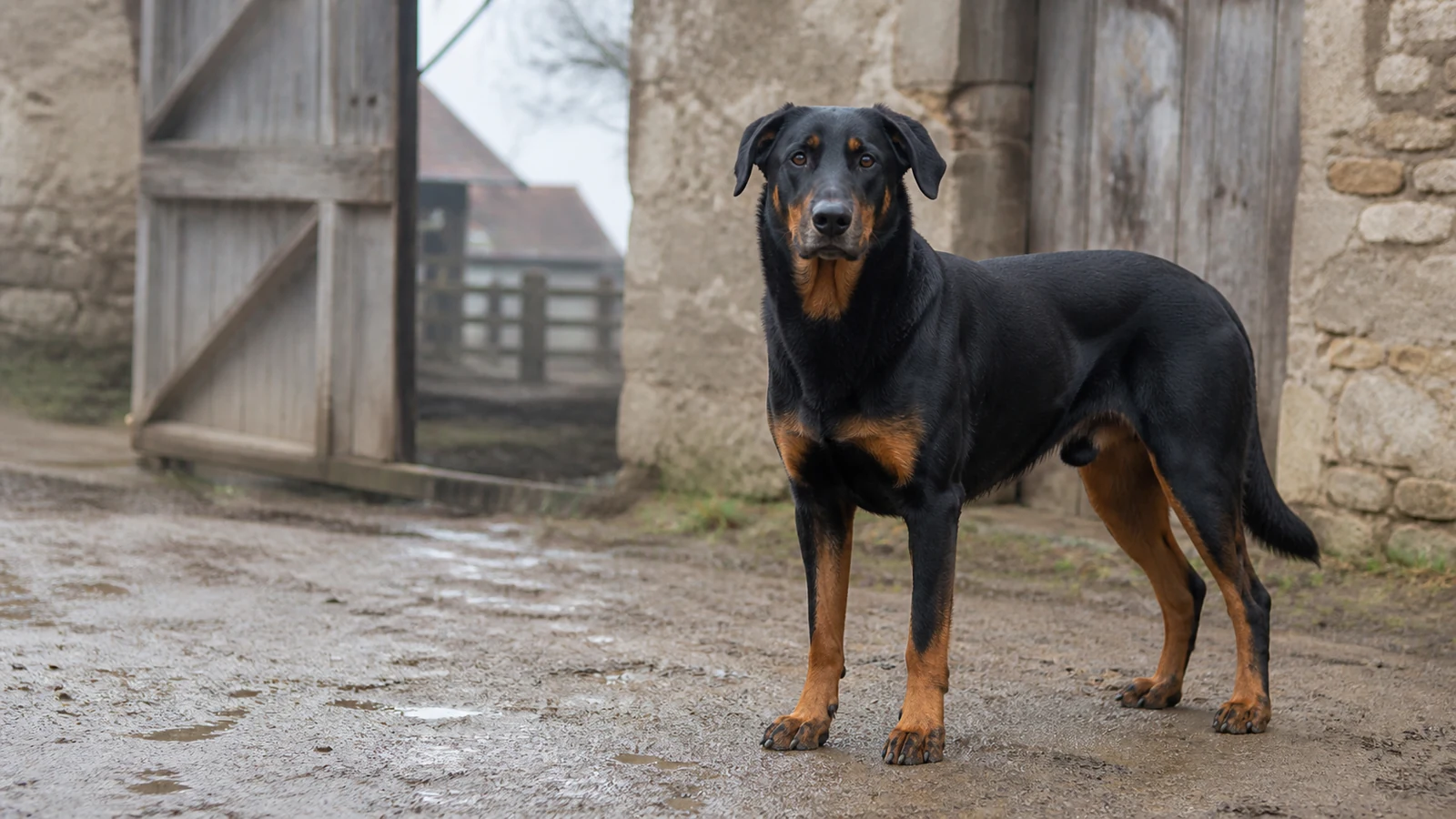
The Beauce Sheepdog, also known as the Berger de Beauce or Bas Rouge, is a large, powerful herding breed from France. Recognized by the Fédération Cynologique Internationale (FCI) in Group 1, this dog has a long history of working livestock, guarding property, and serving as a versatile farm dog. With its distinctive tan markings above the eyes and on the legs, the Beauce Sheepdog presents an imposing yet elegant silhouette. Prospective owners should understand that this is a working breed with significant physical and mental needs, not a casual companion for a sedentary lifestyle.
This article provides an evidence-conscious overview of the Beauce Sheepdog, drawing on breed standards and general knowledge from recognized sources. We will explore the breed's origin, temperament, exercise requirements, training, suitability with families and other pets, grooming, health considerations, and the financial and time commitments involved. By the end, you will have a clearer picture of whether this intelligent and loyal dog is the right match for your home and lifestyle.
Origin and Purpose
The Beauce Sheepdog originates from the Beauce region of northern France, where it has been used for centuries as a herding and guarding dog. The breed's name 'Berger de Beauce' translates to 'Shepherd of Beauce,' and its alternative name 'Bas Rouge' refers to the reddish-tan markings on its legs. The FCI standard (number 44) describes a dog of rustic appearance, well-muscled and imposing, yet not heavy. Historically, these dogs were valued for their ability to manage flocks and protect them from predators, as well as for their role as watchdogs on farms.
The breed was officially recognized by the FCI in the early 20th century, and its standard has been refined over time. Unlike some herding breeds that have transitioned primarily to companion roles, the Beauce Sheepdog remains a capable working dog, often used in herding trials and as a police or military dog in France. Its dual purpose as a herder and guardian has shaped its temperament, making it both independent and protective. Understanding this heritage is crucial for prospective owners, as it explains the breed's high drive and need for purposeful activity.
Temperament and Variation
The Beauce Sheepdog is known for its confident, courageous, and loyal temperament. The FCI standard describes it as 'calm, courageous, and without any nervousness.' It is typically reserved with strangers, making it an excellent watchdog, but it is not naturally aggressive. Individual variation exists, and early socialization plays a significant role in shaping a dog's behavior. Some lines may be more outgoing, while others are more aloof, but the breed generally forms strong bonds with its family and can be protective of them.
While the breed is often described as having a 'strong character,' this does not mean it is inherently difficult. Rather, it requires an owner who can provide consistent leadership and clear boundaries. The Beauce Sheepdog is intelligent and can be independent, which may be mistaken for stubbornness. However, with proper training and a positive relationship, they are eager to work and please. Prospective owners should be prepared for a dog that is always aware of its surroundings and may be wary of unfamiliar people or situations.
Exercise and Mental Work
As a herding breed, the Beauce Sheepdog has substantial exercise needs. It is not a dog that thrives on a short daily walk; it requires vigorous physical activity and mental stimulation to remain balanced. Activities such as long hikes, jogging, or canine sports like agility, obedience, or herding trials can help meet these needs. Without adequate exercise, the breed may develop behavioral issues such as excessive barking, digging, or destructiveness. However, the exact amount varies by individual, age, and health, so owners should tailor an exercise plan accordingly.
Mental work is equally important. The Beauce Sheepdog is a problem-solver and enjoys tasks that engage its mind. Puzzle toys, scent work, and training sessions that challenge its intellect are beneficial. Because it was bred to make decisions independently while herding, it appreciates having a job to do. Owners who can provide both physical and mental outlets will find a content and well-adjusted companion. It is essential to avoid over-exercising puppies, as their growing bones and joints are vulnerable, but adult dogs can handle substantial activity.
Training and Socialisation
Training a Beauce Sheepdog requires patience, consistency, and positive reinforcement methods. The breed is intelligent and responds well to reward-based training, but it can become bored with repetitive drills. Short, varied sessions are more effective than long, monotonous ones. Early socialization is critical to ensure the dog grows into a well-mannered adult. Exposing it to a wide range of people, animals, environments, and sounds from a young age helps reduce wariness and promotes confidence.
The Beauce Sheepdog is not recommended for first-time dog owners due to its strong will and need for experienced handling. It may test boundaries, so owners must be firm but fair. Harsh training methods can damage the trust between dog and owner, leading to fear or aggression. Instead, clear communication and consistent rules are key. This breed excels in advanced obedience and can be a rewarding partner for those willing to invest time in training. Professional guidance, such as puppy classes or working with a trainer familiar with herding breeds, can be invaluable.
Family and Other Pets
The Beauce Sheepdog can be a devoted family companion, especially when raised with children. Its protective nature means it may be watchful over younger family members, but it is not a natural 'nanny dog' and should always be supervised around small children. The breed's herding instinct may lead it to try to round up children, which can be managed through training. With proper socialization, it can coexist with other dogs, though same-sex aggression may occur in some individuals. Its prey drive can be strong, so caution is needed with cats and small animals, especially if not raised together.
Because of its guarding tendencies, the Beauce Sheepdog may be wary of strangers entering the home. Early and ongoing socialization can help it distinguish between normal visitors and actual threats. It is not a breed that should be left alone for long periods, as it thrives on human interaction and can become destructive if bored. Families that include the dog in daily activities and provide consistent structure will likely find a loyal and affectionate companion. However, households with very young children or numerous small pets may face additional challenges.
Grooming and Health
The Beauce Sheepdog has a double coat that is relatively low-maintenance but does shed. Weekly brushing is usually sufficient, with more frequent brushing during seasonal shedding periods. The coat is weather-resistant and does not require frequent bathing. Routine care includes nail trimming, ear cleaning, and dental hygiene. The breed is generally healthy, but like all purebreds, it may be predisposed to certain conditions. Hip dysplasia, a common orthopedic issue in large breeds, can occur, and responsible breeders screen for it. Other potential concerns include eye disorders and bloat (gastric dilatation-volvulus), which is an emergency condition.
Prospective owners should seek breeders who perform health screenings and provide health clearances for their breeding dogs. Regular veterinary check-ups, a balanced diet, and appropriate exercise can help maintain overall health. It is important to note that the breed's lifespan is typically around 10-12 years, though individual variation exists. Owners should be prepared for potential veterinary costs associated with large-breed health issues. While the Beauce Sheepdog is not considered a high-maintenance breed in terms of grooming, its health needs should not be overlooked.
Costs and Responsibility
Owning a Beauce Sheepdog involves significant financial and time commitments. Initial costs include purchasing a puppy from a reputable breeder, which can be expensive, as well as supplies such as a crate, bedding, food, and veterinary care. Ongoing expenses include high-quality dog food, routine vet visits, vaccinations, parasite prevention, and pet insurance. Additionally, because the breed requires substantial exercise and mental stimulation, owners must allocate time daily for walks, training, and play. Professional training classes or dog sports may also incur costs.
Beyond finances, responsible ownership means providing a suitable living environment. A Beauce Sheepdog is not well-suited to apartment living unless the owner is exceptionally dedicated to meeting its exercise needs; a home with a securely fenced yard is preferable. The breed's guarding instincts mean that proper fencing and supervision are essential to prevent escapes. Owners must also be prepared for the dog's lifespan and the long-term commitment of care. Adopting from a rescue or breed-specific organization is an alternative to purchasing from a breeder, and it can be a rewarding way to give a dog a second chance. Ultimately, the decision to bring a Beauce Sheepdog into your life should be made with careful consideration of your ability to meet its needs.
Clear answers
FREQUENTLY ASKED QUESTIONS
Is the Beauce Sheepdog a good family dog?
The Beauce Sheepdog can be a good family dog for experienced owners who can provide training and socialization. It is loyal and protective, but its herding instincts and wariness of strangers require careful management, especially around young children. With proper upbringing, it can be a devoted companion.
How much exercise does a Beauce Sheepdog need?
The Beauce Sheepdog needs substantial daily exercise, including long walks, runs, or play sessions, plus mental stimulation. It is a working breed that thrives on activity and can become destructive if under-exercised. The exact amount varies by individual, but expect at least one to two hours of vigorous activity per day.
Are Beauce Sheepdogs good with other pets?
With early socialization, Beauce Sheepdogs can coexist with other dogs and cats, but their herding and prey drive may be strong. They may try to herd small animals or be aggressive toward same-sex dogs. Supervision and training are essential, and introductions should be gradual.
What are common health issues in Beauce Sheepdogs?
Beauce Sheepdogs are generally healthy, but they may be prone to hip dysplasia, eye disorders, and bloat (gastric dilatation-volvulus). Responsible breeders screen for these conditions. Regular veterinary care and a healthy lifestyle can help mitigate risks, but owners should be aware of potential costs.
Is the Beauce Sheepdog suitable for first-time owners?
The Beauce Sheepdog is not typically recommended for first-time owners due to its strong-willed and independent nature. It requires experienced handling, consistent training, and ample exercise. Novice owners may find the breed challenging, but with dedication and professional guidance, it can be managed.
Sources and further reading
Scores describe typical breed tendencies from 1 to 10. They are not a quality ranking or a prediction for an individual dog.
Size and presence6/10
CompactVery large
Physical strength6/10
LightExceptional
Energy level8/10
LowRelentless
Exercise demand9/10
ModestVery demanding
Mental work needed10/10
ModerateDaily job
Trainability7/10
ChallengingExceptional
Everyday manageability3/10
SpecialistStraightforward
First-time owner fit4/10
Poor fitGood fit
Family-life fit7/10
LimitedExcellent
Dog sociability3/10
SelectiveVery social
Prey drive7/10
LowVery high
Guarding tendency8/10
MinimalSerious
Independence7/10
Handler-focusedSelf-directed
Grooming demand6/10
LightHeavy
Apartment fit4/10
Poor fitGood fit