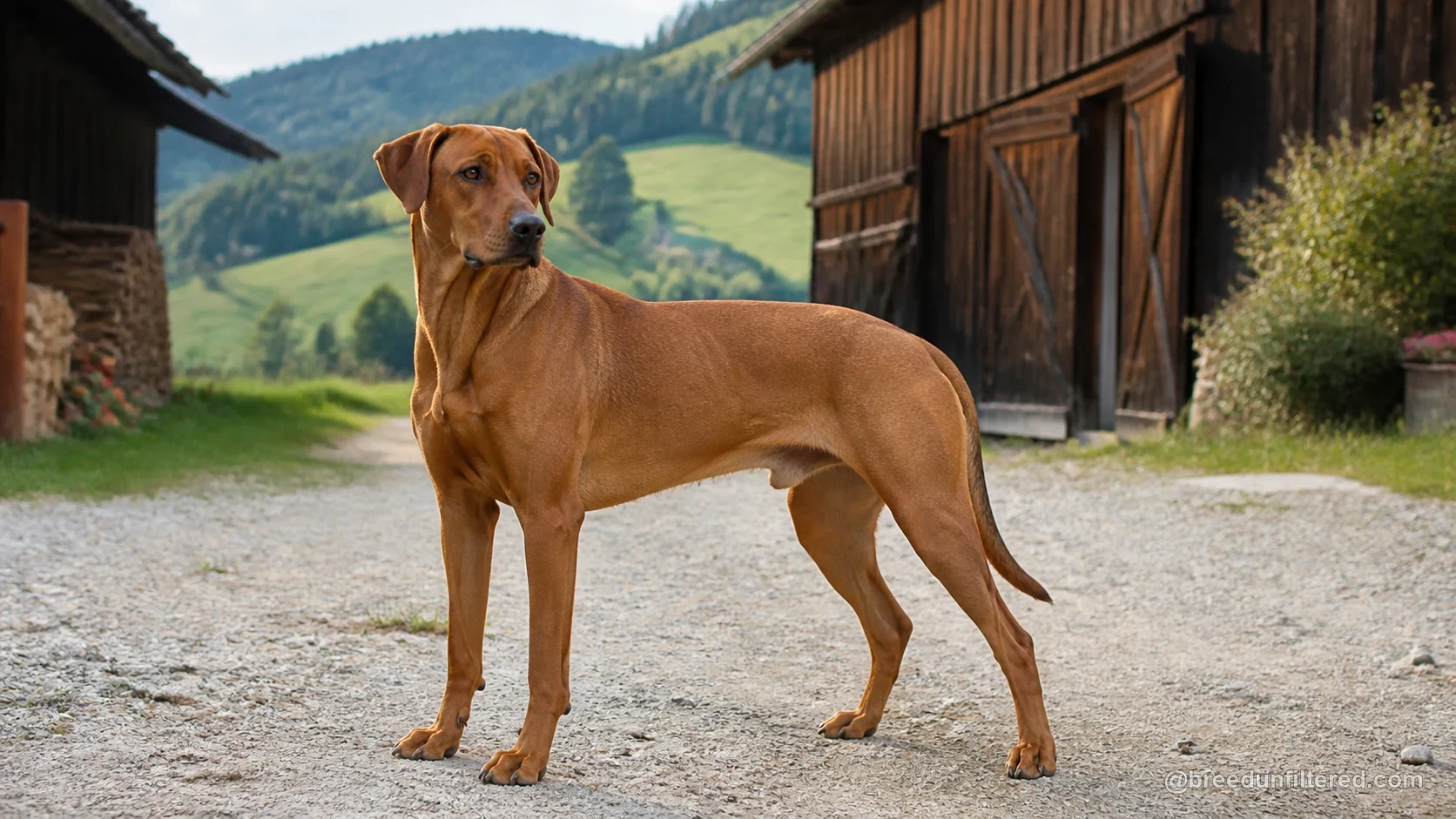
Complete breed guide
Austrian Pinscher OWNERSHIP GUIDE
The Austrian Pinscher, also known as the Österreichischer Pinscher, is a medium-sized working dog with roots in the rural farmlands of Austria. Recognized by the Fédération Cynologique Internationale (FCI) in Group 2, this breed was historically valued for its versatility: it served as a ratter, a livestock guardian, and a loyal companion to farmers. Today, it remains a relatively rare breed outside its homeland, but its intelligence, alertness, and robust constitution make it an intriguing choice for experienced dog owners seeking an active and capable partner.
This guide offers a balanced overview of the Austrian Pinscher, drawing on the official FCI standard and general breed knowledge. We will explore the breed's origin, temperament, exercise and training needs, suitability for families and other pets, grooming and health considerations, and the responsibilities that come with ownership. Remember that every dog is an individual, and early socialization and consistent training play a crucial role in shaping behavior. Prospective owners should always seek advice from reputable breeders and veterinarians.
Origin and Purpose
The Austrian Pinscher is an old breed that developed in the rural regions of Austria, where it was a multi-purpose farm dog. Its ancestors likely included various European pinscher and terrier types, and it was bred to control vermin, guard property, and accompany livestock. The breed was officially recognized in the early 20th century, but its numbers declined during the world wars. Thanks to dedicated breeders, it has survived and remains a working dog at heart, though it is now also kept as a companion.
The FCI standard describes the Austrian Pinscher as a medium-sized, sturdy dog with a lively and alert temperament. Its historical role as a versatile farm worker means it is adaptable and capable of learning a variety of tasks. This heritage influences its modern-day needs: it thrives when given a job to do, whether that involves participating in dog sports, learning tricks, or accompanying its owner on long hikes. Understanding this background is essential for anyone considering the breed.
Temperament and Variation
The Austrian Pinscher is typically described as lively, intelligent, and self-assured. It is often alert and watchful, making it a good watchdog, but it is not usually aggressive without reason. The breed tends to form strong bonds with its family and can be affectionate, though it may be reserved with strangers. Individual temperaments vary, and early socialization plays a key role in developing a well-rounded adult dog.
As with any breed, there is variation in temperament among individuals. Some Austrian Pinschers may be more outgoing, while others are more cautious. They are generally not considered a 'soft' breed; they can be independent and may test boundaries. This means they are best suited to owners who can provide firm, consistent guidance. The breed's working background also means it has a moderate to high energy level and a strong prey drive, which should be managed through training and controlled environments.
Exercise and Mental Work
The Austrian Pinscher is an active breed that requires regular physical exercise to stay healthy and content. Daily walks, play sessions, and opportunities to run in a securely fenced area are important. However, exercise needs can vary with age and individual health, so it is best to tailor activities to your dog's condition. As a working breed, it also benefits from mental stimulation, such as puzzle toys, scent games, or obedience training, to prevent boredom and destructive behaviors.
Mental work is as crucial as physical exercise for this intelligent breed. Engaging your Austrian Pinscher in tasks that challenge its mind can help channel its energy positively. Activities like agility, nose work, or even simple trick training can be rewarding. Without adequate mental and physical outlets, the breed may develop undesirable habits, such as excessive barking or digging. Prospective owners should be prepared to dedicate time each day to both exercise and enrichment.
Training and Socialisation
Training an Austrian Pinscher requires patience, consistency, and a positive approach. This breed is intelligent and can learn quickly, but it may also be stubborn or independent. Harsh methods are counterproductive; instead, using rewards like treats and praise works well. Early obedience training is recommended to establish good manners and a strong bond. The breed responds best to a confident owner who sets clear rules and boundaries.
Socialisation is equally important. Exposing your Austrian Pinscher to a variety of people, animals, and environments from a young age helps it become a well-adjusted adult. Because of its guarding instincts, it may be wary of strangers, but proper socialisation can reduce excessive suspicion. It is also important to manage interactions with other dogs, as some individuals may be assertive. Puppy classes and controlled introductions can be beneficial.
Family and Other Pets
The Austrian Pinscher can make a loyal and playful family companion, especially in homes with older children who understand how to interact with dogs. It is generally robust and energetic, but its herding and guarding instincts may lead it to chase or nip at running children, so supervision is advised. With proper training, it can learn to be gentle, but it may not be the best choice for families with very young children due to its boisterous nature.
Regarding other pets, the Austrian Pinscher has a strong prey drive, which means it may not be reliable with small animals like rodents or birds. It can coexist with cats if raised with them, but introductions should be careful and gradual. With other dogs, it may be dominant or assertive, especially with same-sex individuals. Early and ongoing socialisation is key to fostering peaceful relationships. Prospective owners should assess their household dynamics and be prepared to manage these tendencies.
Grooming and Health
The Austrian Pinscher has a short, dense coat that is relatively low-maintenance. Regular brushing, about once a week, helps remove loose hair and keep the coat healthy. It sheds moderately, and more frequent brushing may be needed during seasonal changes. Bathing should be done only when necessary to avoid stripping natural oils. Routine care includes nail trimming, ear cleaning, and dental hygiene, which are important for overall health.
As a generally robust breed, the Austrian Pinscher does not have a long list of breed-specific health issues, but like all dogs, it can be prone to certain conditions. Responsible breeders screen for hip dysplasia and eye disorders. Regular veterinary check-ups, a balanced diet, and appropriate exercise contribute to a long and healthy life. It is essential to obtain a puppy from a breeder who performs health tests and provides documentation. Always consult a veterinarian for any health concerns.
Costs and Responsibility
Owning an Austrian Pinscher involves financial and time commitments. Initial costs include the purchase price from a reputable breeder, which can vary, as well as supplies like a crate, bedding, and food. Ongoing expenses include high-quality dog food, routine veterinary care, vaccinations, and preventive medications. Emergency medical costs and pet insurance are also worth considering. Additionally, training classes and activities may add to the budget.
Beyond finances, responsible ownership means providing proper care, training, and attention throughout the dog's life. The Austrian Pinscher is not a low-energy or low-maintenance breed; it requires daily exercise, mental stimulation, and companionship. It may not thrive if left alone for long periods. Prospective owners should evaluate their lifestyle and ensure they can meet the breed's needs. Adoption from a rescue or breed-specific organization is also an option, and it is important to research and prepare thoroughly before bringing any dog home.
Clear answers
FREQUENTLY ASKED QUESTIONS
Is the Austrian Pinscher a good family dog?
The Austrian Pinscher can be a good family dog for active households with older children who respect the dog's space. It is loyal and playful, but its herding and guarding instincts may lead to nipping or chasing, so supervision is necessary. Early socialisation and training are crucial to ensure it interacts safely with children and other pets.
How much exercise does an Austrian Pinscher need?
The Austrian Pinscher is an active breed that needs daily physical exercise, such as brisk walks, playtime, and opportunities to run in a secure area. The exact amount varies by age and health, but generally, at least an hour of activity per day is recommended. Mental stimulation is equally important to prevent boredom.
Are Austrian Pinschers easy to train?
Austrian Pinschers are intelligent and can learn quickly, but they may be independent and stubborn. Training requires patience, consistency, and positive reinforcement methods. Early obedience training and socialisation are essential. They respond best to a confident owner who provides clear leadership and rewards-based training.
Do Austrian Pinschers get along with other dogs?
Austrian Pinschers can be assertive or dominant with other dogs, especially those of the same sex. Early and ongoing socialisation can help them learn appropriate behavior, but some individuals may never be fully reliable. Supervised introductions and careful management are recommended when introducing them to new dogs.
What are the grooming requirements for an Austrian Pinscher?
The Austrian Pinscher has a short, dense coat that requires minimal grooming. Weekly brushing helps remove loose hair and maintain coat health. They shed moderately, and more frequent brushing may be needed during shedding seasons. Routine care includes nail trimming, ear cleaning, and dental hygiene.
Sources and further reading
Scores describe typical breed tendencies from 1 to 10. They are not a quality ranking or a prediction for an individual dog.
Size and presence8/10
CompactVery large
Physical strength9/10
LightExceptional
Energy level4/10
LowRelentless
Exercise demand4/10
ModestVery demanding
Mental work needed7/10
ModerateDaily job
Trainability6/10
ChallengingExceptional
Everyday manageability2/10
SpecialistStraightforward
First-time owner fit2/10
Poor fitGood fit
Family-life fit6/10
LimitedExcellent
Dog sociability4/10
SelectiveVery social
Prey drive8/10
LowVery high
Guarding tendency10/10
MinimalSerious
Independence8/10
Handler-focusedSelf-directed
Grooming demand3/10
LightHeavy
Apartment fit3/10
Poor fitGood fit