Complete breed guide
Australian Terrier OWNERSHIP GUIDE
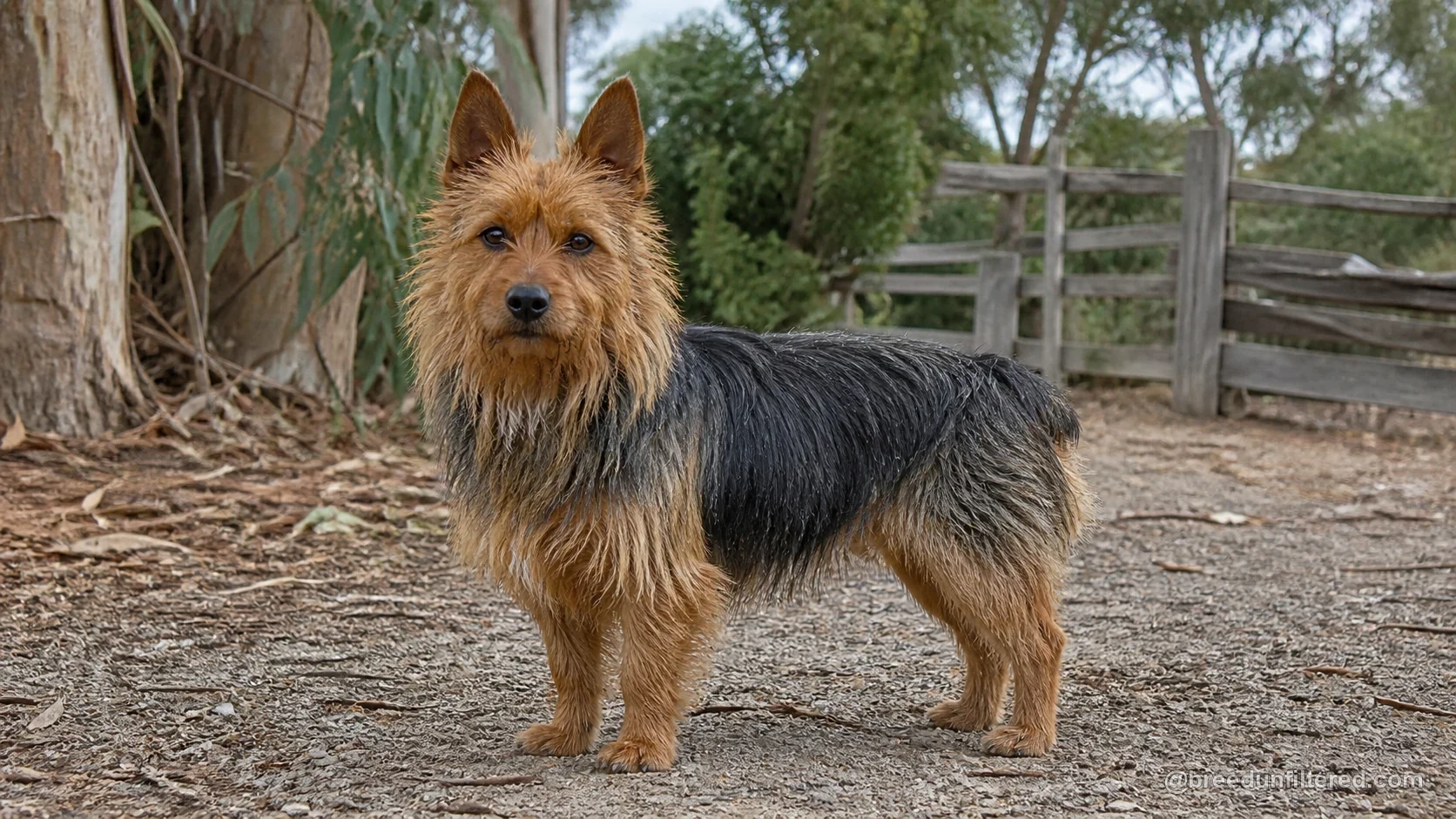
The Australian Terrier is a small, sturdy dog with a big personality, hailing from Australia where it was developed to hunt rodents and snakes. Despite its diminutive size, it is a true terrier at heart: alert, spirited, and confident. This breed is known for its shaggy double coat, erect ears, and a docked tail, though tail docking is now banned in many countries. As a companion, the Australian Terrier offers a blend of playfulness and loyalty, making it a delightful addition to many households.
Prospective owners should understand that this breed is not a lapdog in the traditional sense; it is an active, intelligent dog that thrives on engagement and purpose. While it adapts well to apartment living given sufficient exercise, its terrier instincts can lead to digging, barking, and a strong prey drive. This guide provides an evidence-conscious overview of the Australian Terrier's history, temperament, care requirements, and potential challenges, helping you decide if this breed is the right fit for your lifestyle.
Origin and Purpose
The Australian Terrier is one of the oldest native Australian breeds, with roots tracing back to the early 19th century. It was developed by crossing various British terriers, including the Cairn, Skye, and Yorkshire Terriers, to create a hardy, fearless ratter capable of working on farms and in the harsh Australian outback. The breed was officially recognized by the Australian National Kennel Council in 1933 and later by the FCI, which classifies it in Group 3 (Terriers) under the standard number 8.
Historically, the Australian Terrier served as a versatile working dog, hunting rodents and snakes, guarding property, and even acting as a companion to settlers. Its small size and sturdy build allowed it to navigate rough terrain, while its keen senses and determination made it an effective vermin hunter. Today, while its working role has diminished, the breed retains its instinctual drive and alertness, which can manifest in behaviors like chasing small animals or barking at perceived threats.
Temperament and Variation
The Australian Terrier is known for its spirited, affectionate, and loyal nature. It forms strong bonds with its family and often displays a playful, mischievous side. Despite its small stature, it carries itself with confidence and may exhibit a 'big dog' attitude, being fearless in the face of larger animals. Individual temperaments can vary, influenced by genetics, socialization, and training, so it is essential to meet the parents or spend time with the puppy before committing.
While generally friendly and outgoing, the Australian Terrier can be reserved with strangers and may be vocal, making it a decent watchdog. It tends to get along well with children if raised with them, but its terrier tenacity means it may not tolerate rough handling. Early and ongoing socialization is crucial to help it distinguish between normal and threatening situations. As with any breed, there is variation in temperament, so prospective owners should be prepared for a dog that is both affectionate and independent.
Exercise and Mental Work
The Australian Terrier is an energetic breed that requires daily physical activity to stay healthy and happy. A couple of brisk walks, play sessions in a securely fenced yard, or interactive games like fetch can meet its exercise needs. However, it is not a high-endurance athlete; moderate exercise is typically sufficient. Without adequate outlets, this terrier may channel its energy into undesirable behaviors such as excessive digging or barking.
Mental stimulation is equally important for this intelligent breed. Puzzle toys, obedience training, and scent games can keep its mind engaged and prevent boredom. Because it was bred to hunt, it enjoys activities that tap into its natural instincts, such as earthdog trials or nose work. Providing a variety of mental challenges can help channel its energy constructively and strengthen the bond between dog and owner.
Training and Socialisation
Training an Australian Terrier requires patience, consistency, and positive reinforcement methods. This breed is intelligent but can be stubborn and independent, so harsh training techniques are counterproductive. Short, engaging sessions with treats and praise work best. Early socialization is vital to help the dog become well-adjusted and to mitigate any tendencies toward wariness or aggression. Exposing it to various people, animals, and environments during puppyhood can foster a confident, friendly adult.
Because of its terrier heritage, the Australian Terrier may have a strong prey drive and a tendency to chase small animals. Reliable recall is essential, and leash training is recommended to prevent it from darting after squirrels or cats. Crate training can also be beneficial for housebreaking and providing a safe den. With consistent guidance, this breed can excel in obedience and even dog sports, but owners should be prepared for occasional stubbornness.
Family and Other Pets
The Australian Terrier can make a wonderful family companion, especially for households with older children who understand how to interact respectfully with dogs. It is playful and affectionate, often forming a strong bond with one primary person. However, its small size and sturdy build mean it can be accidentally injured by very young children, so supervision is advised. With proper socialization, it can live peacefully with other dogs, but its prey drive may make it unsuitable for homes with small pets like hamsters or birds.
When it comes to other dogs, the Australian Terrier generally gets along well if introduced properly, but it may display same-sex aggression or assertiveness. Early and ongoing socialization with other canines can help mitigate these tendencies. As a breed, it is not typically aggressive but can be territorial, so it may bark at unfamiliar visitors. Prospective owners should consider their household dynamics and be prepared to manage the dog's interactions with other animals.
Grooming and Health
The Australian Terrier has a harsh, wiry outer coat and a soft undercoat, which requires regular grooming to keep it in good condition. Weekly brushing is recommended to prevent mats and tangles, and occasional hand-stripping or clipping may be needed to maintain the coat's texture. The breed is considered low-shedding, which may be appealing to some owners, but it still requires routine care such as nail trimming, ear cleaning, and dental hygiene.
As with many purebred dogs, the Australian Terrier may be prone to certain health conditions, though it is generally a hardy breed. Potential issues include patellar luxation, Legg-Calve-Perthes disease, and eye disorders such as cataracts. Responsible breeders screen for these conditions, and prospective owners should ask for health clearances. Regular veterinary check-ups, a balanced diet, and appropriate exercise can help maintain overall health. It is important to note that not all individuals will develop these conditions, and this information is not a substitute for professional veterinary advice.
Costs and Responsibility
Owning an Australian Terrier involves financial and time commitments. Initial costs include the purchase price from a reputable breeder, which can vary, as well as supplies like a crate, bedding, food, and grooming tools. Ongoing expenses include high-quality dog food, routine veterinary care, vaccinations, and preventive medications. Grooming costs may also arise if you choose professional services. Additionally, pet insurance can help manage unexpected medical bills.
Beyond finances, responsible ownership requires a significant investment of time and energy. This breed needs daily exercise, mental stimulation, and social interaction. It thrives in an environment where it is included in family activities and given a sense of purpose. Prospective owners should assess their lifestyle to ensure they can meet the breed's needs for the dog's entire lifespan, which can be 12 to 15 years. Adopting from a rescue or shelter is also a commendable option, as many Australian Terriers are in need of loving homes.
Clear answers
FREQUENTLY ASKED QUESTIONS
Are Australian Terriers good with children?
Australian Terriers can be good with children, especially when raised with them and properly socialized. They are playful and affectionate, but their small size and sturdy build mean they can be accidentally injured by very young children. Supervision is recommended, and teaching children how to interact respectfully with dogs is essential. As with any breed, individual temperaments vary, so early socialization and positive experiences are key.
Do Australian Terriers shed a lot?
Australian Terriers are considered low-shedding dogs, which can be appealing to allergy sufferers. However, they still require regular grooming to maintain their wiry coat and prevent mats. Weekly brushing and occasional hand-stripping or clipping are typically needed. While they may shed less than some breeds, no dog is truly hypoallergenic, and individual shedding can vary.
How much exercise does an Australian Terrier need?
Australian Terriers are energetic and require daily exercise to stay healthy and happy. A couple of brisk walks, play sessions in a fenced yard, or interactive games are usually sufficient. They also benefit from mental stimulation, such as puzzle toys or training sessions. Without adequate exercise, they may become bored and develop undesirable behaviors like excessive barking or digging.
Are Australian Terriers easy to train?
Australian Terriers are intelligent but can be stubborn and independent, making training a challenge for novice owners. They respond best to positive reinforcement methods, such as treats and praise, and short, engaging sessions. Consistency and patience are crucial. Early socialization and obedience training are recommended to help them become well-mannered companions.
Do Australian Terriers get along with other pets?
Australian Terriers can get along with other dogs, especially if socialized from a young age. However, they have a strong prey drive, so they may not be suitable for homes with small animals like hamsters, birds, or rabbits. With proper introduction and supervision, they can coexist with cats, but individual temperaments vary. Early socialization is key to fostering positive relationships.
Sources and further reading
Scores describe typical breed tendencies from 1 to 10. They are not a quality ranking or a prediction for an individual dog.
Size and presence4/10
CompactVery large
Physical strength5/10
LightExceptional
Energy level8/10
LowRelentless
Exercise demand8/10
ModestVery demanding
Mental work needed8/10
ModerateDaily job
Trainability6/10
ChallengingExceptional
Everyday manageability3/10
SpecialistStraightforward
First-time owner fit4/10
Poor fitGood fit
Family-life fit6/10
LimitedExcellent
Dog sociability3/10
SelectiveVery social
Prey drive10/10
LowVery high
Guarding tendency5/10
MinimalSerious
Independence7/10
Handler-focusedSelf-directed
Grooming demand4/10
LightHeavy
Apartment fit7/10
Poor fitGood fit