Complete breed guide
Appennine Hound - Italian Hare-Hunting Dog OWNERSHIP GUIDE
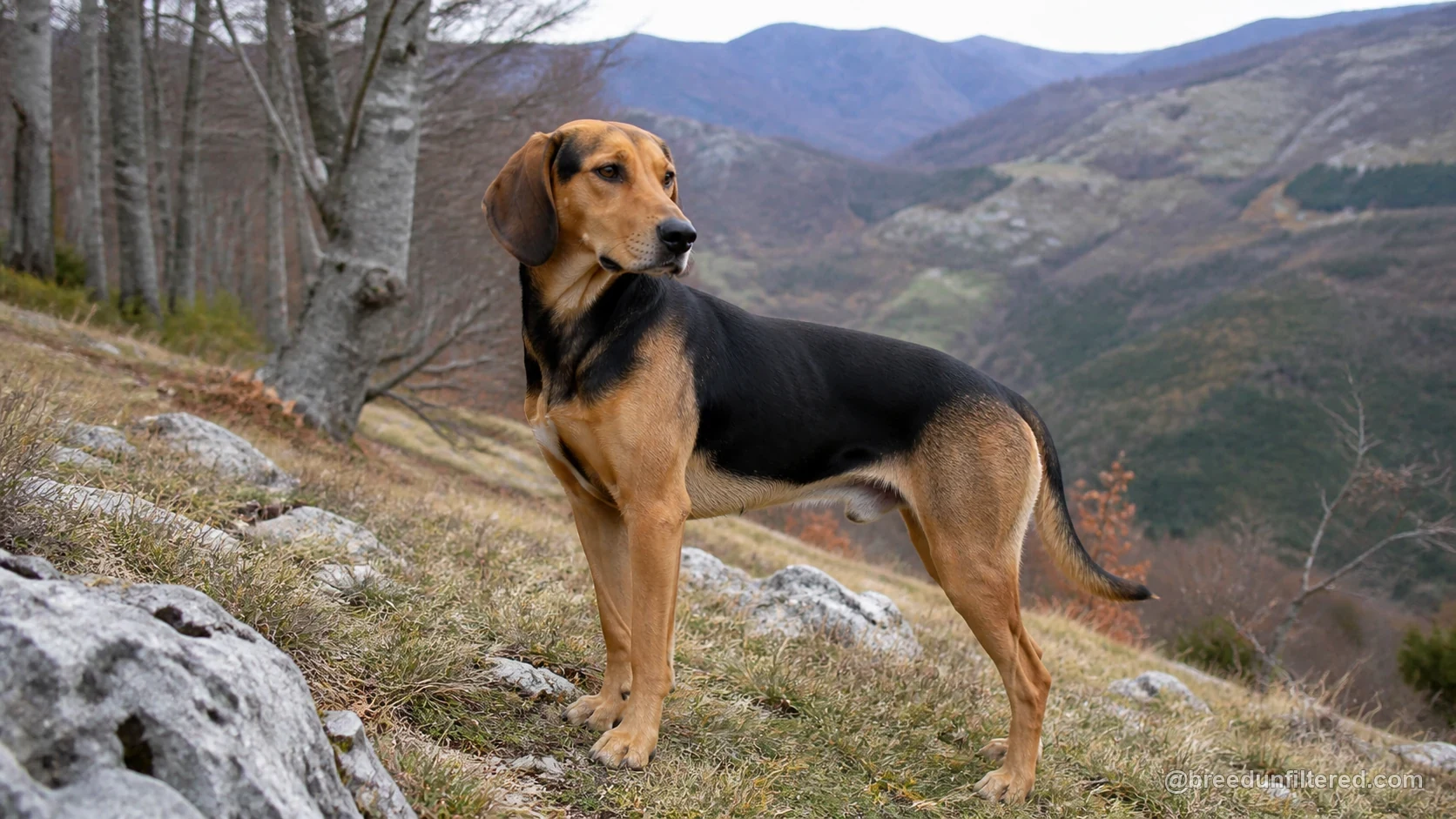
The Appennine Hound, also known as the Italian Hare-Hunting Dog, is a rare and ancient scent hound originating from the Apennine Mountains of central Italy. Recognized provisionally by the FCI, this breed was developed to hunt hares in challenging terrain, using its keen nose and persistent tracking ability. For prospective owners, understanding this breed's purpose is essential, as it shapes nearly every aspect of its temperament and care requirements.
This article provides an evidence-conscious overview of the Appennine Hound, drawing on the official FCI standard and general knowledge of scent hounds. We will explore its origins, temperament, exercise needs, training, and suitability for family life. While individual dogs vary, this guide aims to help you decide if this rare breed aligns with your lifestyle and capabilities.
Origin and Purpose
The Appennine Hound, or Segugio dell'Appennino, hails from the Apennine mountain range that runs through central Italy. Its development was driven by the need for a dog capable of hunting hare in dense, rugged terrain. The breed is closely related to other Italian segugi, but it has been selectively bred for its endurance and ability to work independently in challenging conditions. The FCI standard, number 375, describes a dog that is 'provisionally recognised', reflecting its relatively recent formal recognition.
Historically, these hounds were prized by hunters for their exceptional scenting ability and their persistent, methodical tracking style. They were expected to work in packs or individually, often in harsh weather and over long distances. This purpose has shaped the breed's physical and mental characteristics, including its strong prey drive, stamina, and a certain degree of independence. Understanding this heritage is crucial for anyone considering the breed, as it influences their daily needs and behavior.
Temperament and Variation
The Appennine Hound is typically described as determined, intelligent, and somewhat reserved with strangers. As a scent hound, it is driven by its nose and can become single-minded when following a trail. While individual temperaments vary, the breed generally exhibits a strong prey drive and a tendency to vocalize, which is common among hounds. They are often described as loyal to their family but may be aloof with unfamiliar people.
It is important to avoid universal claims about temperament, as each dog is an individual. However, the breed's hunting background suggests that they are not typically suited to a purely sedentary lifestyle. They thrive when given a job or regular opportunities to use their nose. Prospective owners should be prepared for a dog that may be independent and sometimes stubborn, requiring patience and consistent handling.
Exercise and Mental Work
Given their heritage as hunting dogs, Appennine Hounds have substantial exercise needs. They are not couch potatoes and require daily opportunities to run and explore. A securely fenced area is essential, as their prey drive can lead them to chase small animals. Long walks, hikes, and off-lead time in safe areas are beneficial, but it is crucial to ensure reliable recall, which can be challenging for a hound focused on a scent.
Mental stimulation is equally important. Scent games, tracking exercises, and puzzle toys can help satisfy their innate desire to use their nose. Without adequate physical and mental outlets, these dogs may become bored and develop undesirable behaviors such as excessive barking or digging. Prospective owners should be prepared to dedicate significant time to exercise and enrichment activities.
Training and Socialisation
Training an Appennine Hound requires patience and a positive, reward-based approach. They are intelligent but can be independent, so traditional obedience may be met with resistance. Early socialisation is vital to help them become well-adjusted adults, especially given their natural wariness of strangers. Exposing them to various people, environments, and other animals in a controlled manner can reduce the risk of fearfulness or aggression.
Consistency and fairness are key. Harsh training methods are counterproductive and can damage the bond between dog and owner. Because of their strong prey drive, recall training is particularly important and should be practiced in safe, enclosed areas. Owners may also need to manage their dog's vocalizations, as hounds often bay or bark when excited. Professional training classes can be beneficial, especially for first-time hound owners.
Family and Other Pets
Appennine Hounds can be affectionate and loyal companions for families, but they may not be ideal for households with very young children. Their size and energy could inadvertently knock over toddlers, and their independent nature may not tolerate rough handling. With older children who understand how to interact respectfully, they can be wonderful playmates. Supervision is always recommended.
Regarding other pets, the breed's high prey drive can be a concern. They may not be safe around small animals such as rabbits, guinea pigs, or cats, as their instinct to chase is strong. However, early socialisation with other dogs can help them get along, especially if they are raised together. It is essential to assess each dog individually and never leave them unsupervised with small pets.
Grooming and Health
The Appennine Hound has a short, dense coat that is relatively low-maintenance. Weekly brushing is usually sufficient to remove loose hair and keep the coat healthy. They are moderate shedders, and during seasonal changes, more frequent grooming may be needed. Regular ear checks are important, as floppy-eared dogs are prone to ear infections. Nail trimming and dental care should be part of the routine.
As with many purebred dogs, the Appennine Hound may be predisposed to certain health conditions, though specific data is limited due to its rarity. Common issues in similar breeds include hip dysplasia, ear infections, and bloat. Prospective owners should seek a responsible breeder who screens for hereditary conditions and provides health clearances. Regular veterinary check-ups and a balanced diet are essential for overall well-being.
Costs and Responsibility
Owning an Appennine Hound is a significant financial and time commitment. Initial costs include the purchase price, which can be high due to the breed's rarity, as well as supplies such as crates, bedding, and food. Ongoing expenses include high-quality nutrition, routine veterinary care, vaccinations, and preventive medications. Emergency medical costs should also be considered, and pet insurance may be a wise investment.
Beyond finances, this breed requires a dedicated owner who can meet its exercise and mental needs. They are not suited to apartment living unless an extraordinary effort is made to provide sufficient activity. A home with a securely fenced yard is ideal. Prospective owners should also consider the breed's potential for vocalization and the need for ongoing training. Responsible ownership means being prepared for a long-term commitment, as these dogs can live 10-14 years.
Clear answers
FREQUENTLY ASKED QUESTIONS
Is the Appennine Hound good with children?
Appennine Hounds can be good with older children who understand how to interact respectfully with dogs. Their size and energy may be too much for very young children, and supervision is always recommended. Early socialisation and training can help them become well-mannered family members, but individual temperaments vary.
How much exercise does an Appennine Hound need?
As a hunting breed, the Appennine Hound requires substantial daily exercise, including long walks and opportunities to run in a safe, fenced area. They also benefit from mental stimulation such as scent games. Without adequate activity, they may become bored and develop behavioral issues.
Are Appennine Hounds easy to train?
Training an Appennine Hound can be challenging due to their independent nature and strong prey drive. They respond best to positive, reward-based methods and consistent, patient handling. Early socialisation and recall training are essential. Harsh methods are counterproductive and can harm the bond.
Do Appennine Hounds get along with other pets?
Due to their high prey drive, Appennine Hounds may not be safe around small animals like cats or rabbits. They can often get along with other dogs, especially if raised together, but supervision is necessary. Individual assessment is crucial, and they should never be left unsupervised with small pets.
What is the lifespan of an Appennine Hound?
The typical lifespan of an Appennine Hound is around 10 to 14 years, though this can vary based on genetics, diet, and overall care. As with any breed, regular veterinary check-ups and a healthy lifestyle can contribute to a longer, healthier life.
Sources and further reading
15-point breed scorecard
APPENNINE HOUND - ITALIAN HARE-HUNTING DOG AT A GLANCE
Compare this breedScores describe typical breed tendencies from 1 to 10. They are not a quality ranking or a prediction for an individual dog.
Size and presence5/10
CompactVery large
Physical strength5/10
LightExceptional
Energy level6/10
LowRelentless
Exercise demand7/10
ModestVery demanding
Mental work needed7/10
ModerateDaily job
Trainability6/10
ChallengingExceptional
Everyday manageability4/10
SpecialistStraightforward
First-time owner fit5/10
Poor fitGood fit
Family-life fit6/10
LimitedExcellent
Dog sociability6/10
SelectiveVery social
Prey drive8/10
LowVery high
Guarding tendency5/10
MinimalSerious
Independence6/10
Handler-focusedSelf-directed
Grooming demand5/10
LightHeavy
Apartment fit5/10
Poor fitGood fit