Complete breed guide
American Cocker Spaniel OWNERSHIP GUIDE
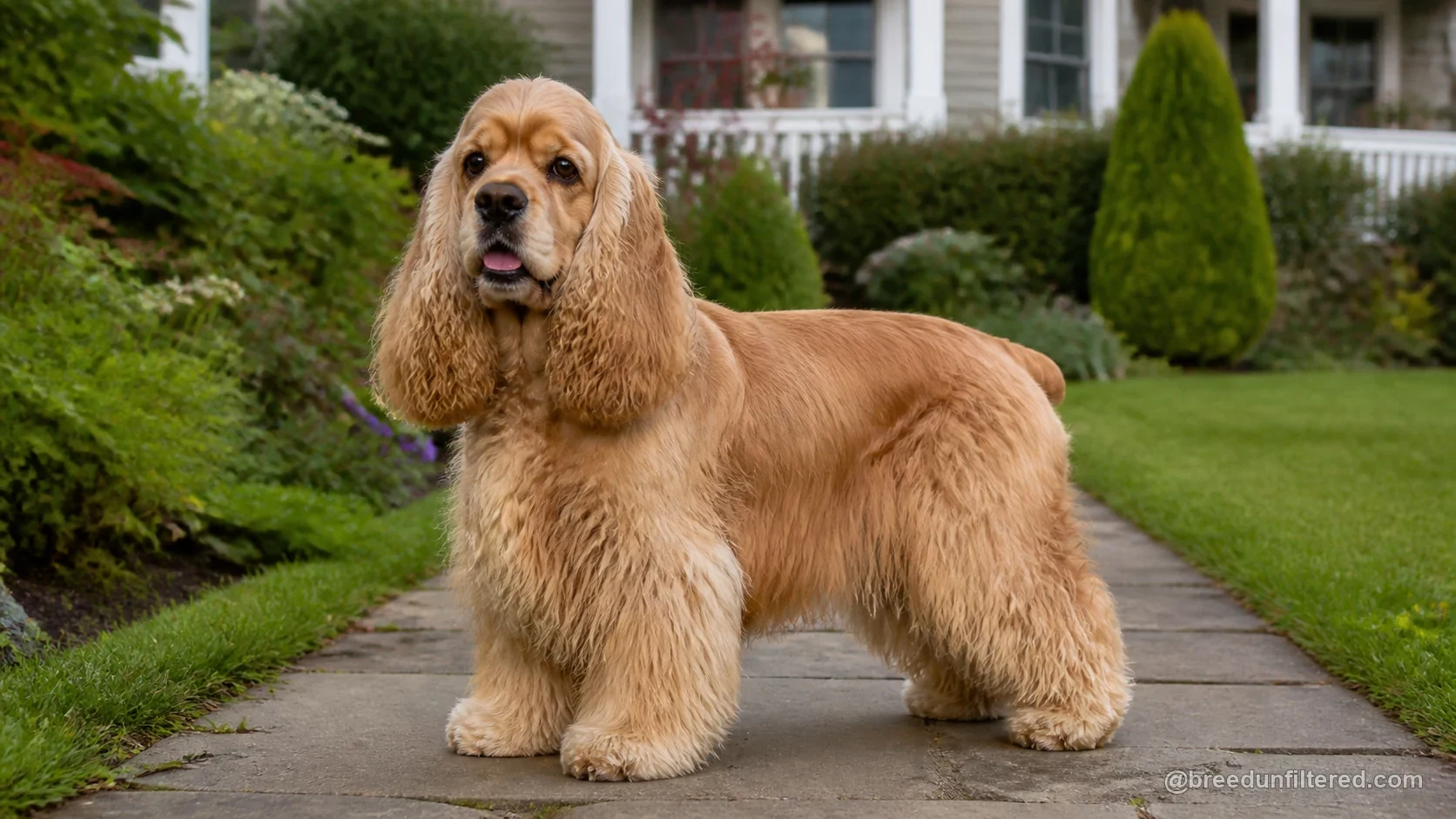
The American Cocker Spaniel, with its luxurious coat and expressive eyes, is a breed that has captured hearts for generations. Originally developed as a hunting companion, this spaniel has evolved into a beloved family pet while retaining its eager-to-please nature. Prospective owners should understand that behind the glamorous appearance lies a dog with specific needs for exercise, mental stimulation, and grooming.
This guide aims to provide a balanced, evidence-conscious overview of the breed, drawing on official standards and recognized sources. We'll explore the breed's origins, temperament, care requirements, and potential challenges, helping you decide if an American Cocker Spaniel is the right fit for your lifestyle. Remember, every dog is an individual, and responsible ownership begins with informed expectations.
Origin and Purpose
The American Cocker Spaniel traces its roots to the English Cocker Spaniel, but it was developed in the United States as a distinct breed. The FCI standard (No. 167) recognizes it as a separate breed, with a history of being used as a flushing and retrieving dog for small game, particularly woodcock, which is how the name 'Cocker' originated. Over time, the breed's role shifted from primarily a working dog to a companion and show dog, leading to differences in size and coat compared to its English counterpart.
The American Kennel Club recognized the breed in 1878, and it has since become one of the most popular breeds in America. The breed's purpose today is largely as a companion, but its hunting instincts can still be seen in its love for outdoor activities and its keen nose. Understanding this heritage helps owners appreciate the breed's energy and need for purposeful activity, even if they never participate in formal hunting.
Temperament and Variation
The American Cocker Spaniel is often described as affectionate, cheerful, and eager to please. The FCI standard notes that the breed is 'merry' and 'balanced,' with a gentle disposition. However, temperament can vary among individuals, and some may be more reserved or sensitive. Early socialization is crucial to help them develop into confident adults. While they are generally friendly, they can be prone to separation anxiety if left alone for long periods, so they thrive in homes where someone is often present.
There are also color variations within the breed, including black, buff, and parti-colors, but these do not significantly affect temperament. Some lines may have been bred more for show, while others retain stronger working instincts, which can influence energy levels and trainability. Prospective owners should meet both parents if possible and discuss temperament with breeders to get a sense of what to expect.
Exercise and Mental Work
American Cocker Spaniels are moderately energetic dogs that require daily exercise to stay healthy and happy. A couple of walks and some playtime in a securely fenced yard are typically sufficient, but they also enjoy activities like fetch, swimming, and scent games. Without adequate exercise, they may become bored and develop undesirable behaviors such as excessive barking or chewing. The key is to provide consistent, moderate activity rather than intense workouts.
Mental stimulation is equally important. This intelligent breed benefits from puzzle toys, obedience training, and interactive games that challenge their minds. Activities like nose work or agility can be excellent outlets for their natural abilities. Engaging their brains helps prevent boredom and strengthens the bond between dog and owner, making them more content and well-adjusted companions.
Training and Socialisation
Training an American Cocker Spaniel is generally rewarding due to their eagerness to please and intelligence. They respond well to positive reinforcement methods, such as treats and praise, and are sensitive to harsh corrections, which can damage their trust. Consistency and patience are key. Basic obedience training should start early, and they can excel in advanced activities like rally or therapy work if given the opportunity.
Socialisation is critical from a young age. Exposing them to various people, animals, and environments helps prevent shyness or fearfulness. While they are typically good with other dogs and pets, early introductions are important. Puppy classes and regular outings can help them become well-rounded adults. Remember that individual experiences shape behavior, so a positive, gradual approach is best.
Family and Other Pets
American Cocker Spaniels are known for their affectionate nature and often form strong bonds with their families. They generally get along well with children, especially when raised with them, and can be gentle and playful. However, as with any breed, supervision is recommended during interactions with very young children to prevent accidental injuries. Their size makes them suitable for families, but they may not tolerate rough handling, so teaching children how to interact respectfully is essential.
With proper socialisation, they can coexist peacefully with other dogs and even cats. Their hunting instinct may be triggered by small animals, but early exposure can mitigate this. They thrive on companionship and do best when included in family activities rather than being left alone in the yard. A cocker that feels part of the family is typically a happy and well-behaved companion.
Grooming and Health
The American Cocker Spaniel's beautiful coat requires significant grooming. Daily brushing is recommended to prevent mats and tangles, and regular professional grooming every 4-6 weeks is often necessary to maintain the coat's condition. Their long, drooping ears are prone to infections, so routine cleaning and drying are essential. Owners should be prepared for a time and financial commitment to grooming, as this is not a low-maintenance breed.
Like many purebred dogs, American Cocker Spaniels are prone to certain health conditions, including ear infections, eye problems such as cataracts, and hip dysplasia. Responsible breeders screen for these issues, but prospective owners should be aware of potential veterinary costs. Regular check-ups, a balanced diet, and proper exercise can help maintain overall health, but no breed is immune to health challenges.
Costs and Responsibility
Owning an American Cocker Spaniel involves significant financial and time commitments. Initial costs include the purchase price from a reputable breeder, which can vary, as well as supplies like a crate, bedding, and grooming tools. Ongoing expenses include high-quality food, routine veterinary care, grooming services, and pet insurance. Emergency medical costs can be substantial, so planning ahead is wise.
Beyond finances, responsible ownership means dedicating time to exercise, training, grooming, and companionship. This breed thrives on human interaction and may not do well if left alone for long hours. Prospective owners should honestly assess their lifestyle and ability to meet these needs. Adopting from a rescue is also a wonderful option, giving a deserving dog a second chance. Ultimately, the rewards of a loyal, loving companion are immense, but they come with a commitment to care for the dog's entire life.
Clear answers
FREQUENTLY ASKED QUESTIONS
Are American Cocker Spaniels good with children?
American Cocker Spaniels are generally good with children, especially when raised together. They are affectionate and playful, but their size means they can be knocked over by very young children. Supervision and teaching children to handle the dog gently are important. Early socialisation helps them become tolerant and patient, making them a suitable family pet for many households.
How much grooming does an American Cocker Spaniel need?
The American Cocker Spaniel requires daily brushing to prevent mats and tangles in its long, silky coat. Professional grooming every 4-6 weeks is often recommended to keep the coat healthy and manageable. Their ears need regular cleaning to avoid infections. This breed is high-maintenance in terms of grooming, so prospective owners should be prepared for the time and cost involved.
Are American Cocker Spaniels easy to train?
American Cocker Spaniels are intelligent and eager to please, which makes them generally responsive to positive reinforcement training. They can be sensitive, so harsh methods are counterproductive. Consistency and patience are key. They excel in obedience and can enjoy activities like agility or therapy work. Early training and socialisation are essential to bring out their best.
Do American Cocker Spaniels have a high prey drive?
As a breed originally used for hunting, American Cocker Spaniels may have a moderate prey drive, but it varies among individuals. With proper socialisation, they can live peacefully with cats and other small pets. However, they might chase small animals outdoors, so a securely fenced yard and leash walks are recommended. Training recall can help manage this instinct.
What are common health issues in American Cocker Spaniels?
American Cocker Spaniels are prone to certain health conditions, including ear infections due to their drooping ears, eye problems like cataracts, and hip dysplasia. Responsible breeders screen for these issues, but they can still occur. Regular veterinary check-ups, a healthy diet, and proper grooming can help mitigate some risks. Prospective owners should be prepared for potential medical expenses.
Sources and further reading
Scores describe typical breed tendencies from 1 to 10. They are not a quality ranking or a prediction for an individual dog.
Size and presence6/10
CompactVery large
Physical strength6/10
LightExceptional
Energy level8/10
LowRelentless
Exercise demand8/10
ModestVery demanding
Mental work needed8/10
ModerateDaily job
Trainability9/10
ChallengingExceptional
Everyday manageability6/10
SpecialistStraightforward
First-time owner fit6/10
Poor fitGood fit
Family-life fit9/10
LimitedExcellent
Dog sociability8/10
SelectiveVery social
Prey drive9/10
LowVery high
Guarding tendency3/10
MinimalSerious
Independence4/10
Handler-focusedSelf-directed
Grooming demand9/10
LightHeavy
Apartment fit5/10
Poor fitGood fit