Complete breed guide
Tosa OWNERSHIP GUIDE
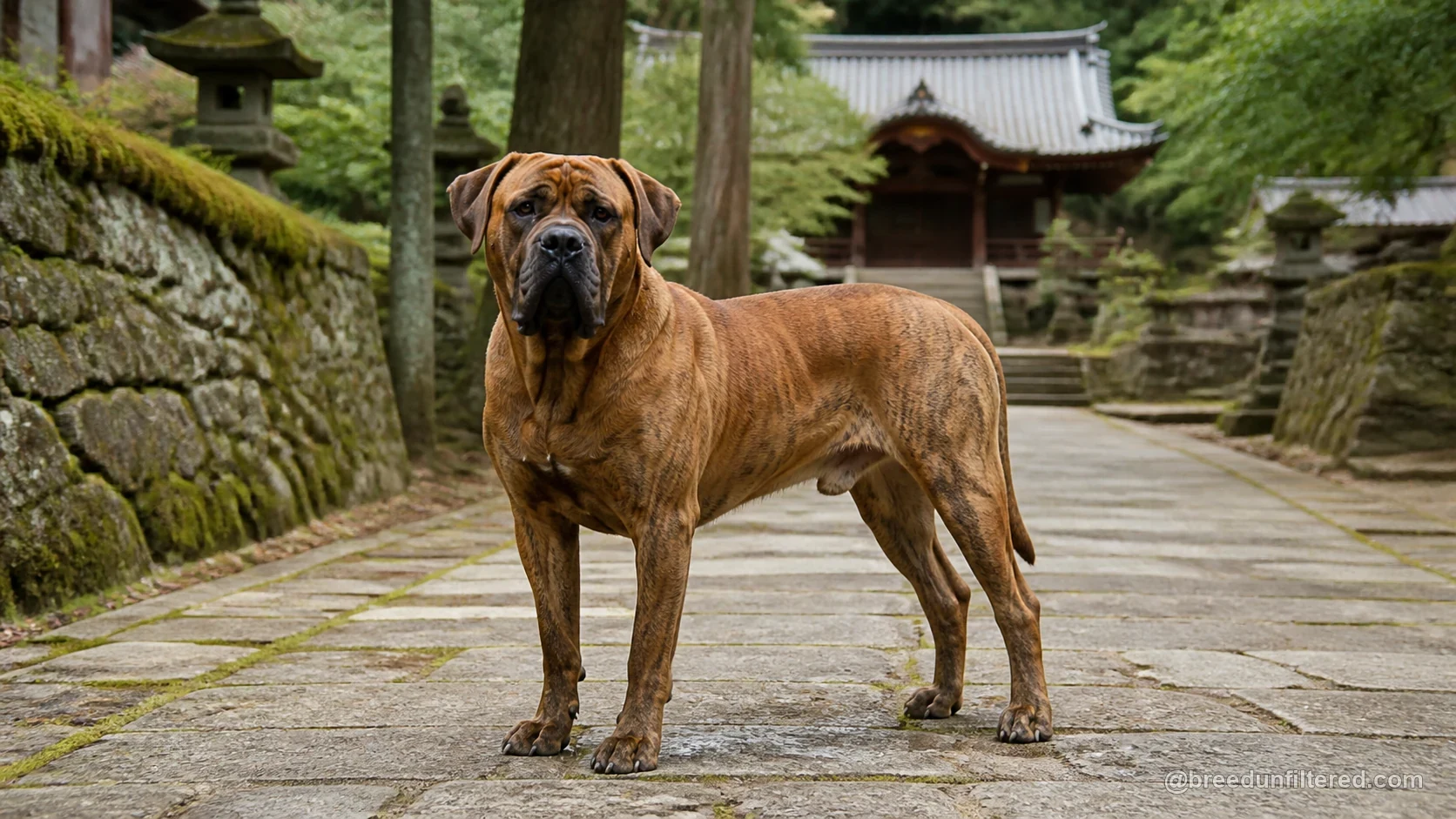
The Tosa, also known as the Tosa Inu or Japanese Mastiff, is a large and powerful dog breed that originated in Japan. Bred in the late 19th century from native Shikoku dogs and Western mastiff-type breeds, the Tosa was developed for dog fighting, a tradition that has shaped its character and reputation. Today, the Tosa is recognized by the Fédération Cynologique Internationale (FCI) and is a rare breed outside its homeland, but it has a devoted following among enthusiasts who appreciate its calm and loyal nature.
Prospective owners should understand that the Tosa is not a dog for everyone. Its size, strength, and guarding instincts require an experienced handler who can provide firm, consistent leadership and proper socialization. In some countries, the Tosa is subject to breed-specific legislation due to its fighting heritage, so it is essential to research local laws before considering this breed. With the right environment and training, the Tosa can be a gentle and devoted companion, but it demands respect and responsible ownership.
Origin and Purpose
The Tosa breed was developed in the late 19th century in the Tosa province (now Kōchi Prefecture) on the island of Shikoku, Japan. Breeders aimed to create a powerful and resilient fighting dog by crossing the native Shikoku Inu with Western mastiff-type breeds such as the English Mastiff, Bulldog, and Great Dane. The result was a large, athletic dog with a calm temperament and high pain tolerance, traits valued in the traditional dog fights that were popular in Japan at the time.
Although dog fighting is now illegal in many parts of the world, the Tosa's historical purpose has left a lasting impact on its temperament and behavior. The breed is known for its stoic and composed demeanor, but it can be aggressive toward other dogs, especially those of the same sex. In Japan, the Tosa is still sometimes used in organized dog fights, which are legal under strict regulations, but elsewhere it is primarily kept as a companion or guardian. Understanding this background is crucial for anyone considering a Tosa, as it explains the breed's inherent traits and challenges.
Temperament and Variation
The Tosa is typically described as calm, patient, and loyal to its family. It is often quiet and reserved, showing a composed demeanor that can be mistaken for aloofness. However, the Tosa is deeply devoted to its owners and can be protective of its home and loved ones. While individual temperaments vary, the breed generally has a high threshold for provocation, a trait that was selectively bred for in the fighting ring.
Despite its calm nature, the Tosa is a powerful guardian with strong territorial instincts. It is naturally wary of strangers and may be aggressive toward other dogs, particularly those of the same sex. Early and ongoing socialization is essential to help a Tosa distinguish between real threats and normal situations. Potential owners should be prepared for a dog that may not be friendly with unfamiliar people or animals, and they must be willing to manage these tendencies responsibly.
Exercise and Mental Work
The Tosa is a large, athletic breed that requires regular exercise to maintain its physical and mental well-being. Daily walks and opportunities to run in a securely fenced area are important, but the Tosa is not a hyperactive dog. It tends to be calm indoors and may be content with moderate activity, but it still needs outlets for its energy to prevent boredom and destructive behavior.
Mental stimulation is equally important for this intelligent breed. Puzzle toys, obedience training, and activities that engage its natural instincts, such as scent work or tracking, can help keep a Tosa mentally sharp. Without adequate mental and physical exercise, a Tosa may become restless or develop behavioral issues. However, it is essential to avoid over-exercising a growing puppy to protect its developing joints, and any exercise regimen should be tailored to the individual dog's age and health.
Training and Socialisation
Training a Tosa requires patience, consistency, and a firm but fair approach. This breed is intelligent and can be independent, so it responds best to positive reinforcement methods that build trust and respect. Harsh training techniques are counterproductive and can damage the bond between dog and owner. Early obedience training is essential to establish leadership and ensure the dog understands basic commands.
Socialisation is critical for a Tosa, especially during puppyhood. Exposing the dog to a variety of people, places, and situations in a controlled manner can help reduce fearfulness and aggression. However, even with extensive socialisation, a Tosa may never be fully reliable with other dogs, particularly unfamiliar ones. Owners must be prepared to manage the dog's interactions and avoid situations that could trigger aggressive behavior. Professional guidance from an experienced trainer may be beneficial for first-time Tosa owners.
Family and Other Pets
The Tosa can be a loyal and affectionate companion for its family, including children, when raised with them. It is generally patient and tolerant, but its large size and strength mean that interactions with young children should always be supervised. The Tosa may not be suitable for families with very small children due to the risk of accidental knocking over, and it is essential to teach children how to behave around dogs.
When it comes to other pets, the Tosa's history as a fighting dog makes it potentially aggressive toward other dogs, especially those of the same sex. It may also have a high prey drive and could chase or harm smaller animals such as cats or rabbits. Early socialisation with other pets can help, but there is no guarantee of compatibility. A Tosa is often best suited to a home where it is the only pet, or where introductions are managed carefully and with professional advice.
Grooming and Health
The Tosa has a short, dense coat that is relatively low-maintenance. Weekly brushing with a rubber curry brush or hound glove can help remove loose hair and keep the coat healthy. The breed sheds moderately, and more frequent brushing may be needed during seasonal shedding periods. Regular nail trimming, ear cleaning, and dental care are also important parts of a grooming routine.
As a large breed, the Tosa is prone to certain health issues, including hip dysplasia, elbow dysplasia, and bloat (gastric dilatation-volvulus). Responsible breeders screen their dogs for these conditions, but prospective owners should be aware of the potential health risks. The Tosa has a relatively short lifespan, typically around 10 to 12 years, and may also be susceptible to heart conditions and certain cancers. Regular veterinary check-ups and a balanced diet are essential to maintain the dog's health.
Costs and Responsibility
Owning a Tosa is a significant financial and time commitment. The initial cost of a puppy from a reputable breeder can be high, and ongoing expenses include food, veterinary care, grooming supplies, and training classes. As a large breed, the Tosa requires a substantial amount of high-quality food, which can be costly. Additionally, potential owners should budget for possible health issues that may arise.
Beyond financial costs, owning a Tosa carries a great deal of responsibility. This breed is powerful and can be dangerous if not properly trained and socialized. In some jurisdictions, Tosas are subject to breed-specific legislation, which may require special permits, insurance, or even prohibit ownership. Prospective owners must research local laws and ensure they can provide a secure environment, including a well-fenced yard and a commitment to responsible management. The Tosa is not a suitable choice for novice dog owners or those who cannot dedicate the time and effort required.
Clear answers
FREQUENTLY ASKED QUESTIONS
Is the Tosa a good family dog?
The Tosa can be a loyal and affectionate family companion when raised with children and properly socialized. However, its large size and strength require supervision around young children, and its potential aggression toward other dogs and strangers means it may not be suitable for every family. Experienced owners who can provide firm leadership and a controlled environment are best suited for this breed.
How much exercise does a Tosa need?
The Tosa needs moderate daily exercise, such as a long walk or a chance to run in a securely fenced area. It is not a hyperactive breed and is often calm indoors, but it still requires physical activity to stay healthy and prevent boredom. Mental stimulation through training and puzzle toys is also important. Exercise should be adjusted to the dog's age and health, especially for growing puppies.
Are Tosas aggressive?
The Tosa has a history as a fighting dog, and it can be aggressive toward other dogs, particularly those of the same sex. It is also naturally wary of strangers and may exhibit guarding behavior. However, with early and consistent socialization and training, many Tosas can learn to be calm and well-mannered. Aggression is not inevitable, but it is a risk that owners must manage responsibly.
What health issues are common in Tosas?
Like many large breeds, Tosas are prone to hip and elbow dysplasia, as well as bloat, a life-threatening condition that requires immediate veterinary attention. They may also be susceptible to heart conditions and certain cancers. Responsible breeders screen for these issues, but prospective owners should be prepared for potential health problems and ensure they have access to good veterinary care.
Is the Tosa legal to own?
The legality of owning a Tosa varies by country and even by region. Some jurisdictions have breed-specific legislation that restricts or bans ownership of Tosas due to their fighting heritage. It is essential to research local laws and regulations before acquiring a Tosa. In some places, owners may need to obtain special permits, have insurance, or follow specific containment requirements.
Sources and further reading
Scores describe typical breed tendencies from 1 to 10. They are not a quality ranking or a prediction for an individual dog.
Size and presence10/10
CompactVery large
Physical strength10/10
LightExceptional
Energy level6/10
LowRelentless
Exercise demand6/10
ModestVery demanding
Mental work needed7/10
ModerateDaily job
Trainability6/10
ChallengingExceptional
Everyday manageability3/10
SpecialistStraightforward
First-time owner fit3/10
Poor fitGood fit
Family-life fit6/10
LimitedExcellent
Dog sociability4/10
SelectiveVery social
Prey drive8/10
LowVery high
Guarding tendency8/10
MinimalSerious
Independence7/10
Handler-focusedSelf-directed
Grooming demand5/10
LightHeavy
Apartment fit2/10
Poor fitGood fit