Complete breed guide
Spanish Hound OWNERSHIP GUIDE
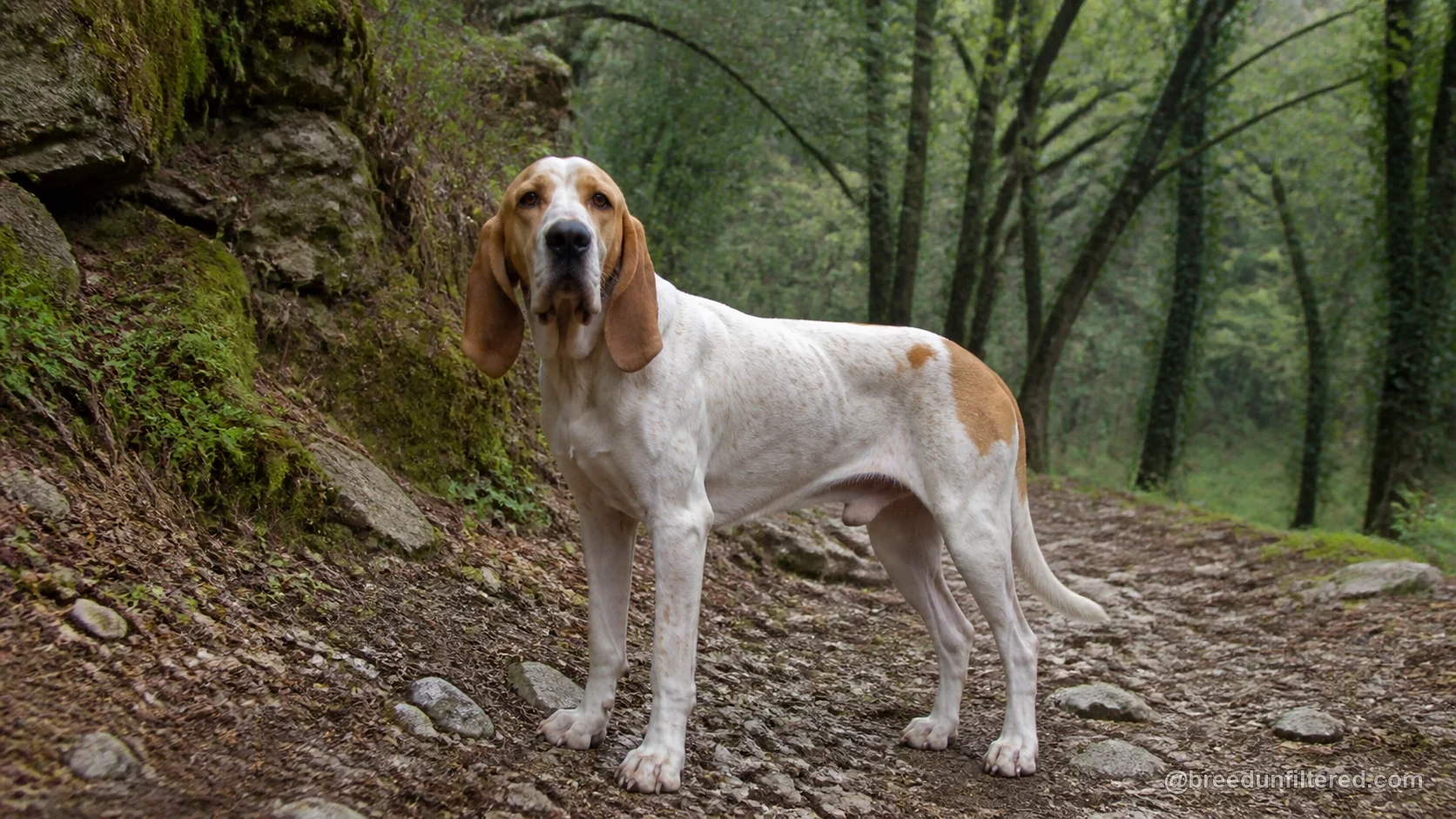
The Spanish Hound, known officially as the Sabueso Español, is a scenthound breed developed in Spain for trailing game such as hare and wild boar. With a long history rooted in the Iberian Peninsula, this breed is prized for its exceptional nose, stamina, and determination in the field. While not as widely known as some other hounds, the Spanish Hound offers a unique combination of working ability and a devoted, if sometimes reserved, nature.
Prospective owners should understand that this is a dog bred for work, not primarily for companionship. They are intelligent, independent thinkers, and their strong hunting instincts can present challenges in a home environment. This article provides a balanced overview of the Spanish Hound's characteristics, care requirements, and the realities of living with a dedicated scent hound, helping you decide if this breed is the right fit for your lifestyle.
Origin and Purpose
The Spanish Hound is an ancient breed, with references dating back to the Middle Ages in Spain. It was developed to hunt a variety of game, from small mammals to large wild boar, often working in packs. The breed's name, Sabueso Español, reflects its Spanish heritage, and it is recognized by the Fédération Cynologique Internationale (FCI) in Group 6, which includes scenthounds and related breeds.
Historically, the Spanish Hound was valued for its ability to track scent over long distances and rough terrain, using its voice to signal hunters. Today, it remains primarily a working dog, though some are kept as companions. Understanding this heritage is crucial: the breed's instincts are deeply ingrained, and without an appropriate outlet for its hunting drive, it may become frustrated or develop behavioral issues.
Temperament and Variation
Spanish Hounds are generally described as loyal, even-tempered, and devoted to their family. They can be affectionate with those they know, but they often display a reserved or aloof demeanor with strangers. As a scenthound, they are independent and can be stubborn, making them less eager to please than some other breeds. Their temperament can vary between individuals, and early socialization plays a key role in shaping their behavior.
There are two recognized varieties of the Spanish Hound: the larger and the smaller. Both share similar characteristics, but the smaller variety may be slightly more adaptable to different living situations. However, both are primarily hunting dogs, and their temperament is influenced by their working lineage. Prospective owners should be prepared for a dog that is driven, vocal, and not overly demonstrative.
Exercise and Mental Work
The Spanish Hound is a high-energy breed that requires substantial daily exercise to stay physically and mentally healthy. They are not content with a short walk around the block; they need opportunities to run, explore, and use their nose. Activities such as long hikes, trail running, or scent work can help meet their needs. Without adequate exercise, they may become restless and develop destructive behaviors.
Mental stimulation is equally important. Scent games, puzzle toys, and training sessions that engage their problem-solving abilities can help satisfy their intellectual curiosity. Because they are bred to work independently, they may not always look to their owner for guidance, so providing structured activities that channel their instincts is essential. Owners should be prepared to invest time and effort in keeping their Spanish Hound engaged.
Training and Socialisation
Training a Spanish Hound requires patience, consistency, and a positive approach. They respond best to reward-based methods that use treats, praise, or play, as harsh corrections can damage trust. However, their independent nature means they may not be as quick to obey as some other breeds. Early and ongoing socialization is vital to help them become well-adjusted adults, especially around other dogs and unfamiliar people.
Because they are scent hounds, their nose often takes priority over commands. Reliable recall can be particularly challenging, so a secure, fenced area is essential for off-leash exercise. Owners should also be aware that the breed's vocal nature—baying and howling—can be a consideration in training and in residential settings. Professional training classes can be beneficial, especially for first-time hound owners.
Family and Other Pets
Spanish Hounds can make loyal family dogs, but they are not typically recommended for households with very young children. Their size and boisterousness could inadvertently knock over a toddler, and their independent nature may not tolerate rough handling. With older children who understand how to interact respectfully, they can be gentle and affectionate companions.
Regarding other pets, the Spanish Hound's prey drive is strong. They may see small animals—such as cats, rabbits, or rodents—as quarry, and their chasing instinct can be difficult to override. They generally get along with other dogs, especially if raised together, but introductions should be managed carefully. Families with small pets should exercise caution and consider the breed's hunting background.
Grooming and Health
The Spanish Hound has a short, dense coat that is relatively low-maintenance. Weekly brushing helps remove loose hair and keep the coat healthy. They shed moderately, and more during seasonal changes. Their long, floppy ears require regular inspection and cleaning to prevent infections, as they can trap moisture and debris. Routine nail trimming and dental care are also important.
As a breed, the Spanish Hound is generally robust, but like all dogs, they can be prone to certain health conditions. Hip dysplasia, ear infections, and bloat are among the concerns that have been reported. Prospective owners should seek health clearances from breeders and be prepared for potential veterinary costs. A balanced diet and regular exercise contribute to overall well-being, but no breed is immune to health issues.
Costs and Responsibility
Owning a Spanish Hound involves significant financial and time commitments. Initial costs include the purchase price, which can vary depending on the breeder and the dog's lineage, as well as supplies such as a crate, bedding, and food. Ongoing expenses include high-quality dog food, routine veterinary care, vaccinations, and preventive medications. Emergency medical care can be costly, so pet insurance is worth considering.
Beyond finances, responsible ownership means providing adequate exercise, mental stimulation, and training. This breed is not suited to a sedentary lifestyle or an owner who is away from home for long periods. They thrive in environments where they have space to roam and a job to do. Prospective owners should honestly assess their ability to meet these needs before bringing a Spanish Hound into their lives.
Clear answers
FREQUENTLY ASKED QUESTIONS
Is the Spanish Hound a good family dog?
The Spanish Hound can be a loyal and affectionate family companion, but it may not be ideal for families with very young children due to its size and boisterous nature. With older children who respect boundaries, they can form strong bonds. However, their strong prey drive and independent temperament require careful management, especially around small pets.
How much exercise does a Spanish Hound need?
The Spanish Hound is a high-energy breed that needs substantial daily exercise, typically more than an hour of vigorous activity. They enjoy long walks, runs, and opportunities to use their nose. Without sufficient exercise, they may become restless and develop behavioral issues. Mental stimulation through scent games is also important to keep them content.
Are Spanish Hounds easy to train?
Training a Spanish Hound can be challenging due to their independent and stubborn nature. They respond best to positive reinforcement methods, but their strong hunting instincts can override commands, especially when they catch an interesting scent. Consistent, patient training and early socialization are essential for a well-behaved dog.
Do Spanish Hounds get along with other dogs?
Spanish Hounds generally get along well with other dogs, especially if they are raised together. They are pack-oriented by nature, but introductions should be managed carefully. Their prey drive may cause issues with small animals, but with proper socialization, they can coexist peacefully with other canines.
What health issues are common in Spanish Hounds?
Spanish Hounds are generally healthy, but they can be prone to certain conditions such as hip dysplasia, ear infections, and bloat. Regular veterinary check-ups, a balanced diet, and proper ear care can help mitigate some risks. Prospective owners should ask breeders about health clearances for the parents.
Sources and further reading
Scores describe typical breed tendencies from 1 to 10. They are not a quality ranking or a prediction for an individual dog.
Size and presence5/10
CompactVery large
Physical strength6/10
LightExceptional
Energy level9/10
LowRelentless
Exercise demand10/10
ModestVery demanding
Mental work needed8/10
ModerateDaily job
Trainability6/10
ChallengingExceptional
Everyday manageability2/10
SpecialistStraightforward
First-time owner fit3/10
Poor fitGood fit
Family-life fit6/10
LimitedExcellent
Dog sociability8/10
SelectiveVery social
Prey drive10/10
LowVery high
Guarding tendency3/10
MinimalSerious
Independence8/10
Handler-focusedSelf-directed
Grooming demand4/10
LightHeavy
Apartment fit4/10
Poor fitGood fit