Complete breed guide
Saint Germain Pointer OWNERSHIP GUIDE
The Saint Germain Pointer, also known as the Braque Saint-Germain, is a French pointing dog that originated in the 19th century. Developed by crossing English Pointers with local French hunting dogs, this breed was refined in the region of Saint-Germain-en-Laye, near Paris. Today, it remains a rare but cherished companion for hunters and families alike, prized for its balanced temperament and keen nose.
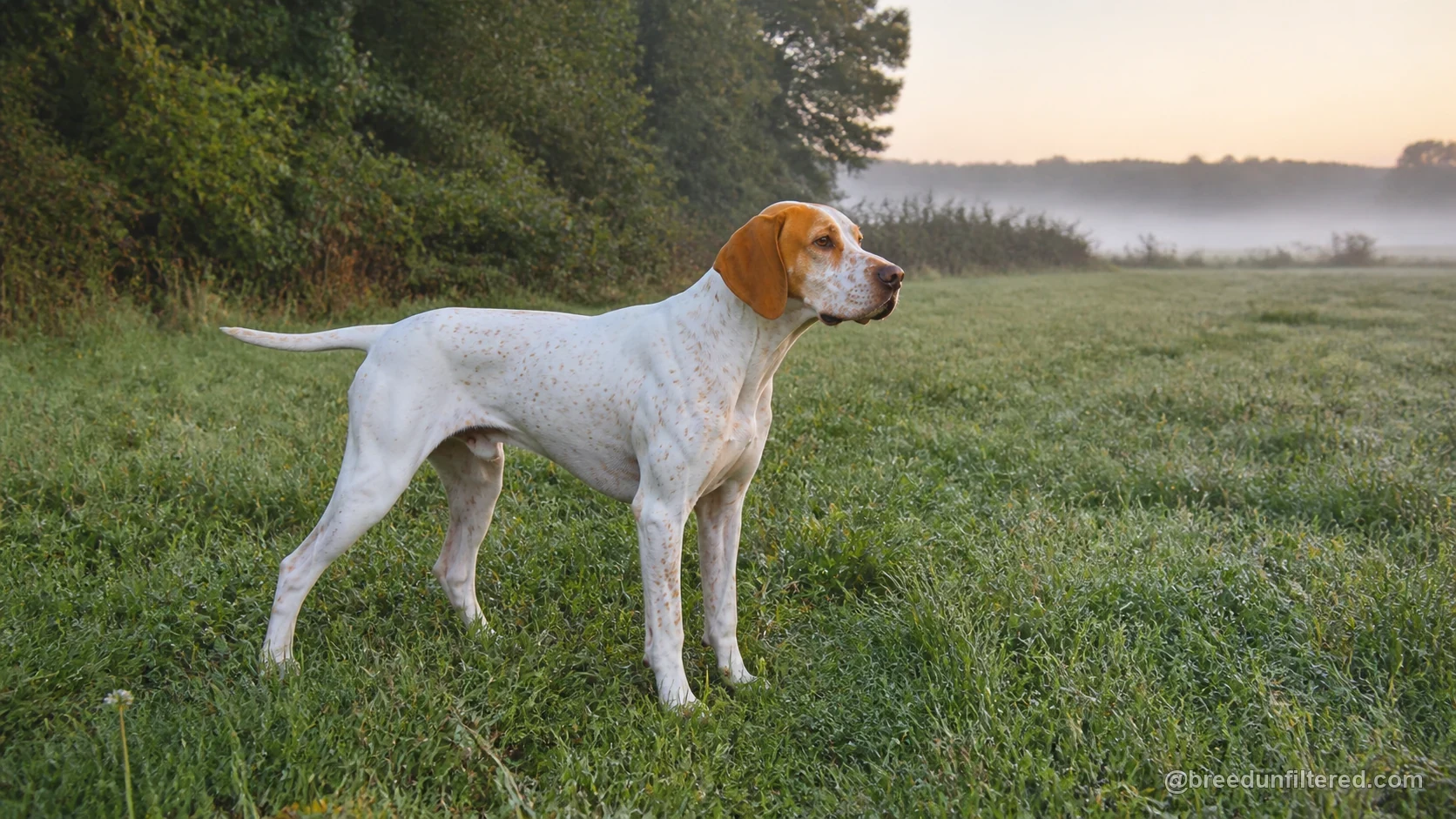
This medium-sized gundog is known for its elegant appearance, with a distinctive brown and white coat and a gentle expression. While primarily a hunting breed, the Saint Germain Pointer has a calm and affectionate nature that can make it a wonderful family pet, provided its exercise and mental stimulation needs are met. This article explores the breed's origins, temperament, care requirements, and more to help prospective owners decide if this is the right dog for them.
Origin and Purpose
The Saint Germain Pointer was developed in France during the 19th century, with the first recognized litter born in 1830. The breed was created by crossing English Pointers with local French hunting dogs, possibly including the Braque Français. The goal was to produce a dog with the pointing ability of the English Pointer and the hardiness of the French breeds, suited for hunting in the dense forests and plains of France.
The breed's name comes from the town of Saint-Germain-en-Laye, where the kennels of the French nobility were located. The Saint Germain Pointer was officially recognized by the Fédération Cynologique Internationale (FCI) in 1955 and is classified in Group 7, Pointing Dogs. Today, it remains a rare breed, with most individuals found in France, but it is gaining interest among hunters and dog enthusiasts worldwide.
Temperament and Variation
The Saint Germain Pointer is known for its gentle and even-tempered disposition. It is typically calm at home, yet alert and energetic in the field. This breed tends to form strong bonds with its family and is often described as affectionate and loyal. While individual temperaments can vary, the breed standard emphasizes a balanced and sociable nature, making it a pleasant companion for those who can provide adequate exercise.
As with any breed, early socialization and training play a significant role in shaping a dog's temperament. Saint Germain Pointers are generally good with children and other dogs, but they may have a strong prey drive due to their hunting background. Prospective owners should be prepared to manage this instinct through training and supervision, especially around small animals.
Exercise and Mental Work
The Saint Germain Pointer is an energetic breed that requires regular exercise to stay healthy and happy. Daily walks, runs, or play sessions in a securely fenced area are essential. As a pointing dog, it thrives when given opportunities to use its nose and engage in activities like scent work or field trials. Without sufficient physical and mental stimulation, it may become restless or develop behavioral issues.
Mental enrichment is just as important as physical exercise. Puzzle toys, obedience training, and interactive games can help keep this intelligent breed engaged. For those interested in hunting, the Saint Germain Pointer excels in pointing and retrieving, and participating in hunting or field events can provide excellent outlets for its natural abilities.
Training and Socialisation
Saint Germain Pointers are intelligent and generally eager to please, which makes them trainable for owners who use positive reinforcement techniques. Harsh training methods are not recommended, as this breed can be sensitive. Consistent, patient, and reward-based training will yield the best results. Early socialization is crucial to ensure the dog grows into a well-adjusted adult, comfortable with various people, animals, and environments.
Because of their hunting heritage, Saint Germain Pointers may have a tendency to follow their noses and roam if not properly trained. A reliable recall is essential, and training should include off-leash work in safe areas. Enrolling in puppy classes or working with a professional trainer can be beneficial, especially for first-time dog owners.
Family and Pets
The Saint Germain Pointer can make a wonderful family dog for active households. It is typically gentle and patient with children, though supervision is always recommended, especially with younger kids. This breed thrives on human companionship and does not do well when left alone for long periods. It is best suited for families where someone is home most of the day or can provide ample attention.
When it comes to other pets, the Saint Germain Pointer generally gets along with other dogs, especially if raised together. However, its prey drive may be triggered by small animals such as cats, rabbits, or birds. Early socialization can help mitigate this, but it is important to manage interactions and never leave the dog unsupervised with small pets unless you are confident in its behavior.
Grooming and Health
The Saint Germain Pointer has a short, dense coat that is relatively low-maintenance. Weekly brushing with a soft bristle brush or hound glove will help remove loose hair and keep the coat shiny. They shed moderately, and more frequent brushing may be needed during seasonal changes. Bathing should be done only when necessary to avoid stripping natural oils from the skin.
As with many purebred dogs, the Saint Germain Pointer may be prone to certain health conditions, including hip dysplasia and ear infections. Regular veterinary check-ups, a balanced diet, and proper exercise can help maintain overall health. Prospective owners should ask breeders about health clearances for the parents and be prepared for potential veterinary costs.
Costs and Responsibility
Owning a Saint Germain Pointer involves significant financial and time commitments. The initial cost of a puppy from a reputable breeder can be high, and ongoing expenses include food, veterinary care, grooming supplies, and training classes. Additionally, this breed requires a substantial amount of exercise and mental stimulation, which demands time and energy from its owner.
Before acquiring a Saint Germain Pointer, it is essential to research the breed thoroughly and consider whether your lifestyle can accommodate its needs. This breed is not suitable for a sedentary lifestyle or for owners who are away from home frequently. Responsible ownership also includes providing proper training, socialization, and a safe environment. Adopting from a rescue or breed-specific organization is another option to consider.
Clear answers
FREQUENTLY ASKED QUESTIONS
Is the Saint Germain Pointer a good family dog?
The Saint Germain Pointer can be a good family dog for active households. It is typically gentle and patient with children, but it requires plenty of exercise and mental stimulation. Early socialization and training are important to ensure it interacts well with kids and other pets. It thrives on human companionship and may not do well if left alone for long periods.
How much exercise does a Saint Germain Pointer need?
The Saint Germain Pointer is an energetic breed that needs at least an hour of vigorous exercise daily, such as running, hiking, or playing fetch. As a pointing dog, it also benefits from activities that engage its nose, like scent work or field training. Without adequate exercise, it may become restless or develop behavioral issues.
Are Saint Germain Pointers easy to train?
Saint Germain Pointers are intelligent and generally eager to please, making them trainable with positive reinforcement methods. They can be sensitive, so harsh training is not recommended. Consistency and patience are key. Early socialization and obedience training are essential to develop a well-behaved adult dog.
Do Saint Germain Pointers get along with other dogs?
Saint Germain Pointers typically get along well with other dogs, especially if they are socialized from a young age. They are pack-oriented and enjoy the company of other canines. However, their prey drive may be strong, so caution is needed with small animals like cats or rabbits. Supervised introductions are recommended.
What is the lifespan of a Saint Germain Pointer?
The Saint Germain Pointer has a typical lifespan of 12 to 14 years, which is average for a dog of its size. To promote longevity, owners should provide a balanced diet, regular exercise, routine veterinary care, and a safe living environment. Genetic health testing of parents can help reduce the risk of inherited conditions.
Sources and further reading
Scores describe typical breed tendencies from 1 to 10. They are not a quality ranking or a prediction for an individual dog.
Size and presence6/10
CompactVery large
Physical strength5/10
LightExceptional
Energy level9/10
LowRelentless
Exercise demand10/10
ModestVery demanding
Mental work needed8/10
ModerateDaily job
Trainability9/10
ChallengingExceptional
Everyday manageability4/10
SpecialistStraightforward
First-time owner fit5/10
Poor fitGood fit
Family-life fit8/10
LimitedExcellent
Dog sociability8/10
SelectiveVery social
Prey drive10/10
LowVery high
Guarding tendency3/10
MinimalSerious
Independence4/10
Handler-focusedSelf-directed
Grooming demand4/10
LightHeavy
Apartment fit5/10
Poor fitGood fit