Complete breed guide
Polish Hound OWNERSHIP GUIDE
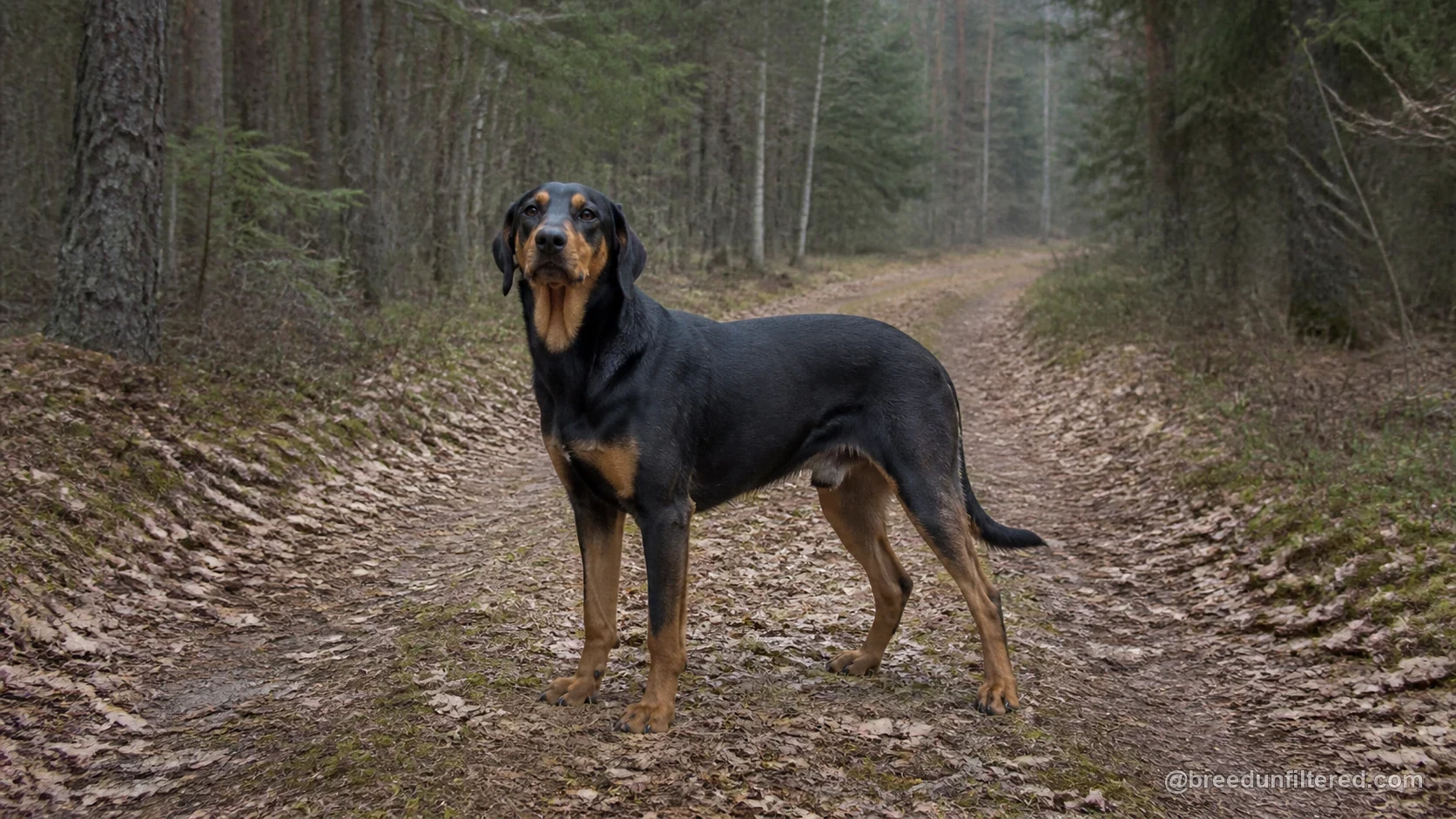
The Polish Hound, known in its homeland as Ogar Polski, is a traditional scenthound developed for hunting in the dense forests and varied terrain of Poland. Recognized definitively by the Fédération Cynologique Internationale (FCI) in Group 6, this breed is prized for its exceptional tracking ability, endurance, and a distinctive, resonant voice that carries over long distances. While still relatively rare outside its native country, the Polish Hound is gaining interest among hunters and active families who appreciate its working heritage and loyal nature.
As a breed that has historically worked in packs, the Polish Hound is known for its sociable disposition with both people and other dogs. However, its strong hunting instincts and independent thinking mean it is not a dog for everyone. Prospective owners should be prepared for a high-energy companion that requires ample physical activity, mental stimulation, and consistent, patient training. This article provides an in-depth look at the Polish Hound's origins, temperament, care requirements, and the realities of living with this dedicated hunter.
Origin and Purpose
The Polish Hound's ancestry traces back to medieval Poland, where it was developed by crossing local hounds with bloodhounds and other European scent hounds. The breed was refined to work in the challenging conditions of Polish forests, tracking game such as deer, boar, and hare. Its primary role was to follow a scent trail with persistence and accuracy, often working in packs, while keeping the hunter informed through its characteristic baying voice.
The FCI recognized the Polish Hound definitively under standard number 52, placing it in Group 6 (Scent Hounds and Related Breeds). This recognition helped preserve the breed's working qualities and standardize its appearance. Despite its long history, the Polish Hound remains relatively uncommon outside Poland, but dedicated breeders and hunting enthusiasts continue to maintain its traditional skills and genetic diversity.
Temperament and Variation
Polish Hounds are typically described as even-tempered, loyal, and good-natured. They form strong bonds with their family and are generally tolerant of children, especially when raised with them. However, they retain a strong prey drive and a determined, independent streak, which can manifest as stubbornness if not properly channeled. Individual temperament varies, and early socialization plays a crucial role in shaping a well-adjusted adult.
While the breed standard describes a consistent type, there can be variation in energy levels and sociability among individuals. Some Polish Hounds may be more reserved with strangers, while others are openly friendly. Their hunting heritage means they are often vocal, using their voice to communicate during work and sometimes at home. Prospective owners should be prepared for a dog that may bark or bay, especially when excited or following a scent.
Exercise and Mental Work
As a working scenthound, the Polish Hound requires substantial daily exercise to stay physically and mentally satisfied. Long walks, jogs, or hikes in safe, enclosed areas are essential, as is the opportunity to use its nose. Activities like scent work, tracking, or nose games can provide excellent mental stimulation and help prevent boredom-related behaviors. Without adequate exercise, this breed may become restless or develop destructive habits.
Mental work is just as important as physical activity. Puzzle toys, obedience training sessions, and interactive games that challenge the dog's problem-solving abilities can help fulfill its need for mental engagement. Because Polish Hounds were bred to work independently, they benefit from activities that allow them to make decisions, such as tracking or search-and-rescue simulations. Owners should be prepared to dedicate time each day to both physical and mental enrichment.
Training and Socialisation
Training a Polish Hound requires patience, consistency, and positive reinforcement methods. This breed is intelligent but can be independent and somewhat stubborn, so harsh training techniques are counterproductive. Early obedience training is essential to establish a strong foundation and to manage their natural instincts. Using treats, praise, and play as rewards can motivate them to learn and cooperate.
Socialisation from a young age is critical to help Polish Hounds become well-mannered adults. Exposing them to a variety of people, animals, environments, and situations can reduce the likelihood of fearfulness or aggression. While they are generally sociable with other dogs, their prey drive may make them unsafe around small pets unless carefully introduced and supervised. Structured socialization classes and controlled introductions can help build a confident, adaptable dog.
Family and Pets
Polish Hounds can make devoted family companions, especially in active households that can meet their exercise needs. They are often gentle and patient with children, though their size and exuberance may be overwhelming for very young kids. As with any breed, interactions should be supervised, and children should be taught how to respectfully interact with dogs. The breed's pack-oriented nature means they generally enjoy being part of family activities.
When it comes to other pets, the Polish Hound's hunting instincts can pose challenges. They may view smaller animals, such as cats or rabbits, as prey, especially if not raised with them. With proper socialization and management, some individuals can coexist peacefully with other dogs, but caution is advised. Prospective owners with existing pets should carefully consider the breed's prey drive and seek guidance from experienced breeders or trainers.
Grooming and Health
The Polish Hound has a short, dense coat that is relatively low-maintenance. Weekly brushing helps remove loose hair and keep the coat healthy, with more frequent brushing during seasonal shedding periods. They are average shedders, and regular ear checks are important as their floppy ears can trap moisture and debris, potentially leading to infections. Routine nail trimming, dental care, and bathing as needed complete a basic grooming regimen.
As a generally robust breed, the Polish Hound is not known for a high incidence of specific health problems, but like all dogs, they can be prone to certain conditions. Hip dysplasia, ear infections, and bloat are among the concerns that may affect the breed. Responsible breeders screen their breeding stock for hereditary issues. Prospective owners should ask about health clearances and maintain regular veterinary check-ups to support their dog's well-being.
Costs and Responsibility
Owning a Polish Hound involves significant financial and time commitments. Initial costs include purchasing from a reputable breeder, which can be substantial, as well as supplies like a crate, bedding, and food. Ongoing expenses include high-quality nutrition, routine veterinary care, vaccinations, parasite prevention, and potential emergency treatments. Pet insurance is worth considering to help manage unexpected costs.
Beyond finances, responsible ownership means providing ample exercise, mental stimulation, and training throughout the dog's life. Polish Hounds are not suited to a sedentary lifestyle or long periods alone. They thrive in homes with secure, fenced yards where they can safely explore. Prospective owners should honestly assess their ability to meet the breed's needs and be prepared for a long-term commitment of 10 to 12 years or more.
Clear answers
FREQUENTLY ASKED QUESTIONS
Are Polish Hounds good with children?
Polish Hounds can be good with children, especially when raised with them and properly socialized. They are generally gentle and patient, but their size and energy may be too much for very young kids. Supervision and teaching children how to interact respectfully with dogs are essential to ensure positive experiences for both.
How much exercise does a Polish Hound need?
Polish Hounds are high-energy working dogs that require substantial daily exercise. This includes long walks, runs, or hikes, as well as opportunities to use their nose through scent work or tracking. Without adequate physical and mental activity, they may become bored and develop undesirable behaviors.
Are Polish Hounds easy to train?
Polish Hounds are intelligent but can be independent and stubborn, making training a challenge for novice owners. They respond best to positive reinforcement methods, consistency, and patience. Early socialization and obedience training are crucial to manage their strong instincts and ensure they become well-mannered companions.
Do Polish Hounds get along with other dogs?
Polish Hounds are generally sociable with other dogs, thanks to their pack-oriented hunting background. However, their prey drive may make them unsafe around smaller pets like cats or rabbits. Proper socialization from a young age and careful introductions can help them coexist peacefully with other animals.
What are the grooming requirements for a Polish Hound?
Polish Hounds have a short, dense coat that requires minimal grooming. Weekly brushing helps manage shedding, and more frequent brushing during seasonal changes is beneficial. Regular ear cleaning is important due to their floppy ears, along with routine nail trimming and dental care to maintain overall health.
Sources and further reading
Scores describe typical breed tendencies from 1 to 10. They are not a quality ranking or a prediction for an individual dog.
Size and presence5/10
CompactVery large
Physical strength6/10
LightExceptional
Energy level9/10
LowRelentless
Exercise demand10/10
ModestVery demanding
Mental work needed8/10
ModerateDaily job
Trainability5/10
ChallengingExceptional
Everyday manageability2/10
SpecialistStraightforward
First-time owner fit3/10
Poor fitGood fit
Family-life fit6/10
LimitedExcellent
Dog sociability9/10
SelectiveVery social
Prey drive10/10
LowVery high
Guarding tendency3/10
MinimalSerious
Independence8/10
Handler-focusedSelf-directed
Grooming demand2/10
LightHeavy
Apartment fit4/10
Poor fitGood fit