Complete breed guide
Irish Terrier OWNERSHIP GUIDE
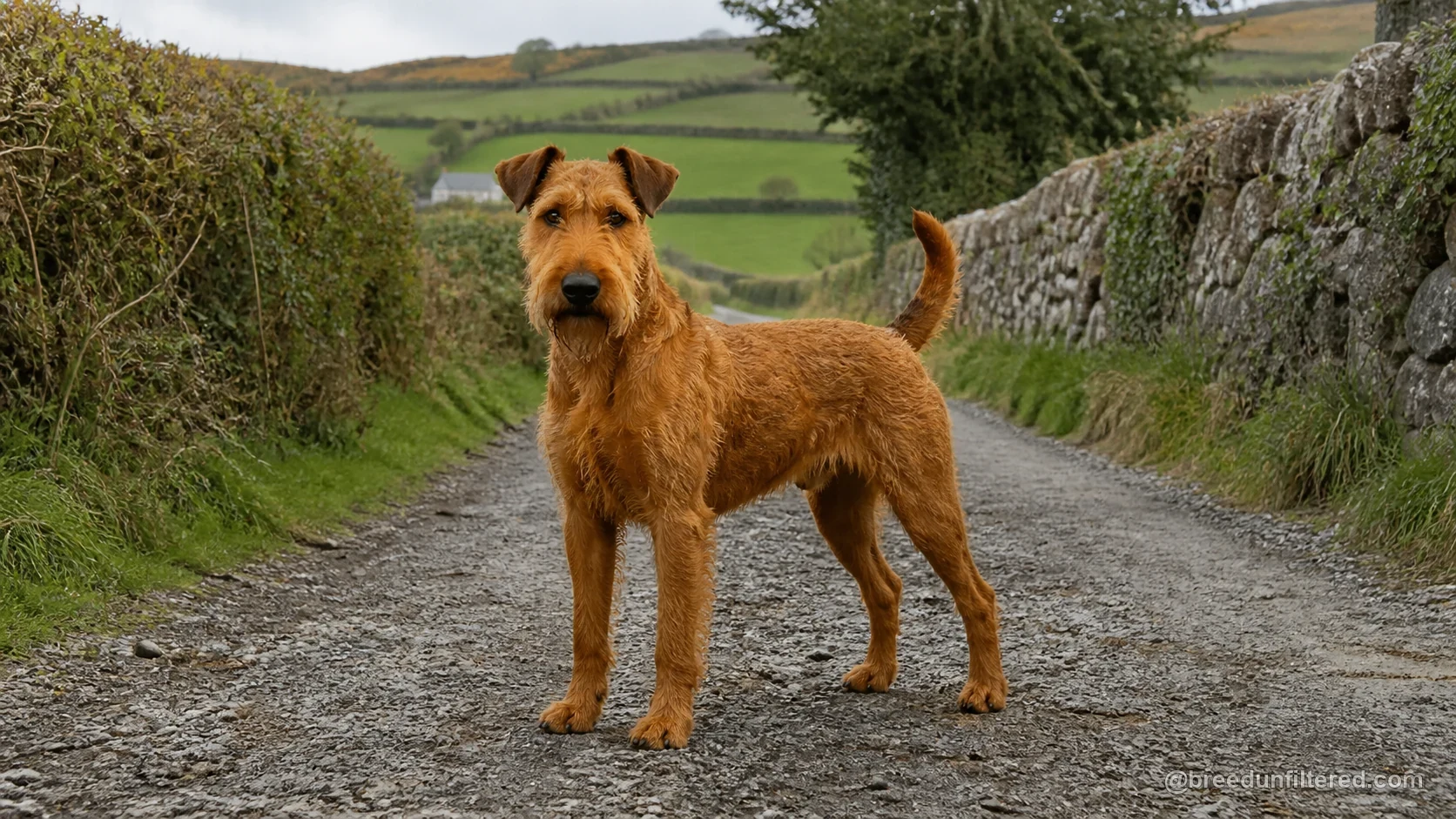
The Irish Terrier is one of Ireland's oldest native breeds, often described as the 'daredevil' of the terrier family. With a distinctive red coat and a bold, spirited personality, this medium-sized dog has been a loyal companion and working terrier for centuries. Known for their intelligence and courage, Irish Terriers are alert, energetic, and deeply devoted to their families, making them both charming and challenging companions.
Prospective owners should understand that the Irish Terrier is not a typical lapdog. They are active, independent thinkers with a strong prey drive and a protective nature. While they can be affectionate and playful, they require consistent training, ample exercise, and a secure environment. This guide aims to provide a balanced overview of the breed, helping you decide if an Irish Terrier is the right fit for your lifestyle.
Origin and Purpose
The Irish Terrier originated in Ireland, where it was bred as a versatile farm dog and vermin hunter. Historical records suggest the breed's ancestors were known in the country for centuries, with the modern Irish Terrier being developed in the 19th century. They were used to hunt rats, foxes, and other small game, and also served as loyal watchdogs and companions. Their courage and tenacity were highly valued, and they were even used as messengers during World War I.
The breed was officially recognized by the Irish Kennel Club in 1879, and the first standard was drawn up in the 1880s. The Irish Terrier is one of the oldest terrier breeds, and its distinctive red coat and wiry texture set it apart from other terriers. Today, they are primarily companion animals, but they still retain their working instincts and require an outlet for their energy and intelligence.
Temperament and Variation
Irish Terriers are known for their spirited and confident temperament. They are often described as 'soft and gentle' with their family, but they can be assertive and bold with strangers or other animals. They are intelligent and quick to learn, but they also have a stubborn streak that can make training a challenge. Individual dogs may vary in their sociability and energy levels, but the breed as a whole tends to be alert, curious, and protective.
While they are not typically aggressive, Irish Terriers have a strong guarding instinct and will bark to alert their family to anything unusual. They are generally good with children they are raised with, but their boisterous nature may be too much for very young kids. Early socialization is crucial to help them become well-adjusted adults, and they may not get along with other dogs of the same sex, especially if not properly introduced.
Exercise and Mental Work
Irish Terriers are high-energy dogs that require regular exercise to stay happy and healthy. They enjoy long walks, runs, and play sessions in a securely fenced yard. As a terrier, they have a strong prey drive and may chase small animals, so leash walking is recommended in unfenced areas. A minimum of an hour of exercise per day is often suggested, but individual needs may vary based on age and health.
Mental stimulation is equally important for this intelligent breed. Puzzle toys, obedience training, and interactive games can help keep their minds engaged. Without adequate mental and physical outlets, Irish Terriers may become bored and develop destructive behaviors such as digging or excessive barking. Owners should be prepared to provide a variety of activities to challenge their dog's sharp mind.
Training and Socialisation
Training an Irish Terrier requires patience, consistency, and a positive approach. They respond well to reward-based methods, but they can be sensitive to harsh corrections. Early obedience training is essential to establish leadership and prevent stubbornness from becoming a problem. Short, varied training sessions are more effective than long, repetitive ones, as the breed can become bored easily.
Socialisation is critical from a young age. Exposing your Irish Terrier to different people, environments, and other animals can help reduce their natural suspicion of strangers and prevent aggression towards other dogs. Puppy classes and regular outings can be beneficial. However, even with good socialisation, some Irish Terriers may retain a strong prey drive and a tendency to be territorial, so supervision is always recommended.
Family and Other Pets
Irish Terriers can make wonderful family dogs for active households. They are loyal and affectionate with their human pack, often forming a strong bond with one person. They are generally good with children, especially if raised with them, but their energetic play may be too rough for toddlers. It is important to teach children how to interact respectfully with the dog and to supervise interactions to prevent accidental injuries.
When it comes to other pets, Irish Terriers can be challenging. They have a high prey drive and may not be trustworthy with small animals like rabbits, guinea pigs, or cats. They may also be aggressive towards other dogs, particularly those of the same sex. Early socialisation can help, but it is not a guarantee. Prospective owners with existing pets should consider the breed's tendencies and be prepared for potential conflicts.
Grooming and Health
The Irish Terrier has a wiry, dense coat that requires regular grooming to keep it in good condition. They are considered a low-shedding breed, but they do need weekly brushing to remove dead hair and prevent matting. Hand-stripping is often recommended to maintain the coat's texture, though clipping is a simpler alternative for pet owners. Regular ear cleaning, nail trimming, and dental care are also part of the grooming routine.
As a breed, Irish Terriers are generally healthy, but like all dogs, they can be prone to certain conditions. These may include hip dysplasia, progressive retinal atrophy, and some skin allergies. Responsible breeders screen for these issues, and prospective owners should ask about health clearances. Regular veterinary check-ups and a balanced diet are essential to maintain their overall well-being. The average lifespan is around 13 to 15 years.
Costs and Responsibility
Owning an Irish Terrier involves significant financial and time commitments. The initial cost of a puppy from a reputable breeder can be substantial, and ongoing expenses include high-quality food, routine veterinary care, grooming supplies, and pet insurance. Additionally, their exercise and training needs require a considerable time investment. Prospective owners should be prepared for a long-term commitment of 13 to 15 years.
Responsible ownership also means providing a safe and stimulating environment. Irish Terriers are escape artists and can dig under fences, so secure fencing is a must. They are not well-suited to apartment living unless their exercise needs are met, and they thrive in homes with a yard. It is also important to consider local regulations regarding dog ownership, such as leash laws and licensing. Adopting from a rescue or shelter is another option, but it is essential to understand the dog's history and needs.
Clear answers
FREQUENTLY ASKED QUESTIONS
Are Irish Terriers good with children?
Irish Terriers can be good with children, especially when raised with them. They are playful and affectionate, but their high energy and boisterous nature may be too much for very young children. Supervision and teaching children how to interact respectfully are important to ensure positive experiences for both the dog and the child.
Do Irish Terriers shed a lot?
Irish Terriers are considered low-shedding dogs, but they do require regular grooming to manage their wiry coat. Weekly brushing and occasional hand-stripping or clipping are necessary to keep the coat healthy and reduce loose hair. They are not hypoallergenic, but their low-shedding nature may be suitable for some allergy sufferers.
How much exercise does an Irish Terrier need?
Irish Terriers are energetic dogs that need at least an hour of exercise daily, but individual needs vary. They enjoy walks, runs, and playtime in a secure yard. Mental stimulation is also crucial to prevent boredom. Without enough exercise, they may become restless and develop destructive behaviors.
Are Irish Terriers aggressive towards other dogs?
Irish Terriers can be aggressive towards other dogs, particularly those of the same sex. Early socialisation can help reduce this tendency, but it is not a guarantee. Owners should be cautious when introducing their Irish Terrier to new dogs and always supervise interactions. They may do best as the only dog in the household.
What is the lifespan of an Irish Terrier?
The average lifespan of an Irish Terrier is around 13 to 15 years. They are generally healthy, but like all breeds, they can be prone to certain health conditions such as hip dysplasia and progressive retinal atrophy. Regular veterinary care and a healthy lifestyle can help ensure a long, happy life.
Sources and further reading
Scores describe typical breed tendencies from 1 to 10. They are not a quality ranking or a prediction for an individual dog.
Size and presence4/10
CompactVery large
Physical strength5/10
LightExceptional
Energy level9/10
LowRelentless
Exercise demand9/10
ModestVery demanding
Mental work needed8/10
ModerateDaily job
Trainability5/10
ChallengingExceptional
Everyday manageability1/10
SpecialistStraightforward
First-time owner fit3/10
Poor fitGood fit
Family-life fit6/10
LimitedExcellent
Dog sociability4/10
SelectiveVery social
Prey drive10/10
LowVery high
Guarding tendency6/10
MinimalSerious
Independence10/10
Handler-focusedSelf-directed
Grooming demand4/10
LightHeavy
Apartment fit5/10
Poor fitGood fit