Complete breed guide
Field Spaniel OWNERSHIP GUIDE
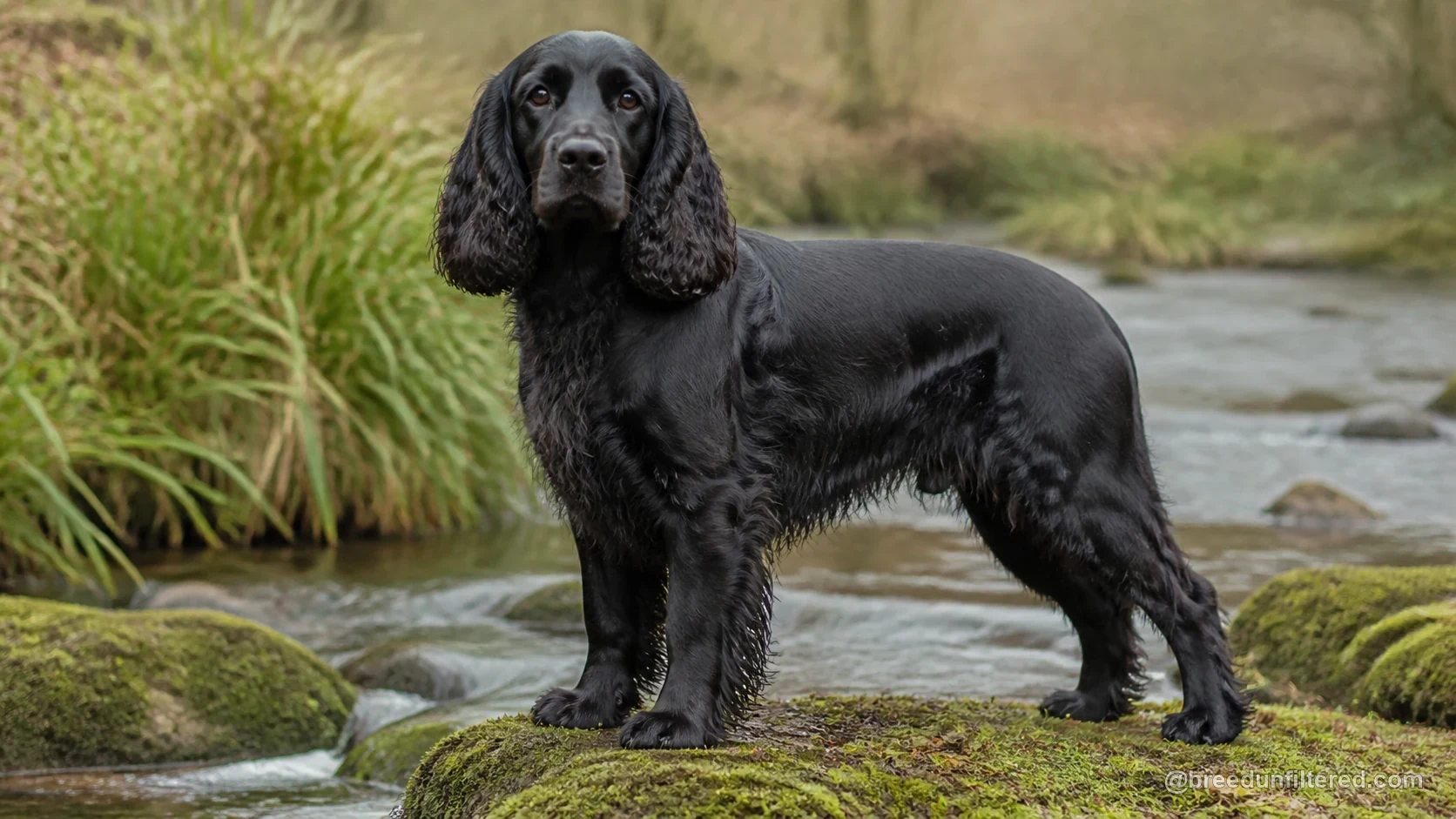
The Field Spaniel is a lesser-known but beloved member of the Spaniel family, recognized by the FCI under standard number 123. Originating in England, this breed was developed in the 19th century as a game finder and retriever, valued for its ability to work in dense cover and water. Today, the Field Spaniel is cherished as a versatile companion, known for its gentle and affectionate nature.
With a distinctive single-colored coat and a calm, dignified demeanor, the Field Spaniel stands out among its more boisterous relatives. While still capable in the field, it thrives in a home environment, forming strong bonds with its family. This article provides a comprehensive overview for prospective owners, covering the breed's origins, temperament, care requirements, and more, to help you decide if this elegant spaniel is the right fit for your lifestyle.
Origin and Purpose
The Field Spaniel originated in England in the mid-19th century, developed from the larger 'Field Spaniel' type of the time, which included the Cocker and Springer Spaniels. Breeders aimed to create a dog that was both a stylish show dog and a capable hunting companion, excelling in flushing and retrieving game. The breed's early history involved crosses with Sussex Spaniels and other breeds to achieve a specific look and working ability.
Over time, the Field Spaniel's popularity fluctuated, and at one point it was nearly extinct. However, dedicated enthusiasts revived the breed, focusing on health and temperament. Today, the Field Spaniel is recognized by major kennel clubs, including the FCI, and serves dual roles as a working gundog and a devoted family pet. Its versatility and gentle nature make it a unique and rewarding companion for those who appreciate its heritage.
Temperament and Variation
The Field Spaniel is known for its gentle, sensitive, and affectionate temperament. It is often described as a 'thinking' dog, displaying a calm and thoughtful demeanor. While individual personalities vary, the breed generally forms strong attachments to its family and can be somewhat reserved with strangers, making early socialization important. They are not typically aggressive but may be aloof until they feel comfortable.
Compared to other spaniels, the Field Spaniel tends to be more laid-back and less hyperactive, though it still retains a playful streak. They are known for their 'spaniel softness' – a willingness to please and a sensitivity to harsh correction. This makes them responsive to positive reinforcement but potentially fragile under pressure. Prospective owners should appreciate this gentle nature and provide a nurturing environment.
Exercise and Mental Work
The Field Spaniel has moderate exercise needs, requiring daily walks and opportunities to run and play in a safe area. As a sporting breed, it enjoys activities that engage its natural instincts, such as fetching, swimming, and scent work. However, it is not as demanding as some high-energy breeds and can adapt to a moderately active household. Regular exercise is essential to prevent boredom and maintain physical health.
Mental stimulation is equally important for this intelligent breed. Puzzle toys, obedience training, and interactive games can help keep their minds sharp. Field Spaniels excel in canine sports like rally, obedience, and even agility, which provide both physical and mental challenges. Without adequate mental engagement, they may become restless or develop undesirable behaviors. A balanced routine of exercise and mental work is key to a happy Field Spaniel.
Training and Socialisation
Training a Field Spaniel is generally a rewarding experience due to their eagerness to please and intelligence. They respond best to positive reinforcement techniques, such as treats, praise, and play. Harsh methods can damage their trust and hinder progress. Early and consistent training helps establish good manners and a strong bond between dog and owner. They are quick learners but may have a sensitive side, so patience is essential.
Socialisation from a young age is crucial to help the Field Spaniel become a well-adjusted adult. Exposing them to various people, animals, environments, and sounds reduces the likelihood of shyness or fearfulness. Puppy classes and regular outings can aid in this process. A well-socialised Field Spaniel is typically confident and friendly, making them a pleasure to have in social settings.
Family and Pets
The Field Spaniel is an excellent family dog, known for its gentle and patient nature with children. It thrives on human companionship and prefers to be involved in family activities. While it may not be as boisterous as some breeds, it is playful and enjoys being part of the household. Supervision with very young children is always recommended, as with any breed, to ensure respectful interactions.
With other pets, the Field Spaniel generally gets along well, especially if raised with them. Its hunting instinct may be triggered by small animals, but with proper socialisation, it can coexist peacefully with cats and other dogs. They are not typically aggressive and often enjoy the company of other canines. Early introductions and consistent training help foster harmonious relationships within a multi-pet household.
Grooming and Health
The Field Spaniel has a medium-length, silky coat that requires regular grooming to prevent mats and tangles. Weekly brushing is usually sufficient, with more frequent attention during shedding seasons. They are moderate shedders, and occasional trimming around the ears, feet, and tail may be needed. Regular ear checks are important due to their floppy ears, which can trap moisture and debris.
As with many purebred dogs, the Field Spaniel is prone to certain health conditions, including hip dysplasia, eye disorders, and ear infections. Responsible breeders screen for these issues, and prospective owners should ask for health clearances. Regular veterinary check-ups, a balanced diet, and proper exercise contribute to overall well-being. While the breed has a lifespan of around 10-12 years, individual health varies.
Costs and Responsibility
Owning a Field Spaniel involves financial and time commitments. Initial costs include the purchase price from a reputable breeder, which can vary, as well as supplies like a crate, bedding, and food. Ongoing expenses include high-quality dog food, routine veterinary care, vaccinations, and preventive medications. Grooming supplies or professional grooming services add to the budget, and pet insurance is worth considering.
Beyond finances, responsible ownership requires a significant investment of time and energy. Field Spaniels need daily exercise, mental stimulation, and companionship. They are not suited to being left alone for long periods and thrive in homes where someone is often present. Prospective owners should assess their lifestyle to ensure they can meet the breed's needs, providing a loving and stable environment for many years.
Clear answers
FREQUENTLY ASKED QUESTIONS
Are Field Spaniels good with children?
Yes, Field Spaniels are generally gentle and patient with children, making them good family dogs. They enjoy playing and being part of family activities. However, as with any breed, interactions should be supervised, especially with very young children, to ensure both the dog and child are safe and respectful.
How much exercise does a Field Spaniel need?
Field Spaniels have moderate exercise needs. They require daily walks and opportunities to run and play in a secure area. Activities like fetching, swimming, and scent work are excellent. While they are not as high-energy as some sporting breeds, they still need regular physical and mental stimulation to stay happy and healthy.
Are Field Spaniels easy to train?
Field Spaniels are intelligent and eager to please, making them generally responsive to training. They do best with positive reinforcement methods, such as treats and praise. Harsh corrections can be counterproductive due to their sensitive nature. Early socialisation and consistent, gentle training will yield the best results.
Do Field Spaniels shed a lot?
Field Spaniels are moderate shedders. They have a medium-length, silky coat that requires regular brushing to remove loose hair and prevent mats. During shedding seasons, more frequent brushing may be needed. Overall, they are not heavy shedders compared to some breeds, but grooming is a necessary part of their care.
What health issues are common in Field Spaniels?
Field Spaniels may be prone to certain health conditions, including hip dysplasia, eye disorders, and ear infections. Responsible breeders screen for these issues, and regular veterinary check-ups are important. Maintaining a healthy diet and exercise routine can help mitigate some risks. Always ask breeders for health clearances.
Sources and further reading
Scores describe typical breed tendencies from 1 to 10. They are not a quality ranking or a prediction for an individual dog.
Size and presence6/10
CompactVery large
Physical strength6/10
LightExceptional
Energy level9/10
LowRelentless
Exercise demand9/10
ModestVery demanding
Mental work needed8/10
ModerateDaily job
Trainability9/10
ChallengingExceptional
Everyday manageability6/10
SpecialistStraightforward
First-time owner fit6/10
Poor fitGood fit
Family-life fit10/10
LimitedExcellent
Dog sociability8/10
SelectiveVery social
Prey drive7/10
LowVery high
Guarding tendency3/10
MinimalSerious
Independence4/10
Handler-focusedSelf-directed
Grooming demand9/10
LightHeavy
Apartment fit5/10
Poor fitGood fit