Complete breed guide
Burgos Pointing Dog OWNERSHIP GUIDE
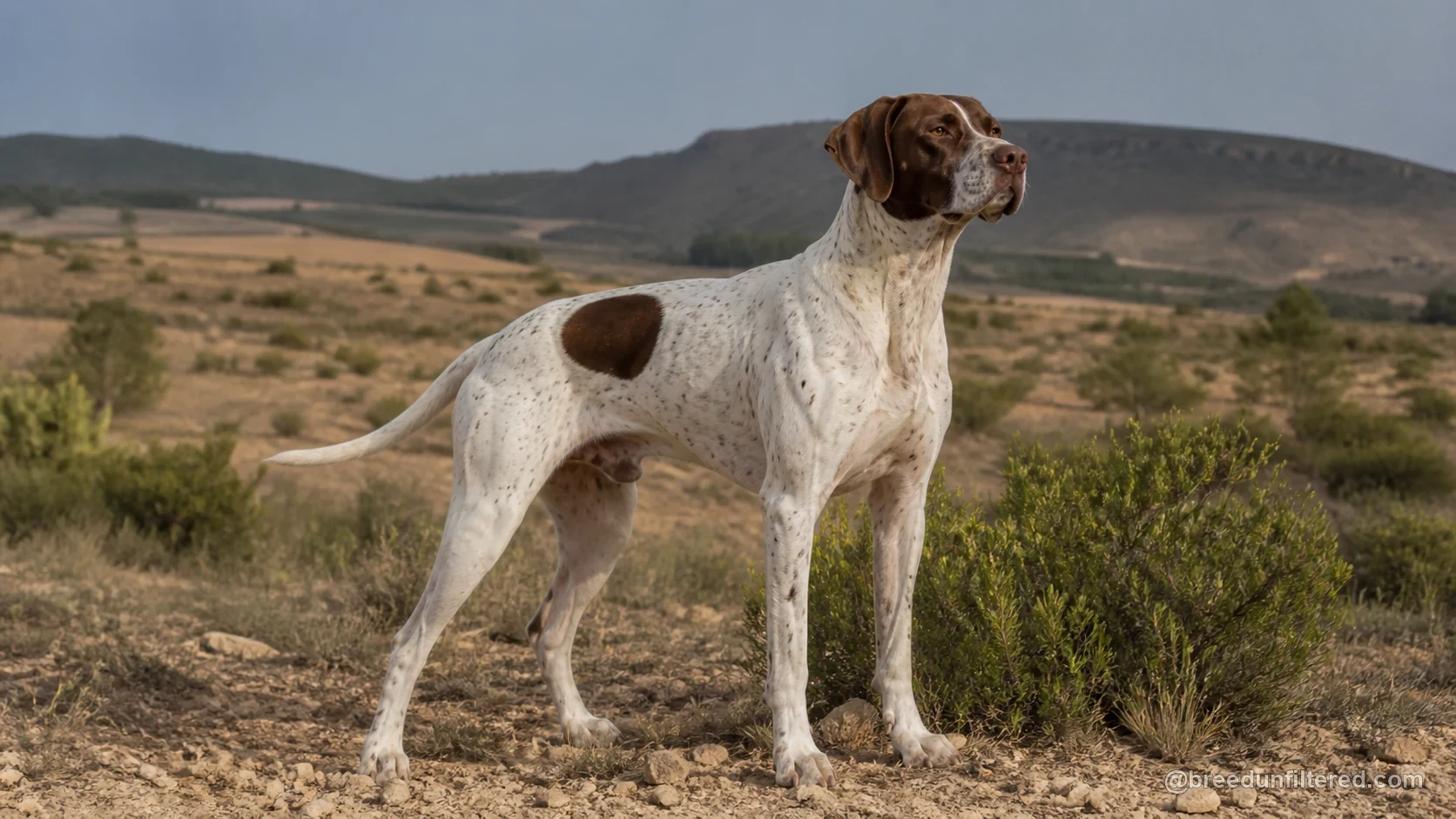
The Burgos Pointing Dog, or Perdiguero de Burgos, is a Spanish hunting breed with deep roots in the Iberian Peninsula. Recognized definitively by the Fédération Cynologique Internationale (FCI) in Group 7, this dog was developed to work as a pointing and retrieving gundog, particularly suited to the rugged terrain and thick cover of its native region. Its name pays homage to the city of Burgos in northern Spain, where the breed has been prized for centuries for its exceptional nose and tireless work ethic.
Today, the Burgos Pointing Dog remains primarily a working companion for hunters, but its calm, affectionate nature has also earned it a place in some homes as a loyal family pet. Prospective owners should understand that this is a large, athletic breed with significant exercise needs and a strong instinct to hunt. While not a common choice for first-time dog owners, those who can provide ample physical and mental stimulation may find a devoted and versatile partner in this Spanish pointer.
Origin and Purpose
The Burgos Pointing Dog is one of the oldest Spanish pointing breeds, with references dating back to the 16th century. It is believed to have descended from the now-extinct Old Spanish Pointer, crossed with other local hounds and possibly the Bloodhound, giving it a keen nose and a sturdy build. The breed was developed to work in the harsh, dry landscapes of Castilla y León, where it would hunt partridge, rabbit, and other game, pointing and retrieving with remarkable efficiency.
The FCI recognized the breed definitively in the 20th century, and today it is still used extensively by Spanish hunters. Its purpose remains primarily functional: to locate game, hold a point, and retrieve on command. This working heritage shapes the breed's temperament and physical needs, making it essential for owners to appreciate its drive and stamina. While it can adapt to family life, its instincts are deeply ingrained, and it thrives when given a job to do.
Temperament and Variation
The Burgos Pointing Dog is generally described as calm, loyal, and even-tempered, especially when compared to some other pointing breeds. It tends to form strong bonds with its family and is often gentle with children. However, like any breed, individual temperament can vary based on genetics, socialization, and training. Some lines may be more energetic or reserved, so it is important to meet the parents or spend time with the dog before committing.
This breed is known for its persistence and determination in the field, but at home it often settles into a relaxed demeanor. It is not typically aggressive, but it can be wary of strangers, making early socialization crucial. Its hunting instinct is strong, and it may be less tolerant of other small animals, though this can be managed with training. Overall, the Burgos Pointing Dog is a versatile companion that can be both an enthusiastic worker and a quiet household member.
Exercise and Mental Work
As a sporting breed, the Burgos Pointing Dog has substantial exercise requirements. It is not a dog that thrives on a short walk around the block; it needs daily opportunities to run, explore, and use its nose. Activities such as hiking, jogging, or off-lead running in a secure area are ideal. Without adequate physical activity, this breed may become restless and develop behavioral issues, such as excessive barking or digging.
Mental stimulation is equally important. The Burgos Pointing Dog is intelligent and enjoys problem-solving, so puzzle toys, scent games, and training sessions that challenge its mind are beneficial. Engaging in activities that mimic hunting, such as retrieving or tracking, can be particularly satisfying. Owners should be prepared to dedicate at least an hour or more each day to exercise and mental enrichment, adjusting based on the dog's age and health.
Training and Socialisation
Training a Burgos Pointing Dog requires patience, consistency, and positive reinforcement. This breed is eager to please but can be somewhat independent, so a firm yet gentle approach works best. Harsh methods are counterproductive and can damage the trust between dog and owner. Early obedience training is essential, as is teaching a reliable recall, given the breed's strong hunting instincts.
Socialisation from a young age is critical to help the Burgos Pointing Dog become a well-adjusted adult. Exposing it to various people, animals, environments, and sounds can reduce the likelihood of fearfulness or aggression. Puppy classes and controlled introductions to other dogs are recommended. With proper socialisation, this breed can coexist peacefully with other dogs, though its prey drive may make it unsuitable for homes with small pets like cats or rabbits.
Family and Pets
The Burgos Pointing Dog can make a devoted family companion, especially in households that lead an active lifestyle. It is typically patient and gentle with children, though supervision is always advised, as with any large breed. Its size and energy mean it could accidentally knock over small toddlers, so teaching children how to interact respectfully with dogs is important.
When it comes to other pets, the Burgos Pointing Dog's hunting background can be a challenge. It may view smaller animals as prey, and its tolerance for other dogs varies. With early and ongoing socialisation, it can learn to live with other dogs, but caution is needed with non-canine pets. Prospective owners should assess their household dynamics and be prepared to manage the dog's instincts through training and management.
Grooming and Health
Grooming the Burgos Pointing Dog is relatively straightforward. Its short, dense coat requires weekly brushing to remove loose hair and keep it healthy. During shedding seasons, more frequent brushing may be necessary. This breed is not a heavy shedder, but it does shed moderately. Bathing should be done only when needed to avoid stripping natural oils. Regular ear checks, nail trims, and dental care are also part of routine maintenance.
As with many purebred dogs, the Burgos Pointing Dog may be prone to certain health conditions, though the breed is generally robust. Potential issues include hip dysplasia, ear infections, and bloat, a serious stomach condition. Responsible breeders screen for hereditary problems, and owners should maintain regular veterinary check-ups. A balanced diet and appropriate exercise can help support overall health, but there are no guarantees, so prospective owners should be prepared for potential medical costs.
Costs and Responsibility
Owning a Burgos Pointing Dog involves significant financial and time commitments. Initial costs include the purchase price from a reputable breeder, which can vary, as well as supplies such as a crate, bedding, and food. Ongoing expenses include high-quality dog food, routine veterinary care, vaccinations, and preventive medications. Emergency medical care can be costly, so pet insurance is worth considering.
Beyond finances, this breed requires a dedicated owner who can meet its exercise and mental needs. It is not suited to apartment living unless the owner is exceptionally committed to providing ample outdoor activity. The Burgos Pointing Dog thrives in a home with a secure yard and access to open spaces. Prospective owners should honestly assess their lifestyle and ability to provide a fulfilling life for this active, intelligent dog before making a commitment.
Clear answers
FREQUENTLY ASKED QUESTIONS
Is the Burgos Pointing Dog good with children?
The Burgos Pointing Dog is generally known for its calm and gentle nature, and it can be good with children when properly socialized and supervised. However, due to its large size and energetic nature, it may accidentally knock over small children. Teaching children how to interact respectfully with the dog and always supervising interactions is essential.
How much exercise does a Burgos Pointing Dog need?
As a sporting breed, the Burgos Pointing Dog requires substantial daily exercise. This includes opportunities to run and explore, such as long walks, hikes, or off-lead time in a secure area. Mental stimulation is also important. Owners should be prepared to provide at least an hour of vigorous activity each day, though individual needs may vary.
Is the Burgos Pointing Dog easy to train?
The Burgos Pointing Dog is intelligent and eager to please, but it can also be somewhat independent. Training is most effective with positive reinforcement and consistency. Early obedience training and socialization are crucial. While not the easiest breed for a novice, a patient owner can achieve good results.
Does the Burgos Pointing Dog get along with other pets?
Due to its hunting background, the Burgos Pointing Dog may have a strong prey drive and may not be reliable with small animals like cats or rabbits. It can often get along with other dogs, especially if socialized from a young age, but supervision and careful introductions are recommended.
What are the grooming requirements for a Burgos Pointing Dog?
The Burgos Pointing Dog has a short, dense coat that requires minimal grooming. Weekly brushing to remove loose hair is usually sufficient, with more frequent brushing during shedding seasons. Regular ear cleaning, nail trimming, and dental care are also important to maintain overall health.
Sources and further reading
Scores describe typical breed tendencies from 1 to 10. They are not a quality ranking or a prediction for an individual dog.
Size and presence6/10
CompactVery large
Physical strength6/10
LightExceptional
Energy level8/10
LowRelentless
Exercise demand10/10
ModestVery demanding
Mental work needed8/10
ModerateDaily job
Trainability9/10
ChallengingExceptional
Everyday manageability5/10
SpecialistStraightforward
First-time owner fit5/10
Poor fitGood fit
Family-life fit9/10
LimitedExcellent
Dog sociability8/10
SelectiveVery social
Prey drive10/10
LowVery high
Guarding tendency3/10
MinimalSerious
Independence4/10
Handler-focusedSelf-directed
Grooming demand2/10
LightHeavy
Apartment fit5/10
Poor fitGood fit